How to choose a saw machine for metalworking operations
What a saw machine does in a metalworking shop
A saw machine is often the first controlled cutting step in a metalworking workflow. It converts bar stock, tube, plate, extrusion, or structural material into blanks for machining, welding, heat treatment, assembly, or finishing. The right choice is not simply the machine with the largest capacity or the fastest advertised cutting speed. Buyers need to match the saw type, blade, feed system, clamping, guarding, coolant, chip handling, and automation level to the material mix and production rhythm.
For many shops, the practical comparison starts with four options: a horizontal band saw, a vertical band saw, a circular cold saw, or a more automated CNC sawing system. This guide focuses on industrial metal cutting rather than portable woodworking or construction saws. It is intended for engineers, shop supervisors, purchasing teams, and readers following the machine tools category who need a structured way to compare saw machine options beyond catalog claims.
Main saw machine types and where they fit
Most production sawing decisions begin with the shape and size of the workpiece. A shop cutting mixed steel bars throughout the day has different needs from a fabrication department cutting mitred structural sections, or a toolroom trimming small lots of nonferrous material. The categories below cover the main industrial options.
Horizontal band saws
A horizontal band saw uses a continuous toothed blade running around wheels while the saw head feeds through the workpiece. This design is widely used for cutting round bar, square bar, rectangular stock, bundles, tubing, and structural sections. It is usually a strong choice when a shop needs a broad cutting range, manageable kerf loss, and relatively economical blade cost.
Horizontal band saws are available as manual, semi-automatic, and automatic machines. Manual machines may suit maintenance work and low-volume jobs. Semi-automatic models typically automate clamping, cutting, and saw-head return while the operator loads and positions the material. Automatic machines add programmable feeding and repeated cut cycles, making them more suitable for batch production.
Vertical band saws
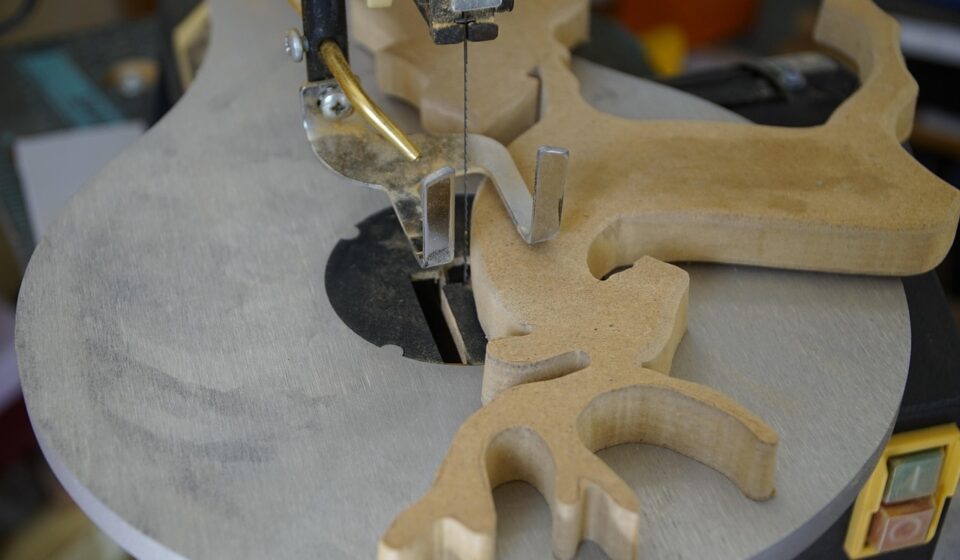
A vertical band saw keeps the blade running vertically while the operator or feeding system moves the material. In metalworking, vertical saws are often used for contour cutting, trimming, notching, and toolroom work where flexibility matters more than repetitive straight cutting. They can be useful for plates, irregular shapes, and one-off jobs, but they are not always the most efficient option for repeated cut-off work on bar stock.
Circular cold saws
A circular cold saw uses a rigid circular blade at controlled speed and feed to cut metal while transferring heat into the chip rather than the workpiece. Cold saws are valued for square cuts, good surface finish, and burr control on suitable materials and cross sections. They are often considered when downstream machining allowance must be reduced or when repeatability is more important than maximum cutting envelope.
The trade-off is that circular cold saws may have narrower application windows than band saws. Blade selection, tooth geometry, workpiece clamping, and coolant delivery become especially important. For large solid sections or frequently changing stock sizes, a band saw may still be more practical.
Abrasive cut-off saws
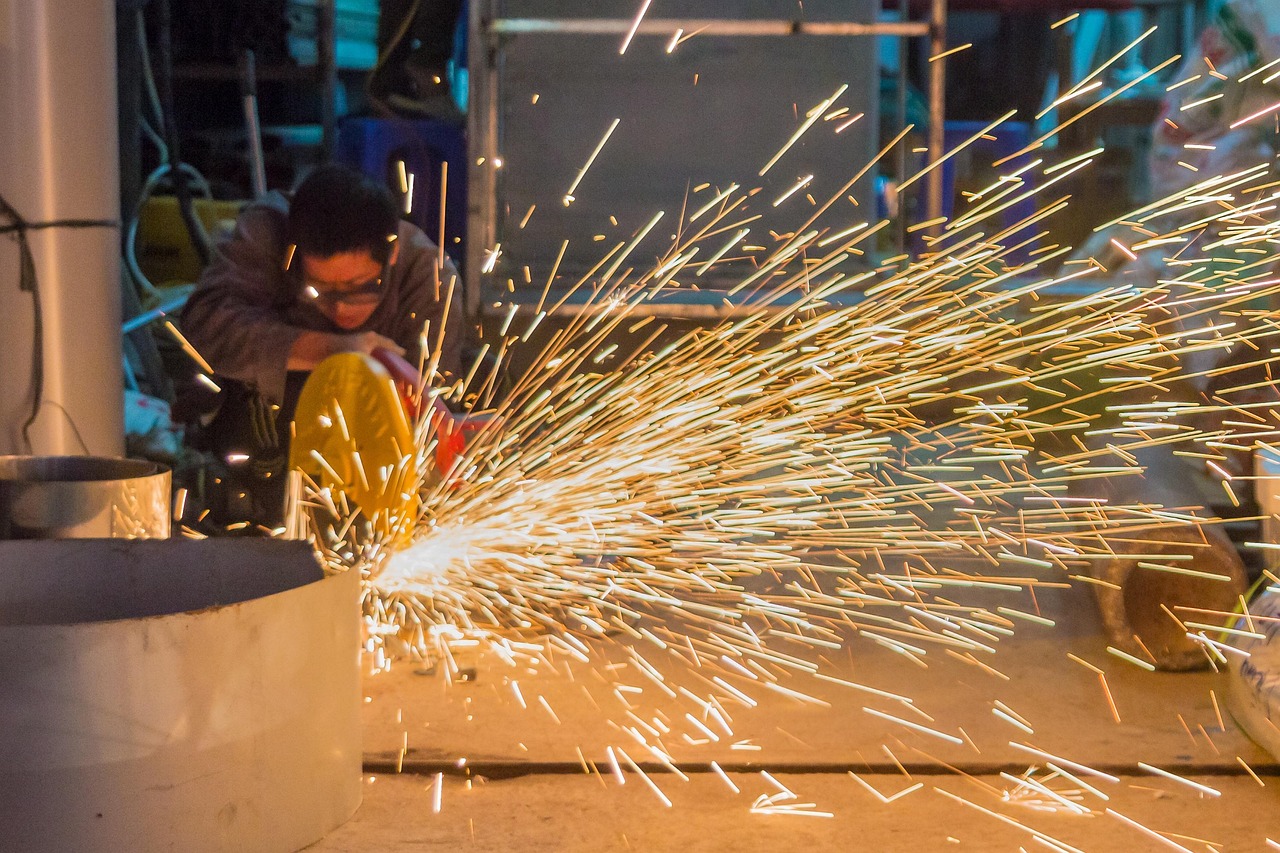
Abrasive cut-off saws remove material with an abrasive wheel rather than a toothed blade. They can be useful for certain hard materials, quick rough cuts, or shop environments where cut finish is less critical. However, they often generate more heat, sparks, dust, wheel wear, and burr than cold sawing. For production metalworking, they should be evaluated against safety, housekeeping, wheel consumption, and downstream finishing requirements.
CNC and automatic sawing systems
CNC saw machines add programmable length control, material feeding, cutting recipes, angle positioning, and sometimes integration with loading tables, outfeed systems, marking, or sorting. They are most valuable when a shop repeats part families, tracks jobs digitally, or needs consistent output across shifts. Automation does not remove the need for skilled setup. It shifts the skill requirement toward programming, blade selection, preventive maintenance, and process control.
Selection factors that matter more than catalog capacity
Catalog capacity is important, but it is only one part of the buying decision. A saw machine that can technically accept a large workpiece may still perform poorly if the vise cannot hold the material rigidly, the blade path is unstable, or chip evacuation is inadequate.
Material type and cross section
Start by listing the materials that will actually be cut: carbon steel, stainless steel, tool steel, aluminum, copper alloys, nickel alloys, castings, extrusions, or mixed bundles. Then document the usual and maximum cross sections. Solid rounds, thin-wall tube, heavy-wall pipe, I-beams, angles, and flat bars all behave differently under the blade.
For example, thin-wall tube may require a finer tooth pitch and careful clamping to prevent tooth stripping or deformation. Large solid bars may need slower blade speed, higher feed control, and a machine frame rigid enough to maintain straightness. Aluminum may permit higher blade speed, but it can create chip-loading problems if tooth form and coolant are not selected correctly.
Cut accuracy and downstream allowance
A saw used only for rough stock preparation can tolerate more variation than a saw feeding near-net-shape blanks to a machining cell. If the next operation is CNC turning or milling, excessive length variation increases facing time and material waste. If the cut face becomes a weld preparation surface or a visible end surface, squareness and burr control become more important.
When comparing machines, ask for realistic tolerance information based on material size, blade type, and feed conditions. A single accuracy figure in a brochure may not describe performance across the full work envelope.
Blade, kerf, and consumable cost
Consumables can change the economics of sawing. Band saw blades generally remove a narrow kerf and can be cost-effective for many materials, but blade life depends heavily on break-in, tooth pitch, tension, coolant, feed rate, and operator practice. Circular blades can produce excellent cuts, but sharpening, replacement, and material compatibility must be included in the cost model. Abrasive wheels may have a lower purchase price per wheel, yet they can add cleanup, heat, and finishing costs.
A practical estimate should include blade cost per cut, expected scrap from kerf, rework caused by poor cut quality, machine downtime for blade changes, and the amount of operator attention required during cutting.
Clamping and material handling
Many sawing problems begin with unstable material. A vise that works for short solid bars may not control long tubes or structural profiles. If the workpiece vibrates, twists, or lifts during cutting, the blade may wander, teeth may chip, and the cut face may become inconsistent.
For production use, review vise opening, clamping force, floating vises, top clamps, bundle clamps, support rollers, infeed tables, outfeed measuring systems, and remnant handling. Material handling is not a secondary accessory issue. It often determines whether the saw can reach its expected output safely.
Coolant, chips, and housekeeping
Metal sawing creates chips, heat, and sometimes mist or sparks. Coolant delivery helps carry heat away, lubricate the blade, and evacuate chips from the cut. Chip conveyors, brush systems, removable pans, and easy-clean guarding reduce unplanned stoppages. If chips pack into the kerf or collect around the blade, cutting performance and blade life can fall quickly.
Dry cutting may be appropriate in some applications, but it should be evaluated based on blade design, material, heat control, and workplace conditions. For most metalworking operations, coolant and chip management deserve the same attention as motor power. See also: buying guides.
Safety and compliance should be part of machine selection
Industrial saws combine sharp tooling, moving stock, rotating wheels, pinch points, hydraulic motion, flying chips, and stored energy. Safety should be assessed before purchase, not treated as a retrofit after installation.
In the United States, OSHA 29 CFR 1910.212 sets general requirements for machine guarding and identifies hazards such as the point of operation, rotating parts, flying chips, and sparks. OSHA guidance also describes point-of-operation guarding as protection for the area where work is performed on the material. For metal sawing machines, ANSI B11.10 addresses safety requirements for construction, care, and use, while ANSI B11.19 covers performance requirements for risk reduction measures such as guards and safety devices. Internationally, ISO 16093:2017 addresses safety for sawing machines used for cold metal cutting.
These references should not replace a site-specific risk assessment, but they give buyers a useful checklist. Important questions include:
- Are blade wheels, pulleys, belts, and non-working blade sections enclosed or guarded?
- Can the operator load, clamp, cut, and remove material without entering the danger zone?
- Are emergency stop devices reachable from normal operating positions?
- Does the machine prevent unexpected restart after power interruption?
- Are interlocked guards, covers, and access panels appropriate for the hazard level?
- Can blades be changed and maintenance performed under controlled energy isolation?
- Do chip guards and splash guards protect nearby workers as well as the primary operator?
Older saws can remain productive, but age does not remove the need for guarding, training, inspection, and maintenance. A low purchase price can become expensive if the machine requires extensive safety upgrades before it can be used responsibly.
Manual, semi-automatic, or CNC saw machine
The right automation level depends on volume, part variety, labor availability, and the cost of errors. A manual saw can be economical when jobs are infrequent, dimensions change constantly, and an experienced operator is available. It may be a poor fit when the same lengths are cut repeatedly and operators spend too much time measuring, positioning, and waiting for the cut to finish.
A semi-automatic saw is often a balanced step for small and medium shops. It reduces repetitive manual actions while keeping setup flexible. Automatic feed systems become more attractive when batch sizes are large enough to justify programming and when material length control reduces scrap.
CNC saws should be considered when the saw becomes a production cell rather than a support tool. Benefits may include recipe storage, length repeatability, angle control, job sequencing, and reduced manual measuring. Limitations include higher initial cost, more complex maintenance, and the need for disciplined data entry. A CNC machine will not compensate for poor blade choice, weak clamping, or inconsistent material support.
A practical comparison table for buyers
| Application need | Likely suitable saw machine | Key buying checks |
|---|---|---|
| General bar stock and mixed metal cutting | Horizontal band saw | Capacity, blade tension, vise design, coolant flow, chip removal |
| Contour cuts, trimming, toolroom work | Vertical band saw | Table size, blade guide adjustment, operator visibility, guarding |
| Accurate short parts with good finish | Circular cold saw | Blade specification, clamping rigidity, coolant delivery, burr control |
| Repeated cut lengths in batches | Automatic or CNC band saw | Feed accuracy, program storage, remnant handling, loading support |
| Rough cutting where finish is less critical | Abrasive cut-off saw | Spark control, wheel guarding, dust management, heat-affected edges |
This table is a starting point, not a final specification. The best result comes from testing the actual material or, at minimum, reviewing sample cuts made under realistic conditions.
Total cost of ownership and installation checks
The purchase price of a saw machine is only part of the investment. Buyers should also consider floor space, power supply, coolant consumption, blade inventory, handling equipment, operator training, preventive maintenance, spare parts, and downtime risk. A machine that reduces cut time but requires constant adjustment may not improve throughput.
Before installation, confirm the foundation or floor loading, material flow, access for forklifts or cranes, chip disposal route, coolant storage, lighting, and clearance around moving parts. Long bars and tubes can create hazards beyond the footprint of the saw itself, especially on the infeed and outfeed sides.
Maintenance planning should include blade guide inspection, wheel condition, blade brush replacement, hydraulic system checks, coolant concentration, vise alignment, feed calibration, and guard inspection. Operators should know the signs of blade wear, incorrect tooth pitch, poor coolant delivery, and unstable clamping. These routine details often determine whether a saw keeps cutting accurately after the first few months of use.
Frequently asked questions
What is the difference between a band saw and a circular cold saw?
A band saw uses a continuous flexible blade and is generally versatile for many stock sizes and shapes. A circular cold saw uses a rigid circular blade and is often selected when square cuts, finish, and repeatability are priorities. The better choice depends on material, section size, accuracy needs, and production volume.
Is a CNC saw machine always better than a manual saw?
No. A CNC saw can improve repeatability and reduce manual measuring in batch production, but it costs more and requires proper setup, programming, and maintenance. For repair work, one-off jobs, or highly variable cutting, a manual or semi-automatic saw may be more practical.
Which safety standards are relevant to metal sawing machines?
Common references include OSHA 29 CFR 1910.212 for general machine guarding in U.S. workplaces, ANSI B11.10 for metal sawing machines, ANSI B11.19 for safeguarding and risk reduction measures, and ISO 16093:2017 for cold metal sawing machine safety. The applicable requirements depend on jurisdiction, machine design, and site conditions.
How can a shop reduce blade failure?
Blade life improves when tooth pitch, blade speed, feed pressure, tension, break-in procedure, coolant, and clamping are matched to the workpiece. Many failures trace back to vibration, incorrect setup, chip packing, excessive feed, or cutting material that is not supported properly.
What should be checked before buying a used saw machine?
Inspect guarding, blade guides, wheels, bearings, hydraulic motion, vise alignment, electrical controls, emergency stops, coolant system, and signs of frame damage. A used machine should also be reviewed for current guarding expectations and safe maintenance access before it enters production.
Conclusion
Choosing a saw machine is a process decision, not just a machine purchase. A strong specification starts with real material data, required cut quality, production volume, handling method, safety expectations, and the cost of consumables. Horizontal band saws remain versatile for many metalworking shops, vertical band saws provide flexible contour capability, circular cold saws can deliver clean and accurate cuts in the right applications, and CNC systems add value when repeated production justifies automation.
The most reliable buying approach is to compare machines against actual cutting tasks, not ideal catalog conditions. When capacity, clamping, blade selection, guarding, chip control, and maintenance access are considered together, a saw machine becomes a stable front-end process that supports the rest of the manufacturing workflow.