Garden maintenance tips for healthier plants and longer-lasting tools
Garden maintenance tips are most useful when they help prevent problems, not just react to them. A productive, safe outdoor space depends on timing, observation, clean tools, healthy soil, and small weekly tasks that keep minor issues from becoming larger repairs or plant losses.
For homeowners, groundskeepers, and anyone responsible for outdoor areas, the most reliable approach is a repeatable routine: check plants, inspect soil moisture, remove weeds before they seed, prune with sharp tools, clean equipment after use, and adjust work as weather and growth conditions change. This guide focuses on practical maintenance methods that support plant health while also protecting the hand tools, mechanical tools, and small machines used in regular garden care.
For more upkeep-focused guides, see the maintenance tips section.
Start with a weekly garden inspection
The most useful maintenance habit is a simple inspection. Many garden problems become expensive or time-consuming because they are noticed too late. A weekly walk-through helps identify dry soil, pest activity, damaged stems, clogged irrigation outlets, unstable supports, dull blades, and early weed growth before these issues spread across the garden.
A good inspection does not need to be complicated. Look at leaves, stems, the soil surface, mulch depth, plant spacing, paths, and edging. Focus on changes rather than perfection. Yellowing leaves, wilting during the hottest part of the day, standing water, powdery leaf coatings, and chewing marks all point to different possible causes. Not every symptom needs immediate chemical treatment; many issues are improved first by adjusting watering, airflow, sanitation, or pruning.
Inspect tools during the same routine. A loose mower blade, cracked hose fitting, rusting pruner spring, or frayed trimmer line can slow the work and create safety risks. Garden care and tool care are connected: clean, sharp, well-adjusted equipment makes better cuts, reduces plant damage, and saves time.
Water by soil condition, not by habit
Watering is one of the most common areas where gardeners overcorrect. A fixed schedule may be convenient, but plants respond to soil moisture, temperature, wind, plant size, root depth, and rainfall. A better rule is to water when the root zone needs moisture, not simply because the calendar says it is watering day.
Before watering, check the soil a few inches below the surface. If it is still moist, waiting may be better than adding more water. If it is dry and crumbly at root depth, water slowly enough for moisture to soak in instead of running off. Early morning is often practical because evaporation is lower than in midday heat, and any wet foliage has time to dry during the day.
For gardens using hoses, sprinklers, or drip lines, equipment maintenance matters. Check for leaks, clogged emitters, kinked hoses, and uneven spray coverage. A small leak at a fitting can waste water and create soggy patches that stress roots. Clogged drip outlets can leave one plant dry while nearby soil appears wet. At least once during the growing season, run the system while observing it closely instead of assuming it works as intended.
Practical watering checks
- Use a finger test, trowel, or soil probe to confirm moisture below the surface.
- Water deeply when needed instead of applying frequent shallow sprays.
- Group containers by water demand when possible.
- Inspect hose washers and connectors for leaks.
- Clear debris from drip emitters, watering wands, and sprinkler heads.
Keep soil covered and active
Healthy soil makes garden maintenance easier. Soil that is compacted, bare, or low in organic matter usually needs more watering, more weeding, and more corrective work. Soil protected with mulch and improved with compost tends to hold moisture more evenly and support stronger root systems.
Mulch is one of the simplest maintenance tools. It helps reduce weed pressure, moderates surface temperature, limits soil splash onto leaves, and slows moisture loss. Organic mulch breaks down over time, so refresh it when it becomes thin or heavily mixed with soil. Avoid piling mulch directly against trunks or stems, because constant moisture around the base of a plant can create problems.
Compost is best treated as steady soil improvement rather than a quick rescue product. Adding finished compost to beds can improve structure and help soil manage moisture. In vegetable gardens and annual beds, working compost into the top layer before planting is common. Around established plants, a surface layer can be added carefully without damaging roots.
Compaction deserves attention in high-traffic gardens. Repeated walking, wheelbarrow movement, and equipment use can compress soil, limiting air and water movement. Defined paths, stepping stones, and wider access lanes reduce the need to step into growing areas. For maintained landscapes, this is also a workflow issue: good access protects both soil and equipment.
Prune with clean, sharp tools
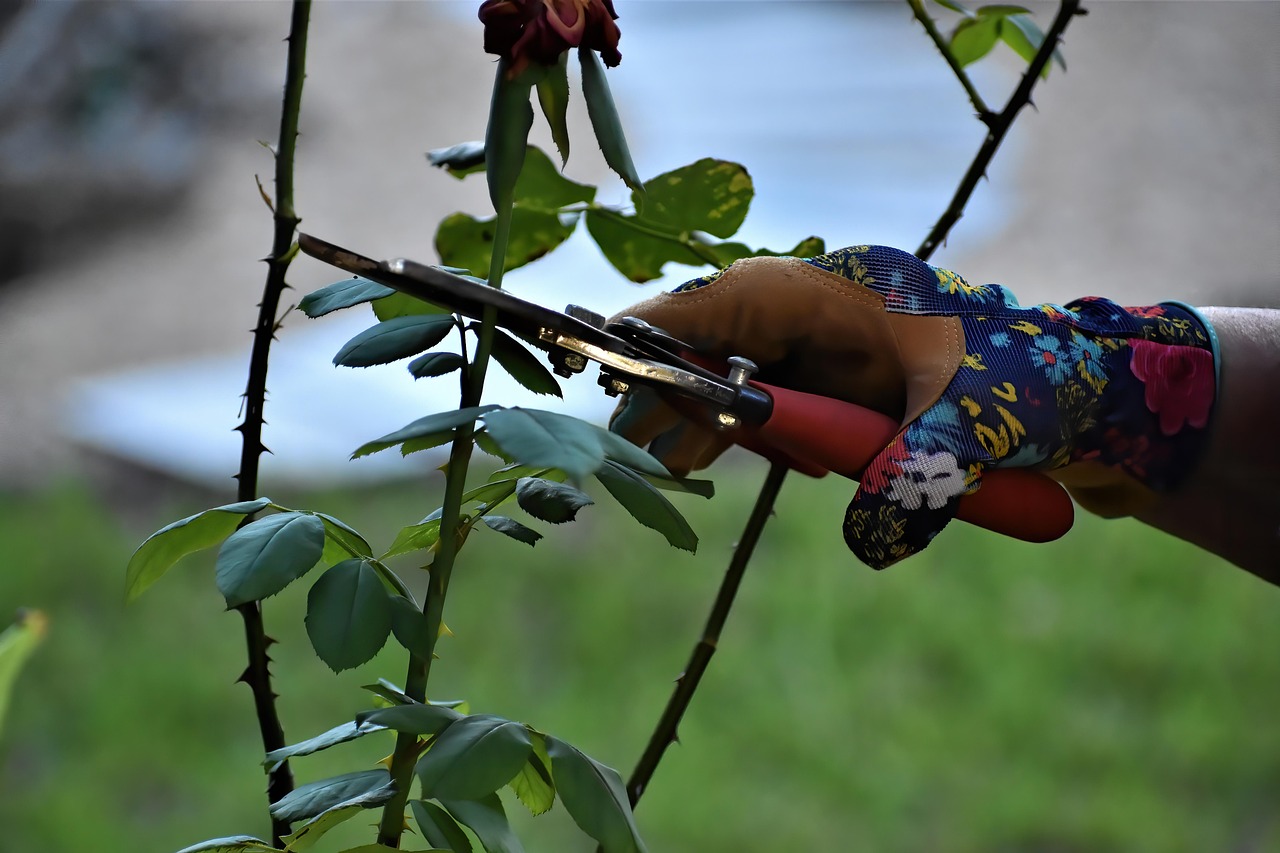
Pruning is maintenance, not just shaping. Removing dead, damaged, crossing, or diseased material helps plants direct energy into stronger growth and improves airflow through dense canopies. Poor pruning, however, can weaken plants, leave ragged wounds, or remove next season’s flowers. Timing matters, especially for flowering shrubs and fruiting plants.
Use sharp tools that match the branch size. Hand pruners are suitable for small stems, loppers for larger branches, and pruning saws for cuts that require more control. Forcing a small tool through an oversized branch damages the tool and can crush plant tissue. A clean cut closes over more effectively than a torn one.
Tool sanitation is especially important when moving between plants that may be diseased. Wipe soil and sap from blades, and clean cutting tools when working around suspect plant material. After pruning, dry tools before storage and apply light oil to metal surfaces if rust is a concern. These small steps are inexpensive compared with replacing seized springs, corroded blades, or worn pivots.
Pruning mistakes to avoid
- Do not remove large amounts of healthy growth without a clear reason.
- Do not leave long stubs that die back and invite decay.
- Do not use dull blades that crush stems instead of cutting cleanly.
- Do not prune all plants on the same schedule; growth and flowering habits differ.
- Do not ignore tool cleaning after cutting diseased or sap-heavy material.
Control weeds before they become a seed problem
Weed control is easiest when weeds are young. Once weeds flower and set seed, a small maintenance task can become a long-term problem. Regular shallow cultivation, hand pulling after rain or irrigation, and maintaining mulch cover are often more effective than waiting for a bed to become crowded.
The best method depends on the garden area. In vegetable beds, hand weeding and light hoeing help protect nearby roots. In paths, mechanical edging or surface removal may be faster. Around shrubs and perennials, mulch and careful hand removal reduce root disturbance. Avoid deep, aggressive digging near desirable plants unless you need to remove persistent perennial roots.
Equipment can help, but it should be used carefully. String trimmers are efficient along borders and fences, yet they can damage bark, irrigation lines, edging, and young stems. Mowers should be set at an appropriate height for the turf type rather than cutting grass extremely short. Scalped lawns are more stressed and often face greater weed pressure.
After weeding, clean soil from blades, hoes, wheels, and tines. Damp soil left on metal surfaces encourages rust, while packed debris around moving parts increases wear. This is a simple example of how garden maintenance and machine maintenance overlap. See also: buying guides.
Maintain garden tools and small machines after each use
Many garden tools fail early because they are stored dirty, wet, dull, or under tension. A few minutes of after-use care can extend service life and make the next job easier. This applies to hand tools such as pruners and shovels, as well as powered equipment such as mowers, tillers, hedge trimmers, blowers, and string trimmers.
For hand tools, remove soil, dry the surface, sharpen cutting edges when needed, and store them off the ground. Wooden handles should be checked for cracks and splinters. Metal edges should be kept clean and lightly protected if the storage area is humid. For pruners and shears, pay attention to pivot tension; blades that are too loose tear material, while blades that are too tight make work harder.
For powered equipment, follow the manufacturer’s manual for fuel, battery, lubrication, blade replacement, and storage. Battery tools should be stored in conditions recommended by the manufacturer, away from excessive heat or moisture. Fuel-powered machines need particular care before long storage periods, because stale fuel and dirty filters can cause starting problems. Never service powered equipment while it is running, and disconnect the spark plug or battery when appropriate before working near blades or moving parts.
| Item | Quick maintenance action | Why it matters |
|---|---|---|
| Pruners and shears | Clean sap, sharpen blades, check pivot tension | Improves cut quality and reduces hand strain |
| Shovels and hoes | Remove soil, dry metal, touch up edges | Limits rust and makes digging easier |
| Hoses and fittings | Check leaks, washers, kinks, and storage coils | Prevents water waste and pressure loss |
| Mowers | Keep blades sharp, clear deck debris, inspect wheels | Produces cleaner cuts and reduces mechanical load |
| Battery tools | Clean vents and store batteries as recommended | Supports safer operation and longer battery life |
Plan seasonal tasks instead of reacting late
Gardens change through the year, so maintenance should change with them. A seasonal checklist prevents rushed work and helps match tasks to plant growth, weather, and equipment needs. Exact timing depends on climate and plant selection, but the maintenance categories remain similar.
Spring
Spring is a setup season. Remove winter debris, inspect irrigation, refresh mulch where needed, sharpen cutting tools, prepare beds, and check powered equipment before heavy use begins. This is also a good time to look for winter damage and remove dead material once the risk of severe cold has passed in your region.
Summer
Summer maintenance focuses on moisture management, weed prevention, pest observation, mowing, edging, and harvesting where relevant. Heat stress can make plants look weak even when they are not diseased, so confirm soil moisture before taking corrective action. Clean mower decks and cutting tools more often during rapid growth periods.
Autumn
Autumn is a transition period. Remove diseased plant debris, compost suitable clean material, protect vulnerable plants as needed, and prepare tools for storage. It is also a practical time to evaluate what worked and what did not: crowded beds, irrigation gaps, drainage problems, and tool limitations are easier to fix before the next busy season.
Winter
Winter maintenance is often about storage, planning, and repair. Clean and organize tools, service equipment according to manuals, review seed or plant plans, and inspect structures such as trellises, raised beds, and edging. In colder regions, protect hoses and fittings from freeze damage by draining and storing them properly.
Use a simple maintenance log
A garden log does not need to be detailed to be useful. Record watering changes, fertilizer applications, pruning dates, pest observations, plant failures, equipment service, and weather extremes. Over time, these notes help identify patterns that memory often misses.
For example, if one bed dries out faster every summer, the cause may be soil texture, sun exposure, root competition, or irrigation coverage. If the same tool keeps loosening or clogging, it may need adjustment, cleaning, replacement parts, or a different operating method. A log turns repeated frustration into specific maintenance decisions.
For shared gardens, public sites, workshops, or managed landscapes, a log also improves communication. Anyone taking over a task can see what was done, when it was done, and what still needs attention. This reduces duplicate work and helps prevent skipped maintenance.
Frequently asked questions
How often should a garden be maintained?
Most gardens benefit from a light weekly inspection and small tasks as needed. During rapid spring and summer growth, watering checks, weeding, harvesting, mowing, and pest observation may be needed more often. In slower seasons, tool care, cleanup, and planning become more important.
What is the most important garden maintenance habit?
The most important habit is regular observation. Early detection makes nearly every task easier, from watering and pruning to pest management and equipment repair. A short weekly walk-through can prevent many larger problems.
Should garden tools be cleaned every time?
Yes. Basic cleaning after use is a good practice. Removing soil, sap, and moisture helps prevent rust, improves performance, and reduces the chance of moving contaminated material from one area to another.
How can I reduce garden maintenance work?
Use mulch, choose plants suited to the site, group plants with similar water needs, maintain clear paths, and keep tools sharp and accessible. Reducing maintenance is usually about better design and routine prevention, not ignoring tasks.
When should powered garden equipment be serviced?
Follow the equipment manual, but inspect machines before peak use and again before long storage. Blades, belts, filters, batteries, fuel systems, guards, and fasteners should be checked regularly because small mechanical problems can become costly if ignored.
Final checklist for practical garden maintenance
- Walk the garden weekly and look for changes in plants, soil, water flow, and tool condition.
- Water based on soil moisture and plant need rather than a fixed habit.
- Keep soil covered with appropriate mulch and improve it gradually with organic matter.
- Prune with clean, sharp tools and respect each plant’s growth pattern.
- Remove weeds early, before they flower and spread seed.
- Clean, dry, sharpen, and store tools properly after use.
- Service powered equipment according to manufacturer instructions.
- Use a seasonal checklist and a simple log to guide future decisions.
Effective garden care is not a single major cleanup. It is a steady system of small, well-timed actions. When plant care and equipment care are handled together, the garden becomes healthier, the work becomes more predictable, and tools are more likely to remain reliable season after season.