How to choose a juice making machine for factory production
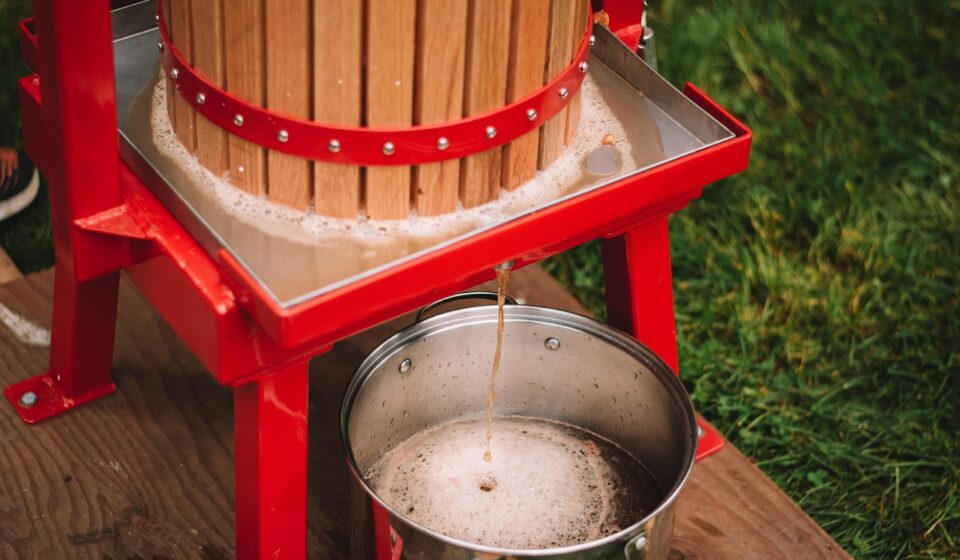
Choosing a juice making machine starts with the process route
A juice making machine for factory use should be specified as a complete production system, not as a stand-alone extractor. In most plants, the line covers fruit receiving, washing, sorting, crushing or milling, extraction, screening or refining, optional treatment, filtration or pulp control, blending, deaeration, pasteurization, filling, packaging, and cleaning in place. The right specification depends on the raw material, target product, pathogen control requirement, packaging format, daily throughput, utilities, and available floor space. In the United States, juice processors subject to FDA juice HACCP rules must prepare a written hazard analysis and, where required, implement HACCP controls; machine selection is therefore tied to food safety and documentation as well as capacity. (fda.gov)
For factory planners, the practical question is not which machine has the highest level of automation. The question is whether the complete line can turn a defined fruit supply into a defined finished product at the required quality, safety level, labor cost, and cleaning standard. A chilled cloudy apple juice line, a citrus line, a mango puree line, and an aseptic juice line may all fall under juice production, but the equipment priorities are not the same.
For more equipment layout and production planning topics, see the factory planning section.
Build the process flow before comparing suppliers
The process flow should be fixed before supplier quotations are compared. If a factory asks only for liters per hour, it may receive equipment that meets a simple output number but cannot handle real fruit conditions, pulp load, cleaning time, or packaging requirements.
Raw fruit receiving, washing, and sorting
The line starts with raw material control. Fruit reception equipment may include bins, elevators, flumes, brush washers, spray washers, inspection conveyors, and sorting tables. These machines protect downstream equipment by removing soil, damaged fruit, leaves, stones, and other foreign matter. For citrus or fruit where peel contact is a concern, washing and sorting are especially important because surface contamination can enter the juice during cutting or extraction if the process is poorly controlled.
At this stage, planners should define the fruit size range, maximum dirt load, whether fruit arrives in crates or bulk bins, whether manual sorting is needed, and how rejects will be removed. These details affect conveyor width, washer residence time, water circulation, drainage, and waste handling.
Crushing, milling, extraction, and pulp control
Extraction technology depends on the fruit. Apples and pears usually require washing, crushing or milling, pressing, and clarification or cloud stabilization depending on the final product. Citrus may use reamers, cup extractors, or systems designed to limit peel oil and bitter components. Mango, peach, apricot, tomato, and similar fruits often need pulping, refining, and sometimes homogenization rather than a simple press.
Factory planners should ask suppliers to state expected yield ranges, screen sizes, pulp percentage control, and the assumptions behind those figures. Yield depends on fruit variety, maturity, temperature, pretreatment, operator settings, and maintenance condition. A supplier estimate is useful only when its basis is clear.
Thermal treatment, filling, and post-fill handling
After extraction and formulation, the factory must define whether the product will be sold chilled, hot-filled, aseptically filled, or processed as concentrate or puree. This decision controls the pasteurizer type, holding tube, balance tank, filler, capper, tunnel cooling, sterile tank, or aseptic package system. It also changes utility demand, floor space, operator skill requirements, validation work, and maintenance cost.
Pasteurization parameters should not be copied from a catalog. They need to match the product, pH, viscosity, target microorganism, packaging, and local regulatory expectations. FDA guidance for juice HACCP discusses the 5-log pathogen reduction requirement and explains that a 5-log reduction represents a 100,000-fold reduction in the pertinent microorganism under the validated process. (fda.gov)
Size capacity around bottlenecks and seasonal reality
Capacity planning should be based on the weakest sustained section of the line, not the rated speed of one machine. A press rated at 2,000 liters per hour does not create a 2,000-liter-per-hour factory if the washer, pasteurizer, filler, cooling system, boiler, or manual packing area cannot keep pace. Cleaning time, shift change, fruit receiving delays, and maintenance stops also reduce real daily output.
Seasonality matters. Many juice factories process fruit during a short harvest window, so the line may need to run intensively for several months and then switch to concentrate, puree, or blended products later. If the plant will process multiple fruits, planners should check whether pumps, valves, screens, fillers, and heat exchangers can handle different viscosity, fiber, acidity, and cleaning loads.
| Planning question | What to specify | Why it matters |
|---|---|---|
| How much finished juice is needed per shift? | Liters per hour, operating hours, cleaning time, and expected downtime | Prevents confusing peak equipment rating with daily factory output |
| What fruit will be processed? | Fruit type, size range, maturity, solids, seeds, peel condition, and seasonal variation | Determines washing, extraction, pulp control, and waste equipment |
| What package will be used? | PET bottle, glass bottle, pouch, carton, bag-in-box, drum, or bulk tank | Controls filler selection, cap handling, sterilization, cooling, and packing layout |
| What product quality is required? | Cloudy or clear juice, pulp level, Brix target, acidity, aroma retention, and shelf life target | Affects filtration, deaeration, homogenization, and heat treatment choices |
| What utilities are available? | Steam, hot water, chilled water, compressed air, electricity, process water, and drainage | A line that exceeds available utilities will not reach its rated performance |
A useful capacity request should include both normal and peak conditions. For example, a planner might specify 1,500 liters per hour for eight production hours, one cleaning cycle per day, apple and pear raw materials, hot-fill PET bottles, and room for a future 30 percent capacity increase. That kind of request gives equipment suppliers a realistic design basis.
Food safety and hygienic design requirements
Food safety requirements strongly influence the correct machinery. FDA describes HACCP as a management system that addresses biological, chemical, and physical hazards from raw material production through consumption. Codex food hygiene principles also place HACCP within a broader food hygiene framework. For a juice factory, the equipment must support hazard control, sanitation, monitoring, corrective action, and records. (fda.gov)
HACCP controls must be designed into the line
Critical controls can include fruit receiving conditions, washing or sanitizing steps, pasteurization temperature, holding time, flow diversion, filler sanitation, and finished product handling. If a pasteurizer is part of the control system, the line may need reliable temperature measurement, controlled flow rate, holding tube design, diversion capability, calibration points, and records. FDA guidance notes that for continuous high temperature short time pasteurization, juice temperature and heating time are typical critical limits, with equipment design helping control the required time. (fda.gov) See also: buying guides.
Hygienic design is different from polished appearance
Food-contact surfaces should be compatible with the product and cleaning chemicals, but hygienic design goes beyond stainless steel. Dead legs, poor drainage, rough welds, difficult-to-remove seals, exposed threads, and product traps can make cleaning unreliable. EHEDG describes hygienic design principles for food manufacturing equipment and facilities, while 3-A Sanitary Standards focus on sanitary design, fabrication, installation, and cleanability of equipment used for consumable products. (ehedg.org)
CIP and cleaning verification affect productivity
Cleaning in place is often treated as an accessory, but it can determine whether the factory can run two shifts, change products quickly, or pass audits. CIP planning should define circuits, tank volume, chemical dosing, return flow, temperature, time, conductivity, drainage, and whether all product-contact areas are actually reached. EHEDG test method information states that cleanability tests can help equipment selection, but the food manufacturer remains responsible for developing cleaning regimes suitable for the specific process. (ehedg.org)
How common factory layouts compare
There is no universal layout for every juice factory. The suitable arrangement depends on the product route, shelf life, package, automation level, and investment plan. The comparison below is a planning aid, not a substitute for process validation or local regulatory review.
| Factory route | Typical equipment focus | Planning strengths | Main limitations |
|---|---|---|---|
| Chilled fresh juice line | Washing, sorting, extraction, filtration or pulp control, pasteurization if required, chilled filling, refrigeration | Lower heat load and simpler packaging than aseptic systems | Cold chain, short shelf life, and strict sanitation control are critical |
| Citrus juice line | Fruit washing, brushing, surface treatment where applicable, citrus extraction, finisher, deaerator, pasteurizer, filler | Designed around peel, oil, pulp, and citrus-specific extraction issues | Incorrect extraction can increase bitterness or peel oil defects |
| Hot-fill juice line | Blending, deaeration, tubular or plate pasteurization, hot filler, capper, bottle inverter, cooling tunnel | Common option for acid beverages in bottles when validated correctly | Package heat resistance, cooling water, and flavor impact must be considered |
| Aseptic juice or puree line | High level heat treatment, sterile tank, aseptic filler, sterile utilities, controlled environment | Can support longer shelf life and bulk or retail aseptic packaging | Higher investment, stronger validation needs, and skilled maintenance are required |
| Concentrate or puree processing | Pulping, refining, evaporation or concentration, sterilization, drums or bag-in-box filling | Useful when raw fruit season is short or transport weight must be reduced | Steam demand, viscosity handling, aroma loss, and cleaning difficulty can increase |
A compact line may suit a startup factory, but only if it still provides enough access for cleaning, inspection, drainage, and maintenance. A larger modular line may cost more at the beginning, yet it can reduce disruption when adding another filler, pasteurizer, or raw fruit preparation area later.
Specification checklist for a supplier enquiry
A clear enquiry reduces the risk of receiving quotations that cannot be compared. Instead of asking for a general juice making machine for factory production, prepare a short technical brief. It should describe the product and factory conditions in measurable terms.
- Raw materials, including fruit type, variety if known, size range, expected condition, and harvest season.
- Finished product, including clear juice, cloudy juice, nectar, puree, concentrate, pulp level, Brix, acidity, and target shelf life.
- Capacity, including liters per hour, hours per shift, shifts per day, cleaning time, and future expansion allowance.
- Packaging format, including bottle, pouch, carton, drum, cap type, label type, case packing, and palletizing needs.
- Food safety route, including HACCP expectations, pasteurization or other validated treatment, monitoring points, and records.
- Automation level, including manual feeding, semi-automatic filling, PLC control, recipe control, alarms, and data recording.
- Utilities, including voltage, steam pressure, compressed air, water quality, cooling water, chilled water, and drainage capacity.
- Cleaning and sanitation, including CIP circuits, removable parts, chemical compatibility, allergen or product changeover needs, and access for inspection.
- Factory constraints, including room size, ceiling height, floor loading, slope and drains, operator access, and maintenance space.
- Documentation needs, including material certificates, manuals, electrical drawings, spare parts lists, calibration points, and validation support documents.
Mistakes that increase cost after installation
Several mistakes appear repeatedly in factory planning. One is buying a filler before defining the pasteurization and cooling route. Another is oversizing extraction while undersizing washing, utilities, or packing labor. A third is choosing equipment that can run one product well but is difficult to clean when the factory changes from apple to mango or from clear juice to pulpy nectar.
Waste handling is also often underestimated. Peels, pomace, seeds, wash water, filter residues, and rejected packages need space and removal routes that do not cross clean production areas. If the factory layout ignores these flows, sanitation and labor cost can become daily problems.
Frequently asked questions
What is the most important specification for a factory juice machine?
The most important specification is the complete process route, followed by real sustained capacity. Liters per hour matter, but they are meaningful only when tied to fruit type, product style, package, safety treatment, cleaning time, and utilities.
Is a pasteurizer always required in a juice factory?
Not every product route is identical, and requirements vary by market, product, and distribution method. However, many commercial juice operations need a validated pathogen control step. In the United States, FDA juice HACCP rules include the 5-log pathogen reduction requirement for covered juice processors, with specific details and exceptions in the regulation and guidance. (fda.gov)
Should a small factory choose a combined juice production line?
A combined line can save space and simplify installation, but it may reduce flexibility. Before choosing one, check whether every section is accessible for cleaning, whether the filler matches the desired package, whether the pasteurizer can be validated for the product, and whether the line can expand later.
What documents should be requested from a machine supplier?
Useful documents include the process flow diagram, equipment layout, utility list, material specifications, pump and valve list, cleaning instructions, electrical drawings, spare parts list, operating manual, and information needed for commissioning and food safety validation. For regulated products, the factory should also confirm documentation needs with its food safety consultant or local authority.
How early should factory layout be planned?
Layout should be planned before equipment purchase. Drainage, clean and dirty area separation, raw fruit entry, finished goods exit, utilities, maintenance access, and waste routes all affect machine selection. Revising these items after machinery arrives is usually more expensive than solving them during planning.