How to choose a fly ash brick making machine for consistent brick quality
Start with the brick you need to make
A fly ash brick making machine should be selected around the finished brick, not around the biggest output figure in a brochure. The machine must fit your target brick size, strength class, raw material mix, curing method, labor plan and local compliance requirements. In buying terms, the key checks are forming pressure or vibration consistency, accurate batching, moisture control, mold quality, stable demolding, curing logistics and spare-parts support. Public references such as IS 12894 for pulverized fuel ash-lime bricks, BIS product-manual guidance, ASTM C618 for coal fly ash used in cementitious applications and U.S. EPA coal combustion residual reuse guidance all point to the same basic principle: fly ash products depend on controlled materials, repeatable production and verified performance testing.
This article focuses on how buyers can compare machine options before purchase. For more equipment selection articles, visit our buying guides section.
Understand what the machine must control
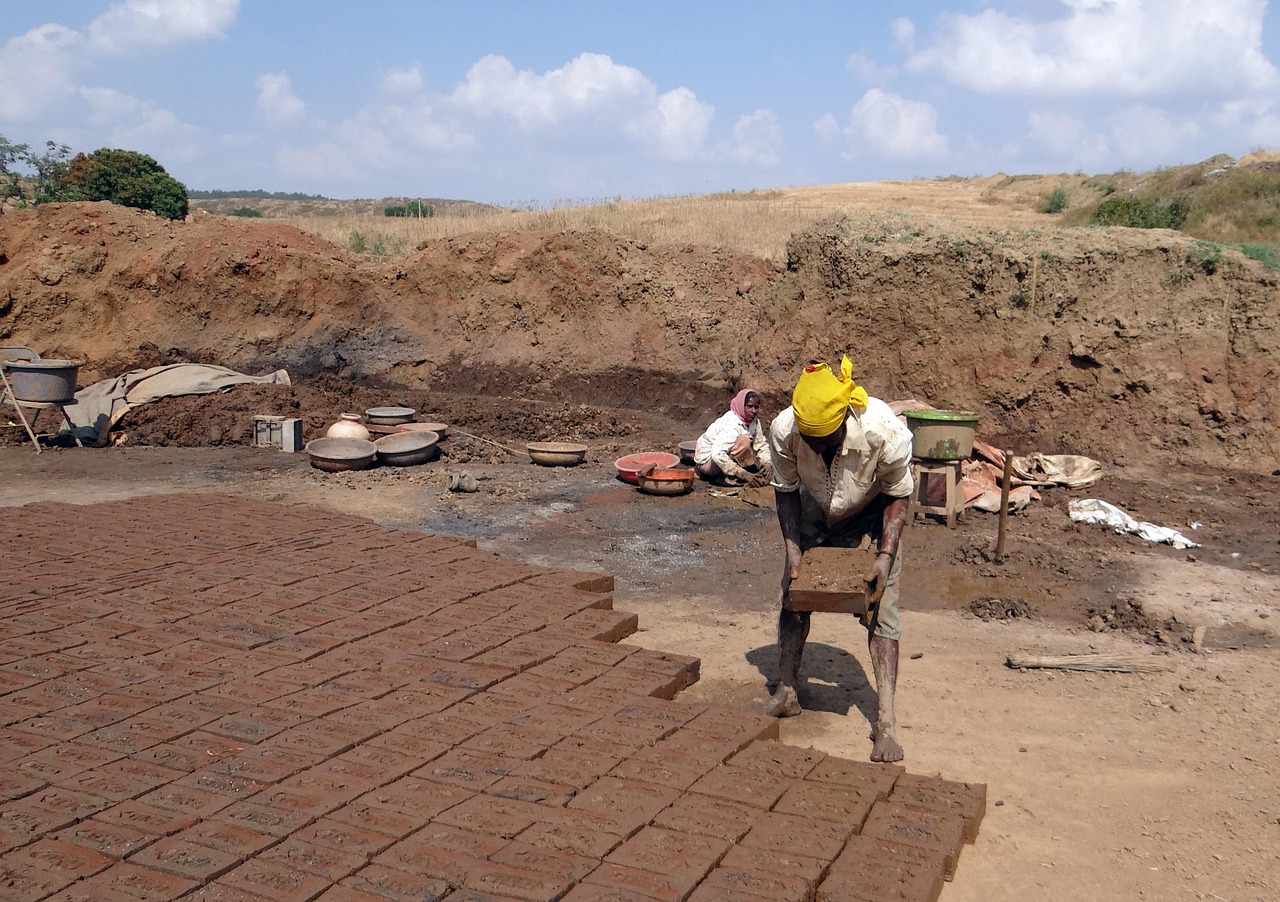
A brick press is only one part of a fly ash brick production line. A complete line normally includes raw material storage, weighing or volumetric feeding, mixing, conveying, forming, pallet handling, curing and product stacking. If any step is unstable, the finished brick may vary in weight, edge sharpness, water absorption or compressive strength, even when the press itself has enough power.
Fly ash-based bricks are usually made from fly ash blended with binders and aggregates such as lime, cement, gypsum, sand, stone dust or bottom ash, depending on the local formula and applicable standard. The machine has to form a dense, uniform green brick that can be handled without cracking and then gain final strength during curing. For that reason, buyers should look beyond motor power and ask how the line controls material feed, mix uniformity, pressure, vibration, cycle timing and mold alignment.
Inconsistent bricks often come from basic production problems: wet fly ash, poor mixing, uneven filling, worn mold liners, unstable hydraulic pressure, excessive demolding speed or insufficient curing space. A good purchasing process checks these risks before the order is signed.
Match the machine to standards and local rules
Before comparing suppliers, define the performance standard your bricks must meet. In India and in many export discussions, IS 12894:2002 is frequently used for pulverized fuel ash-lime bricks. It classifies bricks by average wet compressive strength from class 3.5 to class 30, expressed in N/mm². The same standard includes physical checks such as dimensions, drying shrinkage, efflorescence and water absorption. It sets average water absorption limits of not more than 20 percent by mass up to class 12.5 and 15 percent by mass for higher classes, after 24 hours of cold-water immersion.
These figures matter when buying equipment. A machine that can make an acceptable low-strength brick may not be suitable for a higher class without better batching, higher compaction, longer curing or a different mix design. If your market requires certification, ask the supplier to explain which brick classes the machine has actually produced, which raw materials were used and which laboratory tests were performed.
Regulation also varies by country. In the United States, the U.S. EPA describes coal combustion residuals used in bound products such as bricks, concrete and wallboard as encapsulated beneficial use, while noting that state environmental agencies are generally responsible for regulating beneficial use. In India, the Ministry of Environment, Forest and Climate Change issued the Ash Utilisation Notification on December 31, 2021, which lists fly ash-based products such as bricks, blocks and tiles among eco-friendly ash utilisation routes. These references are useful context, but they do not replace local permits, product standards or building-code acceptance.
Choose the forming technology carefully
Fly ash brick machines are commonly sold as manual, semi-automatic or fully automatic models, but automation level is not the same as forming quality. Buyers should first understand the forming principle.
Hydraulic pressing
Hydraulic pressing uses static pressure to compact the mix inside a mold. It is often selected for solid fly ash bricks where density, shape and smooth surfaces are priorities. When evaluating this type of machine, ask for the rated working pressure, actual pressure during production, hydraulic oil cooling method, cylinder specification, valve brand, pressure-holding time and demolding sequence. Stable working pressure is more useful than a single peak pressure figure.
Vibration with compaction
Vibration-based block and brick machines combine vibration with pressure or tamper action. They are widely used for concrete blocks, pavers and products that contain coarser aggregates. For fly ash brick production, the vibration system must match the particle size and moisture level of the mix. Too little vibration can leave voids; too much vibration can cause segregation or damaged edges. Ask whether vibration frequency and amplitude are adjustable and whether the machine can run your intended mold sizes.
Manual, semi-automatic and automatic lines
Manual machines may suit very small operations, but they rely heavily on worker skill and can produce more variation. Semi-automatic lines reduce handling and improve repeatability while keeping investment moderate. Fully automatic lines add automatic batching, conveyors, pallet feeding, stacking and sometimes cubing, which can improve consistency and reduce labor. However, a fully automatic line only pays off when the plant has stable raw material supply, enough curing space, maintenance capability and market demand for the output.
Calculate usable capacity, not advertised capacity
Machine capacity is often presented as bricks per hour or bricks per shift. Treat this as a starting estimate, not a guaranteed production figure. Real output depends on cycle time, bricks per mold, product size, pallet change time, material feeding, operator skill, curing rack availability, mold-change frequency and downtime.
A practical estimate is:
Net daily output = cycles per hour × bricks per cycle × productive hours × qualified yield factor
The qualified yield factor is important. If a machine can theoretically produce 20,000 bricks per day but 8 percent are cracked, underweight or dimensionally inconsistent, saleable output is lower. Buyers should ask suppliers to separate theoretical capacity, normal operating capacity and tested output for the specific brick size.
| Capacity factor | What to ask | Why it matters |
|---|---|---|
| Cycle time | What is the normal cycle time with your brick size? | Small changes in cycle time have a large effect on daily output. |
| Bricks per mold | How many bricks are formed per cycle? | A high cycle rate is less useful if each cycle makes fewer bricks. |
| Pallet system | How many pallets are needed for one shift? | Insufficient pallets can stop the line before the press reaches capacity. |
| Curing space | How many bricks can be cured at one time? | Production is limited by curing and handling, not only by the press. |
| Reject rate | What yield is achieved after curing and testing? | Qualified output is more important than green-brick output. |
Check raw material and mixing requirements
Fly ash quality can vary by power plant, combustion condition, collection system and storage method. Buyers should not assume that any fly ash can be used without testing. ASTM C618, although written for coal fly ash and natural pozzolan used in concrete, is a useful reminder that fly ash performance is linked to chemical and physical properties such as fineness, strength activity, water requirement and soundness. For brick production, moisture, loss on ignition, particle size, soluble salts and contamination can also affect forming and curing results. See also: factory planning.
A strong machine cannot compensate for an uncontrolled recipe. When comparing production lines, check whether the supplier provides weigh batching, a pan mixer or suitable intensive mixer, water dosing and a clear mixing sequence. Weight-based batching is generally easier to control than rough volume-based feeding, especially when fly ash moisture changes during the day.
Ask to run a trial with your own fly ash and local binders whenever possible. Trial production should record the mix ratio, water addition, mixing time, forming pressure or vibration setting, demolding condition, curing method and test results. Without those records, sample bricks may not represent what your plant will produce.
Evaluate molds, curing and maintenance before price
Molds directly affect brick dimensions, edges, surface finish and replacement cost. Check the mold steel grade, heat treatment, liner thickness, surface hardness and expected service life. If you plan to produce several brick sizes, confirm the mold-change time and whether the machine frame can accept all required molds without modification. Cheap molds can make the initial quotation look attractive but may increase long-term cost through wear, burrs and dimensional drift.
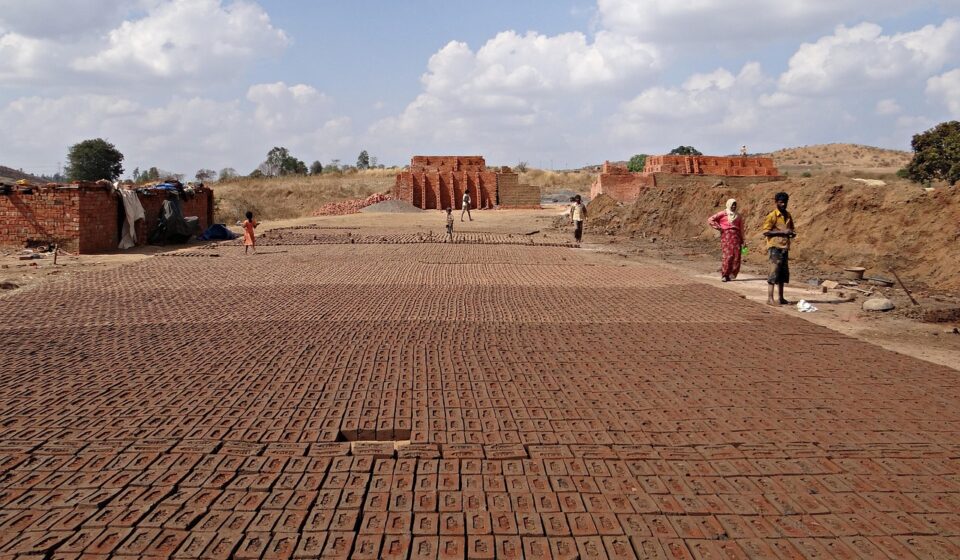
Curing is another common bottleneck. Fly ash-lime or fly ash-cement bricks do not become finished products at the moment of pressing. They require controlled curing to develop strength and reduce cracking risk. Depending on the mix and local practice, curing may involve water curing, covered moist curing, steam-assisted curing or other controlled methods. The selected machine line should match the curing plan: pallet strength, stacking method, green-brick handling, yard layout and forklift access all matter.
Maintenance should be assessed with the same seriousness as purchase price. Hydraulic seals, solenoid valves, bearings, vibration motors, electrical components, sensors, pallets and mold parts are consumables or wear items. Ask for a spare-parts list, recommended stock for the first year, lubrication schedule, electrical diagram, hydraulic diagram and troubleshooting manual. A lower machine price is not a saving if one failed part stops production for weeks.
Use a structured supplier checklist
Before placing an order, compare suppliers with the same questions. This reduces the risk of choosing a machine based only on persuasive sales language.
- Product match: Which brick sizes, frogs, holes or interlocking shapes can the machine make?
- Strength target: What brick strength class has been achieved with documented tests?
- Material trial: Can the supplier test your fly ash, sand, lime or cement before final configuration?
- Forming data: What are the working pressure, vibration parameters, cycle time and demolding method?
- Automation scope: Does the quotation include batching, mixer, conveyors, pallets, stacker, control cabinet and molds?
- Power and utilities: What are the real power demand, air requirement, water requirement and foundation needs?
- Curing plan: How many pallets, racks and square meters are required for one day of output?
- Quality control: What tests should be performed on each production lot?
- Training: Does the supplier provide operator, maintenance and mix-adjustment training?
- Support: How quickly can spare parts and technical assistance be provided?
Be cautious if a supplier promises high strength with no curing, very high output with minimal labor or universal compatibility with all raw materials. Fly ash brick production is a controlled manufacturing process, not a single-machine shortcut.
Frequently asked questions
Is a hydraulic machine always better for fly ash bricks?
Not always. A hydraulic press is often suitable for solid fly ash bricks that need density and dimensional consistency, but vibration-compaction machines may be better for products with coarser aggregates, hollow blocks or pavers. The better choice depends on the product standard, mix design and local market.
How much automation should a new buyer choose?
Choose automation according to stable demand, labor cost, maintenance skill and raw material control. A semi-automatic line can be a sensible starting point for many producers. A fully automatic line is attractive when daily volume is high and the buyer can support continuous operation, planned maintenance and consistent material supply.
Can one fly ash brick making machine make many brick sizes?
Many machines can make different sizes by changing molds, but there are limits. Frame size, pressing force, vibration area, pallet size and demolding design all restrict product range. Always confirm the exact sizes and shapes in writing before ordering molds.
What tests should buyers plan for finished bricks?
Common checks include dimensions, compressive strength, water absorption, efflorescence and drying shrinkage where required by the applicable standard. For markets using IS 12894, these tests are central to demonstrating conformity. Buyers should use qualified laboratories when certification or project acceptance depends on the result.
What is the biggest mistake when buying this machine?
The biggest mistake is buying by advertised capacity alone. A better decision starts with the required brick specification, verified raw materials, realistic net output, curing space, mold quality and after-sales support. Those factors decide whether the machine can produce saleable bricks consistently.
Buying conclusion
The best fly ash brick making machine for a project is the one that can repeatedly produce the required brick quality under local material and operating conditions. Start with the target standard and strength class, then verify forming technology, batching accuracy, mixing quality, molds, curing capacity, maintenance needs and supplier support. If two machines look similar on price, the safer option is usually the one backed by clearer production data, realistic capacity assumptions, documented trial results and better spare-parts planning.