Tractor harvester buying guide for matching power, capacity and crop needs
Quick answer
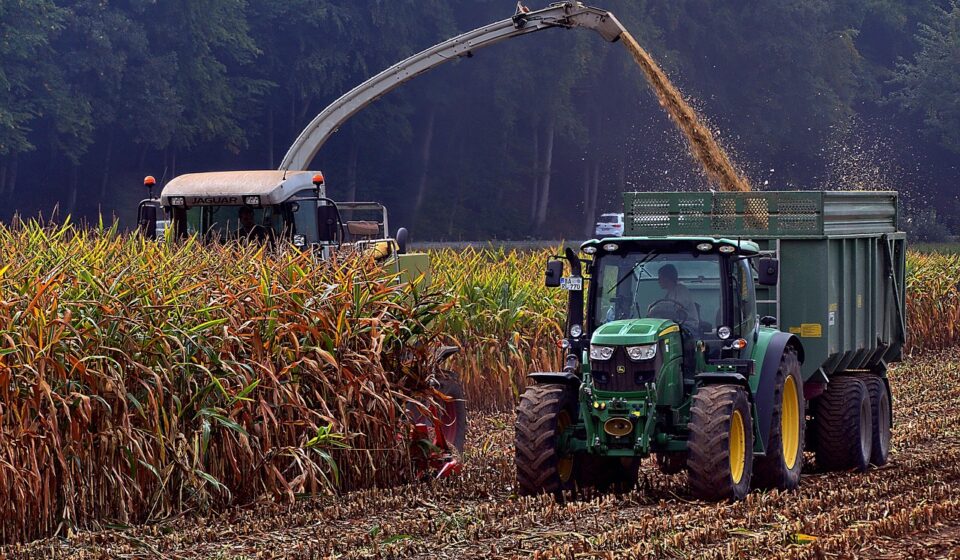
A tractor harvester buying decision should start with the crop, acres to harvest, available harvest days and the equipment already on the farm. For small and mixed operations, a tractor with compatible PTO, hydraulics, hitch category and a mounted or pull-type harvester can be a flexible option. For grain farms working within tight harvest windows, a self-propelled combine or specialty harvester may provide the needed capacity, but only if grain handling, labor and maintenance support can keep pace. The aim is not simply maximum horsepower. It is a balanced system that finishes harvest on time, protects crop quality, limits field loss and keeps ownership cost per acre within a realistic range.
What tractor harvester means in a buying decision
The phrase tractor harvester is used differently across markets. Some buyers mean a tractor pulling or powering a harvesting implement. Others use it to describe a self-propelled combine, forage harvester, cotton picker, rice harvester or vegetable harvester. Before comparing brands or prices, define the type of harvesting system the operation actually needs.
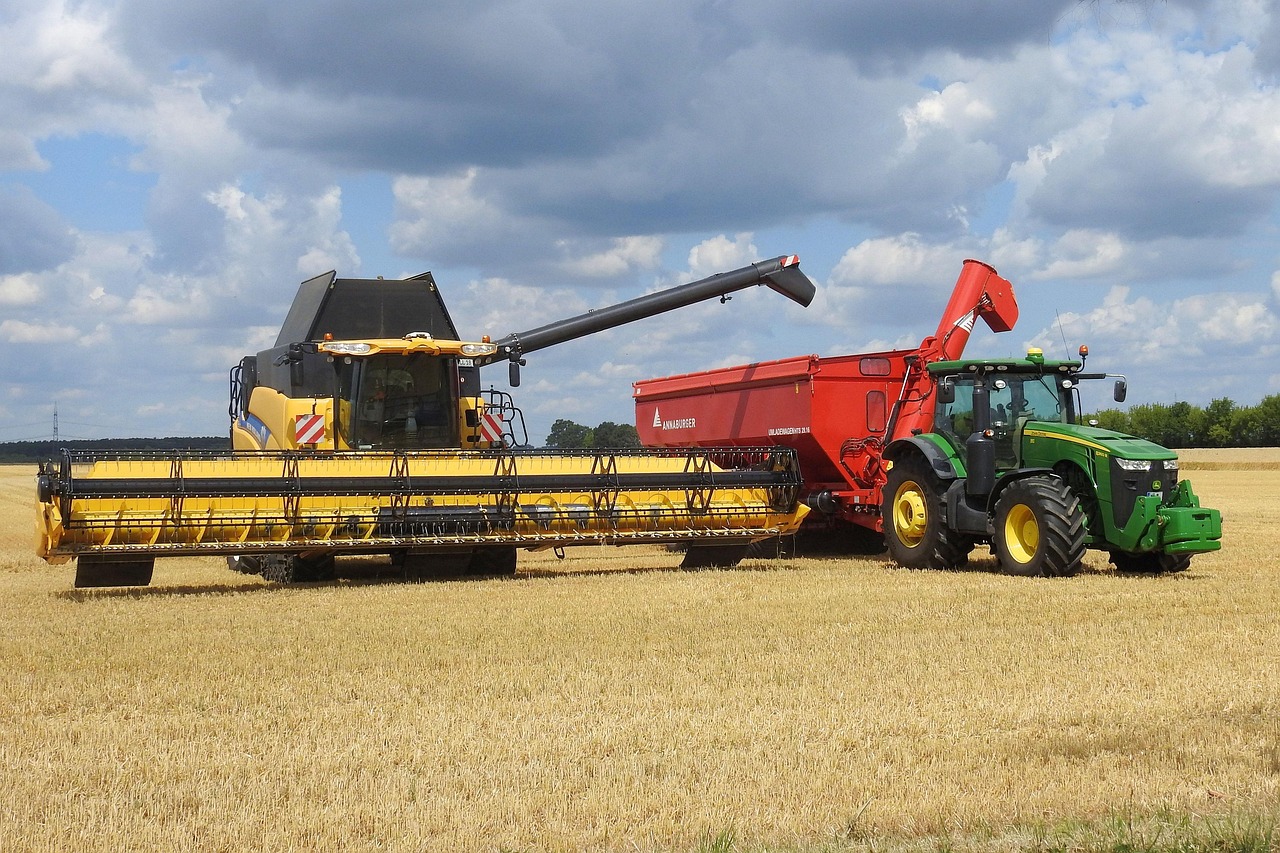
A tractor-powered harvesting setup usually depends on four interfaces: drawbar or three-point hitch, PTO shaft, hydraulic remotes and electrical controls. This system can be attractive when the same tractor also handles tillage, planting, hauling, mowing or loader work. The trade-off is that tractor power and operator time may be needed for several jobs at once, especially in a short harvest window.
A self-propelled harvester carries its own engine, drivetrain, crop-processing system and operator platform. It is less versatile outside harvest, but it is designed around throughput, header control, residue handling, cleaning performance and operator visibility. USDA National Agricultural Statistics Service data from the 2022 Census of Agriculture show how common both categories are in U.S. operations: farms reported about 3.78 million tractors and about 298,301 self-propelled grain and bean combines. (data.nass.usda.gov)
Start with crop, acres and harvest window
The key sizing question is practical: how many acres must be harvested per hour under real field conditions? Iowa State University Extension’s machinery management guidance uses field capacity calculations to estimate whether a machine can cover the required acreage. The method separates theoretical field capacity from effective field capacity because turns, unloading, overlap, field shape, crop condition and weather reduce actual output. (extension.iastate.edu)
| Input | Why it matters | What to check before buying |
|---|---|---|
| Crop type | Determines header, threshing, cutting, lifting or chopping requirements | Grain, forage, rice, cotton, tuber, vegetable or orchard crop |
| Harvest window | Short windows require higher daily capacity and better reliability | Typical suitable field days, labor availability and local weather risk |
| Field size and shape | Small or irregular fields reduce effective capacity | Turning space, slopes, terraces, gateways and road transport limits |
| Downstream logistics | A fast harvester still waits if carts, trucks or storage are undersized | Grain cart, trailers, unloading rate, drying and storage capacity |
For a rough capacity check, use this formula: effective field capacity equals header width in feet multiplied by ground speed in miles per hour multiplied by field efficiency, divided by 8.25. Iowa State’s updated February 2026 example shows a 45-foot soybean header at 4.5 mph and 80% efficiency producing about 19.6 acres per hour. Treat that as a planning benchmark, not a guaranteed output, because yield, unloading time and field conditions still affect actual capacity. (extension.iastate.edu)
Match tractor power, PTO, hydraulics and hitch compatibility
If the harvester depends on a tractor, do not size the tractor by engine horsepower alone. Extension guidance commonly separates engine horsepower, drawbar horsepower and PTO horsepower. Engine power is the highest rating, drawbar power reflects pulling ability and PTO power is the usable power available to run PTO-driven implements. Penn State Extension notes that implement horsepower ranges should be matched carefully because both underpowering and overpowering can damage equipment or reduce field performance. (extension.psu.edu)
For PTO-driven harvesters, confirm PTO speed, shaft type, guarding, clutch condition and whether the tractor can maintain rated PTO speed under load. A tractor that appears adequate on paper may still struggle in heavy crop, wet fields or applications that require hydraulic flow while the PTO is loaded. Hydraulic flow and pressure matter for headers, steering assists, conveyors, lifting systems and folding mechanisms.
- PTO horsepower: Compare the implement’s minimum and maximum PTO requirements, not only engine horsepower.
- Ballast and traction: Pull-type harvesters and loaded wagons can require more weight and braking control than the crop-processing unit suggests.
- Hydraulic remotes: Count the number of circuits required for lift, swing, unloading, header control and auxiliary functions.
- Hitch and drawbar: Confirm hitch category, drawbar load rating, tongue weight and turning clearance.
- Transport width: Check road legality, bridge clearance, header cart needs and farmyard access.
Safety belongs in the specification, not at the end of the purchase process. OSHA’s agricultural tractor standard defines an agricultural tractor as a two- or four-wheel drive vehicle, or track vehicle, of more than 20 engine horsepower designed to furnish power for agricultural implements, and it addresses rollover protective structures and seat belts for covered tractors. (osha.gov)
When a self-propelled harvester makes more sense
A self-propelled harvester usually makes sense when crop volume and the harvest window justify a dedicated machine. This is common in grain, forage, cotton and high-acreage specialty crops. The main advantage is integrated design: the engine, transmission, separator, cleaning system, cab, header control and electronics are engineered as one harvesting platform.
The purchase is harder to justify if the machine will run only a few days per year. In that situation, used equipment, leasing, custom harvesting or machinery sharing may be more rational than owning a high-capacity machine. The choice is financial as well as mechanical. A combine that finishes faster can protect yield and quality, but only if the operation has enough carts, trucks, storage, operators and service support to use that capacity.
Market context can also influence buying strategy. As of the August 2026 AEM United States Ag Tractor and Combine Report, released on September 10, 2026, year-to-date U.S. retail sales were down 12.4% for total farm tractors and down 9.1% for self-propelled combines compared with the same period in 2025. AEM states that its monthly report is based on member company data and represents preliminary retail sales. (aem.org)
For buyers, lower sales do not automatically mean a bargain. They may affect dealer inventory, trade-in availability and negotiation timing, but monthly sales data should be treated as background rather than the main reason to buy.
Inspecting new and used tractor harvester equipment
For new equipment, focus the inspection on specification accuracy, dealer support, parts availability, warranty terms and compatibility with existing machines. For used equipment, condition matters more than appearance. Clean paint does not prove that the drivetrain, separator, cutterbar, chains, belts, bearings or hydraulic systems are sound.
Engine, drivetrain and emissions
Check cold start behavior, blow-by, service records, coolant condition, oil leaks, transmission engagement and final drive noise. In the United States, EPA rules for nonroad compression-ignition diesel engines apply to farm tractors and agricultural equipment, and Tier 4 standards require advanced emission control technologies on covered new engines. Buyers should understand diesel exhaust fluid, regeneration procedures and sensor maintenance before purchasing newer equipment. (epa.gov) See also: factory planning.
Harvesting components
On a combine or crop harvester, inspect header knives, gathering chains, augers, feederhouse chains, rasp bars, concaves, sieves, straw choppers, elevator chains and grain tank unloading systems. Wear in these areas directly affects loss, grain quality and downtime. For forage equipment, inspect knives, shear bars, feed rolls and kernel processors. For root or vegetable harvesters, look closely at belts, webs, lifters and soil-separation parts.
Electronics and calibration
Modern harvesters often include yield monitoring, moisture sensing, auto header height, guidance compatibility and machine automation. Iowa State University Extension’s 2026 combine performance guidance emphasizes that automation does not eliminate field checks. Operators still need to inspect grain samples, measure losses and verify settings as crop conditions change. (crops.extension.iastate.edu)
Calculate ownership cost before comparing prices
Purchase price is only one part of the tractor harvester decision. Iowa State University Extension separates machinery ownership costs from operating costs. Ownership costs include depreciation, interest, taxes, insurance and housing. Operating costs include repairs, maintenance, fuel, lubrication and labor. Its machinery cost guidance also notes that used machines usually have lower fixed costs but higher repair risk, so the economics depend on condition and annual use. (extension.iastate.edu)
A practical buying calculation should include:
- Expected annual acres or hours
- Purchase price, financing cost and expected resale value
- Repairs, wear parts and preventive maintenance
- Fuel, DEF if applicable, lubrication and filters
- Labor, training and operator comfort
- Downtime risk during the harvest window
- Storage, insurance and transport equipment
- Alternative cost of custom hire or rental
The useful comparison is cost per acre or cost per ton, not just the monthly payment. A low-priced machine can become expensive if it delays harvest, loses grain, requires scarce parts or ties up a tractor needed elsewhere. A more expensive machine can still be excessive if annual hours are too low to spread fixed costs.
Pre-purchase checklist
| Decision area | Buyer question | Pass condition |
|---|---|---|
| Crop fit | Is the machine designed for the crop and expected yield? | Header, threshing, cutting or lifting system matches the crop |
| Capacity | Can it finish within the harvest window? | Effective acres per hour meets the required daily plan |
| Tractor match | Does the tractor supply enough PTO, drawbar power and hydraulics? | All implement requirements are met with reserve capacity |
| Logistics | Can carts, trucks and storage keep up? | Unloading and hauling do not become the bottleneck |
| Safety | Are guards, lights, brakes, ROPS and seat belts present and functional? | No missing critical safety equipment |
| Service | Are parts, manuals and technicians available locally? | Dealer or independent support is realistic during harvest |
| Economics | Does cost per acre beat alternatives? | Ownership, rental or custom hire comparison supports the purchase |
For more machinery selection articles, visit the buying guides section.
Frequently asked questions
Is a tractor-powered harvester cheaper than a self-propelled harvester?
It often has a lower purchase price, especially for small acreage or specialty crops, but it is not always cheaper per acre. The tractor must be available, correctly sized and maintained. If harvest delays create crop loss, a lower purchase price can be outweighed by lower capacity.
How much horsepower do I need for a tractor harvester?
Use the implement manufacturer’s PTO and drawbar requirements as the starting point, then add reserve for hills, heavy crop, wet soil and hydraulic demand. Do not rely only on engine horsepower, because PTO and drawbar power are the ratings that determine real work at the implement.
Should I buy new or used?
Buy new when uptime, warranty support, precision features and financing terms justify the cost. Buy used when annual hours are moderate, inspection is thorough and parts support is secure. For used machines, budget for repairs immediately after purchase rather than assuming the first season will be trouble-free.
What is the biggest mistake when buying harvest equipment?
The most common mistake is sizing one machine in isolation. A harvester, tractor, grain cart, truck, storage system and labor plan must work as a complete chain. The slowest link determines actual harvest capacity.
Is field capacity more important than horsepower?
For harvest planning, yes. Horsepower is necessary, but field capacity shows whether the machine can cover enough acres in the available time. Header width, ground speed, field efficiency, unloading logistics and crop yield all affect the final result.