Drill machine guide for workshops and small manufacturing lines
What a drill machine does in a manufacturing workflow
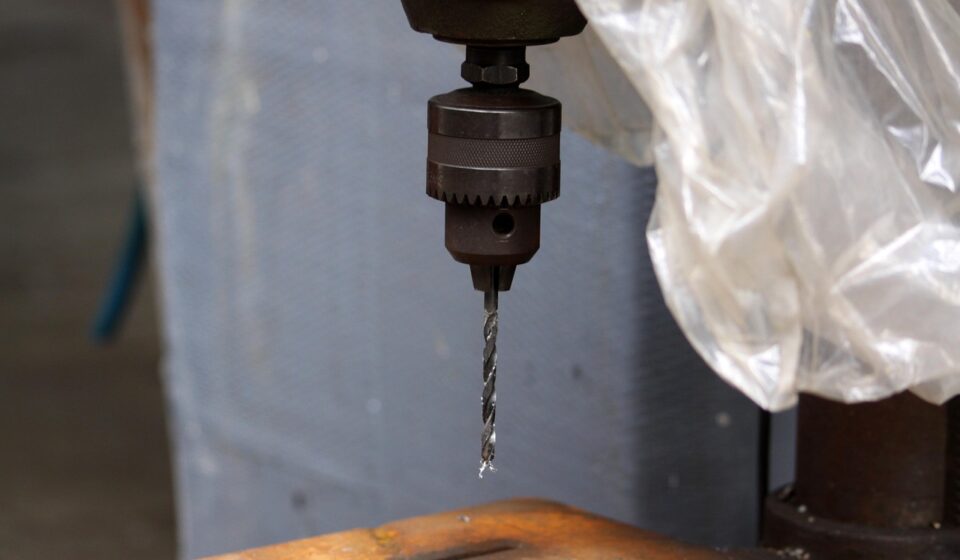
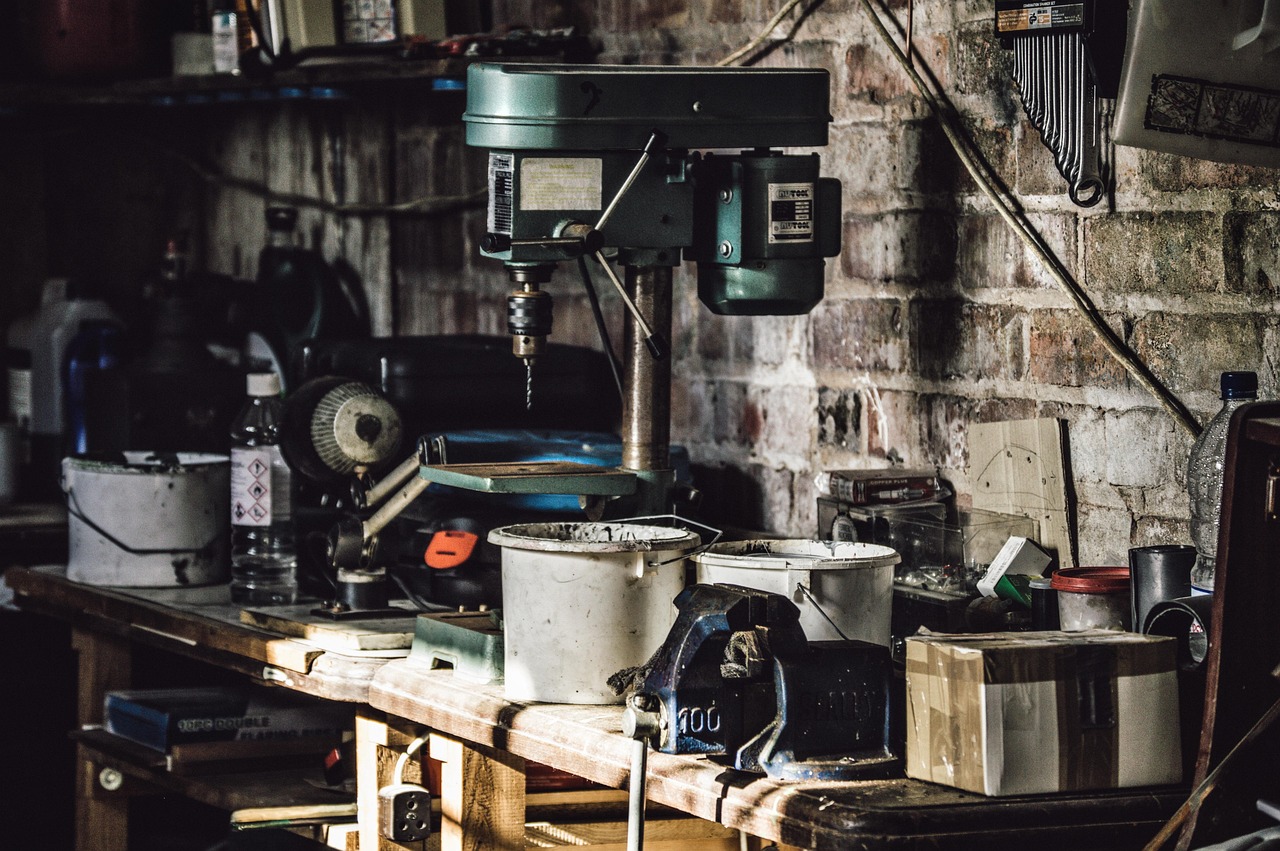
A drill machine, often called a drill press in many workshops, uses a rotating cutting tool to produce round holes in metal, wood, plastics, composites, and other machinable materials. For manufacturing users, its value is not limited to making holes. Compared with a hand-held drill, a fixed machine gives better control of perpendicularity, repeatability, depth, feed pressure, and workpiece stability.
In a workshop or small manufacturing line, a suitable drill machine can support layout work, fixture building, maintenance repair, prototype drilling, tapping preparation, countersinking, counterboring, and low-volume production. The right choice depends on material, hole size, required accuracy, available space, operator skill, safety controls, and whether the work is occasional or repetitive.
For more context on related equipment categories, see the machine tools section.
Main types of drill machine and where each fits
The term drill machine covers several machine designs. They share the same basic cutting principle, but their capacity, rigidity, workholding options, and role in production can differ significantly. Selecting by price or motor power alone often leads to a poor match, especially when the workpiece is large, heavy, irregularly shaped, or made from a difficult material.
| Type | Typical use | Strengths | Limitations |
|---|---|---|---|
| Bench drill press | Small parts, repair work, light fabrication, school or maintenance shops | Compact, affordable, easy to set up | Limited throat depth, table size, spindle travel, and low-speed torque |
| Floor or pillar drill press | General workshop drilling in metal, plastic, and wood | Better rigidity and height capacity than bench models | Still limited for very large plates or long structural parts |
| Radial arm drilling machine | Large castings, plates, frames, and workpieces that are difficult to move | Spindle can reach different positions without repositioning the whole part | Requires more floor space, setup control, and operator training |
| Gang or multi-spindle drill machine | Repetitive hole patterns and higher-volume production | Can reduce cycle time when many holes repeat | Less flexible for frequent product changes |
| Magnetic drill machine | On-site steelwork, structural drilling, maintenance, and field fabrication | Portable and useful on installed steel components | Depends on a suitable magnetic holding surface and safe positioning |
| CNC drilling or machining center | Precision hole patterns, mixed drilling and milling operations, production batches | Programmable, repeatable, capable of complex operations | Higher investment, programming needs, and maintenance requirements |
A small shop may get good value from a rigid floor drill press with a quality vise and the right tooling. A fabrication shop handling large steel plates may need a radial arm or magnetic drill. A production cell making repeat parts may justify a gang drill or CNC machine. The key is to match the machine structure to the workpiece and process, not just to the hole diameter.
Specifications that matter more than catalog size
Catalog pages often highlight swing, motor power, and maximum drilling capacity. Those numbers matter, but they do not describe the full working capability of the machine. A practical specification review should start with the actual parts being drilled: material grade, thickness, hole diameter range, tolerance, quantity per shift, and whether the hole is through, blind, angled, counterbored, or tapped afterward.
Spindle speed and torque
Steel, stainless steel, aluminum, wood, and plastic require different spindle speed ranges. Large drills and hole saws usually need lower speed and more torque. Small drills need higher speed, but they can break quickly if feed pressure is too heavy or runout is high. Step-pulley machines may be adequate for occasional work. Variable-speed machines are more convenient when operators regularly change materials and hole sizes.
Spindle travel, throat depth, and table movement
Spindle travel affects how deep a hole can be drilled without resetting the work. Throat depth determines how far from the edge of a workpiece the spindle can reach. Table movement, tilt, T-slots, and clamping access determine whether the part can be positioned securely. In manufacturing use, a machine that cannot hold the part properly is not truly capable, even if the motor has enough power to cut the hole.
Runout, rigidity, and workholding
Hole quality depends on the whole system: spindle bearings, chuck or toolholder, column stiffness, table rigidity, drill condition, and fixture design. Excessive runout can enlarge holes, shorten tool life, and leave a poor surface finish. Thin sheet, round tube, and irregular castings need careful clamping because they can lift, rotate, or grab as the drill breaks through. A vise, clamps, stops, jigs, and sacrificial backing plates are often as important as the drill machine itself.
Coolant and chip control
Metal drilling generates heat and chips. Lubrication helps reduce friction, improve tool life, and support a better hole finish, especially in steel and stainless steel. Deep holes may require peck drilling to clear chips. Operators should remove chips with a brush, vacuum, or suitable tool only after the spindle has stopped. Clearing chips by hand near a rotating tool is an unsafe habit and should not be treated as normal practice.
Safety and compliance considerations for drilling operations
Drill machines look straightforward, which can make their risks easy to underestimate. Main hazards include rotating chucks and spindles, exposed belts or pulleys, sharp drill bits, flying chips, workpieces that spin when the drill grabs, and stored electrical or mechanical energy during maintenance. OSHA machine guarding guidance identifies rotating parts, flying chips, and points of operation as hazards that require control. OSHA has also stated that its general machine guarding requirement applies to drill presses and lathes.
Canadian CCOHS drill press guidance gives practical shop-level advice that aligns with common industrial safety practice: use a clamp or drill vise to prevent work from spinning, remove the chuck key before starting, keep guards in place, reduce pressure as the drill breaks through, and avoid loose clothing, jewelry, gloves, or unsecured long hair around rotating parts. HSE guidance in the United Kingdom also emphasizes guarding, safe isolation, and preventing access to dangerous moving parts. Standards families such as ANSI B11.8-2021 for milling, drilling, and boring machines, and ISO 16090-1:2022 for certain machining centers and related machine tools, are often used as reference points in machine safety discussions.
For a workshop or small manufacturing line, the minimum safety review should include these checks:
- Is the belt, pulley, gear, and spindle area guarded where practical?
- Can the operator stop the machine quickly from the normal working position?
- Is the workpiece clamped or held in a vise rather than by hand?
- Is the chuck key removed immediately after tightening the tool?
- Are eye and face protection rules clear and enforced?
- Are operators trained not to wear gloves near rotating drills?
- Is power isolated before maintenance, belt changes, or tool removal tasks that create unexpected-startup risk?
Safety devices should not be treated as accessories added only for inspections. A guard that blocks visibility, a vise that is too small, or an emergency stop located out of reach will encourage workarounds. Good safety design should support the drilling task rather than make safe work harder.
Operations and maintenance that protect hole quality
A drill machine can lose accuracy long before it looks worn out. Small changes in setup, tooling, and maintenance can have a large effect on hole size and finish. Operators should start with a sharp drill of the correct geometry for the material. Dull tools create heat, require more thrust, wander more easily, and are more likely to grab at breakthrough. See also: buying guides.
Speed and feed should be selected for the drill diameter and material. For example, a small drill in aluminum can run much faster than a large drill in carbon steel. Stainless steel often needs controlled speed, steady feed, and suitable lubrication to reduce work hardening. Plastics may require attention to heat buildup and chip evacuation. Wood and composites can splinter unless supported with proper backing and appropriate tooling.
Routine maintenance should include checking chuck condition, spindle runout, belt tension, table locks, column fasteners, return spring operation, electrical controls, and guard condition. The table should be kept clean and free of burrs that prevent parts or vises from sitting flat. If repeated holes are needed, stops and jigs should be used instead of repeated manual layout. If positional tolerance matters, pilot drilling, spotting, center drilling, or a fixture plate may be necessary.
Breakthrough behavior is easy to overlook. As the drill exits the bottom of the material, cutting forces can change quickly. The tool may pull into the work, the part may lift, or a burr may form. Reducing feed pressure near breakthrough, using backing material, and keeping the workpiece clamped help reduce both quality defects and safety risk.
When a basic drill machine is not the right answer
A conventional drill press is useful, but it is not a universal solution. If the part requires tight hole position across many features, a fixture or CNC machine may be needed. If the work requires milling slots or side cutting, a drill press is usually the wrong tool because its spindle and chuck are not designed for milling side loads. If the hole is very deep relative to its diameter, specialized deep-hole drilling methods may be more reliable. If the batch includes hundreds of identical holes, a multi-spindle setup, turret machine, or CNC process can reduce handling time.
There are also cases where drilling is not the most efficient first process. Thin sheet metal may be punched or laser cut before secondary finishing. Large plate work may be drilled with a magnetic drill in the field, while production plate processing may use CNC plate drilling or cutting equipment. Castings and welded structures may require machining datums before final drilling. The machine choice should follow the process plan, not the other way around.
Practical buying checklist for workshops
Before purchasing or upgrading a drill machine, define the work envelope and the operating conditions. A simple checklist can prevent an expensive mismatch:
- List the smallest and largest hole diameters expected in normal work.
- Identify the hardest and thickest materials to be drilled.
- Check whether the spindle speed range supports both small and large tools.
- Confirm the spindle travel is enough for the deepest hole or common setup.
- Measure the largest workpiece and compare it with throat depth and table capacity.
- Plan workholding before buying the machine, including vise size, clamps, T-slots, stops, and fixture plates.
- Review guarding, emergency stop location, power isolation, and operator visibility.
- Consider chip management, lubrication, floor space, electrical supply, noise, and maintenance access.
- Ask whether the machine will remain useful if production volume increases.
For small workshops, the best value often comes from buying a rigid machine with enough low-speed torque, then investing in quality drills, a secure vise, clamps, layout tools, cutting fluid, and operator training. For manufacturing lines, the decision should also include cycle time, changeover time, repeatability, fixture cost, and the cost of scrap or rework.
Frequently asked questions
Is a drill machine the same as a drill press?
In many contexts, yes. A drill press is a stationary drill machine with a spindle that moves vertically toward the workpiece. The broader term drill machine can also include radial drills, magnetic drills, gang drills, and CNC drilling equipment.
Can a drill press be used for milling?
A standard drill press should not be treated as a milling machine. Drilling mainly applies axial force, while milling creates side loads that can loosen a chuck, damage bearings, reduce accuracy, and create safety risks. If milling is required, use a milling machine or machining center designed for that load.
What is the most important safety rule for drill machine operation?
Several rules matter, but securing the workpiece is critical. A part held by hand can spin violently if the drill grabs. A proper vise, clamp, jig, or fixture helps protect the operator and improves hole quality.
How can a workshop improve drilling accuracy without buying a new machine?
Start with sharp, suitable drills, correct speeds and feeds, stable clamping, a clean table, reduced runout, and consistent layout or fixturing. Pilot holes, spotting tools, backing plates, and depth stops can also improve repeatability.
What should be checked first on a used drill machine?
Check spindle runout, chuck condition, table damage, column rigidity, belt and pulley condition, electrical controls, guards, emergency stop function, and signs of abuse. A low-cost used machine may become expensive if it needs bearings, controls, or safety upgrades before regular use.