Grinder machine types, uses, and selection factors for machine shops
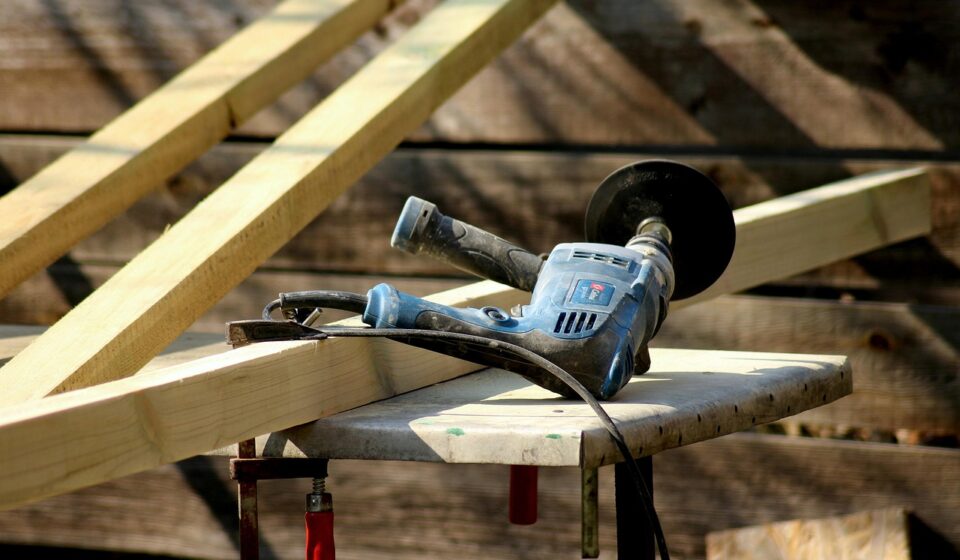
A grinder machine is a machine tool that removes small amounts of material with an abrasive wheel, belt, or disc. In a machine shop, it is usually chosen to improve dimensional accuracy, surface finish, edge geometry, or part-to-part consistency. The buying question is rarely just whether grinding is needed. It is which grinding process fits the workpiece shape, material, tolerance, production volume, and safety requirements. Surface grinders, cylindrical grinders, centerless grinders, tool and cutter grinders, and CNC grinding machines are built for different work. This guide explains where each type fits and what buyers should evaluate before adding grinding capacity to a manufacturing workflow.
What a grinder machine does in manufacturing
Grinding is usually a finishing or semi-finishing process. Instead of cutting with a single-point tool or milling cutter, a grinder machine uses many abrasive grains bonded into a wheel or applied to a belt. Each grain removes a very small chip. This makes grinding useful when a part needs tighter size control, a finer surface, hard material processing, or a precise edge form that is difficult to achieve with turning or milling alone.
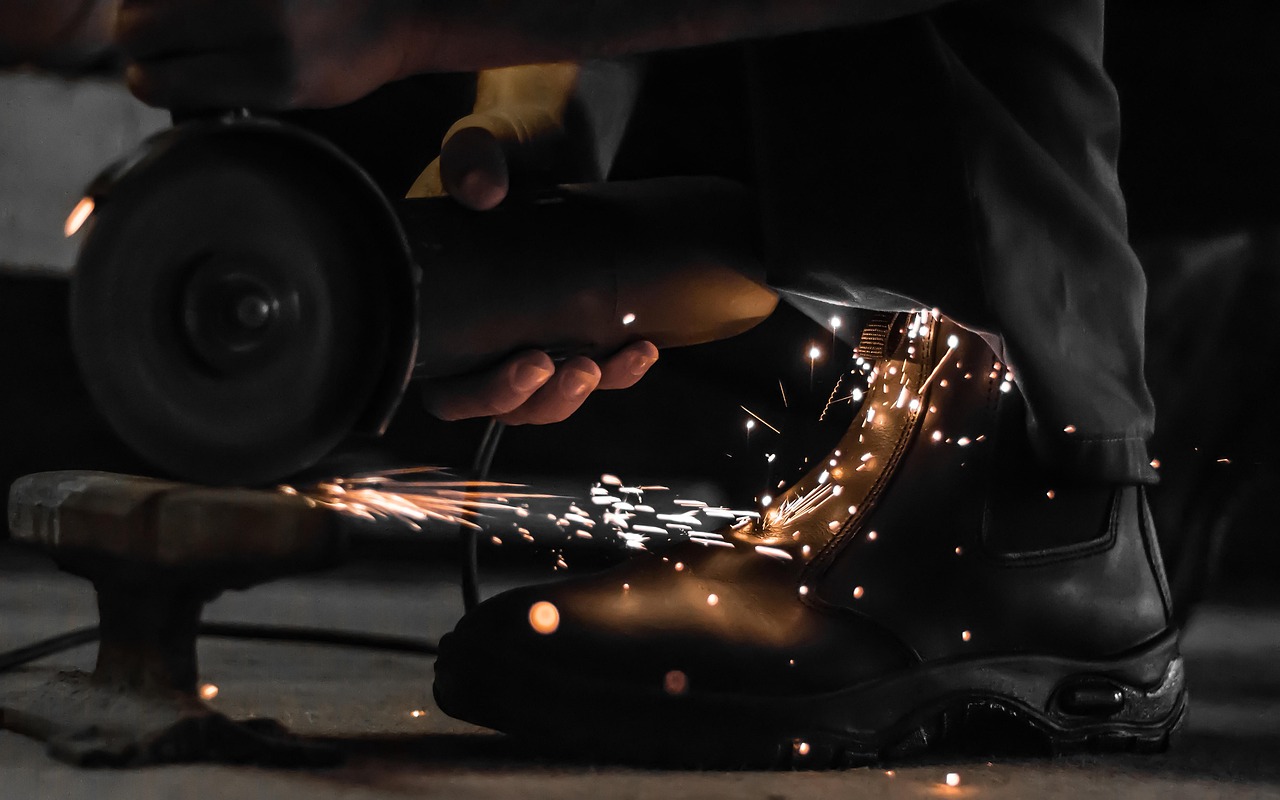
Grinding is common in die and mold work, automotive components, bearings, shafts, cutting tools, fixtures, precision machinery, aerospace parts, and maintenance shops. It can also be used before coating, after heat treatment, or during tool sharpening. In many factories, grinding does not replace milling or turning. It is the process that takes a part from machined to finished.
The process has limits. Grinding can generate heat, burn marks, wheel loading, residual stress, and dimensional errors if the wheel, coolant, dressing method, speed, feed, or workholding is wrong. A grinder machine should therefore be treated as a process system, not just a spindle and table.
Main types of grinder machine and where they fit
The right grinder depends first on part geometry. A flat mold plate, a hardened shaft, a drill bit, and a valve component may all need grinding, but they do not need the same machine design.
Surface grinding machines
Surface grinders create flat, parallel, or angled surfaces. They are common in toolrooms, fixture shops, mold making, and general precision machining. A workpiece is usually held on a magnetic chuck or dedicated fixture while the grinding wheel passes over the surface. Manual surface grinders remain useful for repair and short-run work, while CNC surface grinders improve repeatability for complex profiles or production batches.
Cylindrical grinding machines
Cylindrical grinders handle round parts such as shafts, pins, bushings, rolls, and bearing-related components. External cylindrical grinding works on the outside diameter, while internal grinding handles bores and inner surfaces. These machines are often selected when roundness, concentricity, or fine surface finish is more important than high stock removal.
Centerless grinding machines
Centerless grinders support the workpiece between a grinding wheel, a regulating wheel, and a work rest blade rather than between centers. They are suited to high-volume round parts such as pins, rollers, sleeves, and small shafts. The advantage is productivity: parts can often pass through continuously. The challenge is setup. Blade height, wheel condition, regulating speed, and part geometry must be controlled carefully.
Tool and cutter grinding machines
Tool and cutter grinders are designed for drills, end mills, reamers, form tools, and other cutting tools. In modern shops, CNC tool grinders are important because cutting tool geometries are becoming more complex. A tool grinder may need to control flute shape, clearance angle, rake angle, point geometry, and repeat sharpening accuracy.
Belt, bench, and pedestal grinders
Belt grinders, bench grinders, and pedestal grinders are often used for deburring, rough shaping, sharpening, and maintenance tasks. They are simpler than precision CNC grinders, but they still require proper guarding, wheel speed compatibility, work rests, and operator training. In the United States, OSHA rules for abrasive wheel machinery are especially relevant for these machines.
Manual, semi-automatic, and CNC grinder machines
Manual grinders remain valuable where operators need flexibility, low setup cost, and direct process control. Toolrooms, repair departments, prototype shops, and small-batch manufacturers often keep manual surface or cylindrical grinders because not every grinding job justifies CNC programming.
Semi-automatic machines add features such as powered table movement, automatic downfeed, plunge cycles, coolant control, or digital readouts. They can reduce operator fatigue and improve consistency without the cost or complexity of a full CNC system.
CNC grinder machines are better suited to repeat work, multi-diameter parts, complex profiles, form grinding, tool production, and lights-out or low-attendance production. CNC control can coordinate axes, wheel dressing, compensation, in-process gauging, and recipe management. Industry commentary in recent years has also emphasized automation, data collection, and predictive maintenance as more grinding equipment is connected to broader manufacturing systems.
The trade-off is that CNC grinding requires stronger process planning. Poor wheel selection, weak fixturing, unstable coolant delivery, or bad dressing parameters will not become good simply because the machine is CNC. Automation improves repeatability after the process is understood.
How to choose the right grinder machine
A grinder machine purchase should start with the part family, not the machine brochure. The practical questions come first: what surfaces must be ground, how tight are the tolerances, how hard is the material, how many parts are produced, and how often will the setup change?
| Selection factor | Why it matters | Typical buying implication |
|---|---|---|
| Workpiece shape | Flat, round, internal, external, or tool geometry determines the machine type. | Surface, cylindrical, internal, centerless, or tool grinder. |
| Material and hardness | Hardened steel, carbide, ceramics, and soft metals behave differently during grinding. | Different abrasive, bond, coolant, and wheel speed requirements. |
| Tolerance and finish | Tighter dimensions require stronger machine rigidity, thermal stability, and measurement control. | CNC control, in-process gauging, precision spindle, and better dressing system. |
| Production volume | One-off work favors flexibility; high-volume work favors automation and fast loading. | Manual or semi-automatic for low volume; CNC or centerless for production. |
| Setup frequency | Frequent changeovers can reduce the value of a high-speed production machine. | Look for easy dressing, quick fixturing, stored programs, and accessible controls. |
| Safety and compliance | Grinding wheels can fail if misused, oversped, damaged, or poorly guarded. | Verify guards, interlocks, wheel ratings, work rests, training, and inspection routines. |
Shops comparing equipment should also consider the full cost of operation. Consumables, wheel dressing tools, coolant management, filtration, spare parts, measurement equipment, operator training, and floor space can affect long-term value as much as the purchase price.
For readers comparing grinding with other machine tool processes, the machine tools section provides related context on machining equipment, manufacturing methods, and production decisions.
Grinding wheel, coolant, and dressing considerations
The grinding wheel is central to performance. Wheel selection depends on abrasive type, grain size, grade, structure, bond, wheel shape, and operating speed. Aluminum oxide wheels are widely used for steels and general-purpose grinding. Silicon carbide is often used for non-ferrous metals and some hard, brittle materials. Superabrasives such as diamond and cubic boron nitride are used where the application justifies their cost, such as carbide tooling or hardened ferrous materials.
Dressing restores wheel shape and exposes sharp abrasive grains. A dull or loaded wheel increases heat, burns the workpiece, worsens finish, and can push the part out of tolerance. Dressing frequency depends on the material, wheel, stock removal, surface finish target, and machine stability. CNC grinders often integrate dressing cycles so compensation can be applied automatically.
Coolant also affects grinding quality. It reduces heat, clears chips, limits wheel loading, and helps stabilize the process. Poor coolant delivery can cause thermal damage even when the machine itself is accurate. For precision work, nozzle position, flow, filtration, and coolant concentration should be controlled, not treated as secondary details.
Safety and standards that should shape grinder machine use
Grinding safety deserves attention because abrasive wheels store energy at high rotational speeds. Wheel breakage, sparks, dust, entanglement, and ejected workpieces are real hazards. In the United States, OSHA 29 CFR 1910.215 covers abrasive wheel machinery and includes requirements related to guarding, flanges, work rests, and wheel condition. OSHA’s grinder checklist also highlights practical checks such as wheel speed compatibility and eye or face protection. See also: buying guides.
For stationary grinding machines, ISO 16089:2025 is an international safety standard titled “Machine tools — Safety — Stationary grinding machines.” ANSI B11.9 is the U.S. standard family reference for safety requirements for grinding machines, with reaffirmation activity listed by standards organizations in recent years. These standards are primarily aimed at machine design, safeguarding, operation, maintenance, and risk reduction, but buyers can also use them as a framework when evaluating equipment.
At a shop level, a grinder machine safety review should include these points:
- Confirm that wheel speed ratings are compatible with the machine spindle speed.
- Inspect and sound-test appropriate abrasive wheels before mounting.
- Use guards, flanges, blotters, and work rests as required for the machine type.
- Keep the work rest on offhand grinders properly adjusted and securely clamped.
- Train operators on wheel mounting, dressing, coolant use, personal protective equipment, and emergency stop procedures.
- Control grinding dust, sparks, and coolant mist according to the material and workplace risk assessment.
This article is not a substitute for a formal safety assessment. Local regulations, machine age, wheel type, application, and operator exposure can all change the required safeguards.
Current trends affecting grinder machine decisions
Grinding technology is evolving in the same direction as the broader machine tool sector: more automation, more measurement, and more digital process control. Market reports published in 2025 and 2026 commonly identify CNC grinding, Industry 4.0 features, data analytics, and automation as growth themes. For a shop, the practical value is not the trend label itself. It is the ability to reduce scrap, shorten setup time, monitor wheel condition, and repeat proven grinding recipes.
In-process gauging is one example. Instead of grinding a batch and then measuring every part afterward, some systems measure dimensions during the cycle and compensate automatically. This can help stabilize production when parts are expensive or tolerances are narrow.
Robotic loading is another example. It can improve spindle utilization for repetitive parts, but it requires stable part presentation, reliable fixturing, predictable wheel life, and safe guarding. A robot does not solve unstable grinding conditions; it exposes them faster.
Software is also becoming more important. CNC tool grinders and form grinders may depend on simulation, collision checking, wheel library management, and digital setup sheets. For manufacturers that run many part numbers, documentation and repeatability can be as valuable as raw spindle power.
Common mistakes when evaluating a grinder machine
The first mistake is buying for maximum capability instead of actual part demand. A highly automated CNC grinder may be inefficient if the shop mostly handles one-off repair work. A manual grinder may be too slow if the shop needs repeat production with tight documentation.
The second mistake is underestimating workholding. Grinding often removes very little material, but it demands stability. Weak fixtures, poor magnetic holding, vibration, part deflection, or thermal movement can destroy accuracy.
The third mistake is ignoring consumables. Wheel cost, dressing roll cost, coolant filtration, and maintenance time can change the economics of grinding. A lower-cost machine may become expensive if it consumes wheels quickly or requires constant adjustment.
The fourth mistake is treating safety as an accessory. Guards, interlocks, wheel inspection, training, and documentation should be considered before production starts, not after an incident or audit.
Frequently asked questions
What is the difference between a grinder machine and a milling machine?
A milling machine cuts material with a rotating cutting tool that has defined edges, while a grinder machine removes material with abrasive grains on a wheel, belt, or disc. Milling is usually better for shaping and bulk material removal. Grinding is usually better for fine finish, hard materials, and tight final dimensions.
Is a CNC grinder always better than a manual grinder?
No. CNC grinders are better for repeatability, complex profiles, automated cycles, and production documentation. Manual grinders can be more economical and flexible for toolroom work, repair tasks, prototypes, and low-volume parts.
Which grinder machine is best for shafts?
For precision shafts, an external cylindrical grinder is often the main choice. For high-volume simple round parts, a centerless grinder may be more productive. The best option depends on length, diameter, tolerance, shoulder geometry, and production volume.
Why is dressing important in grinding?
Dressing restores the wheel profile and exposes sharp abrasive grains. Without proper dressing, the wheel can become dull or loaded, which increases heat, reduces accuracy, and worsens surface finish.
What should be checked before operating an abrasive wheel grinder?
Operators should check wheel condition, wheel speed rating, guard position, work rest adjustment, flanges, coolant or spark control, and required personal protective equipment. Machine-specific instructions and applicable safety standards should always be followed.
Conclusion
A grinder machine is most valuable when it is matched to a specific manufacturing need: flatness, roundness, tool geometry, surface finish, hardened material processing, or repeatable production. A sound selection process begins with parts and tolerances, then moves to machine type, wheel system, workholding, coolant, dressing, automation, and safety. For machine shops, grinding capability can raise part quality and expand process options, but only when the machine, consumables, operator skill, and safeguards are treated as one complete system.