How to choose a pellet machine for biomass and feed production
The short answer for buyers
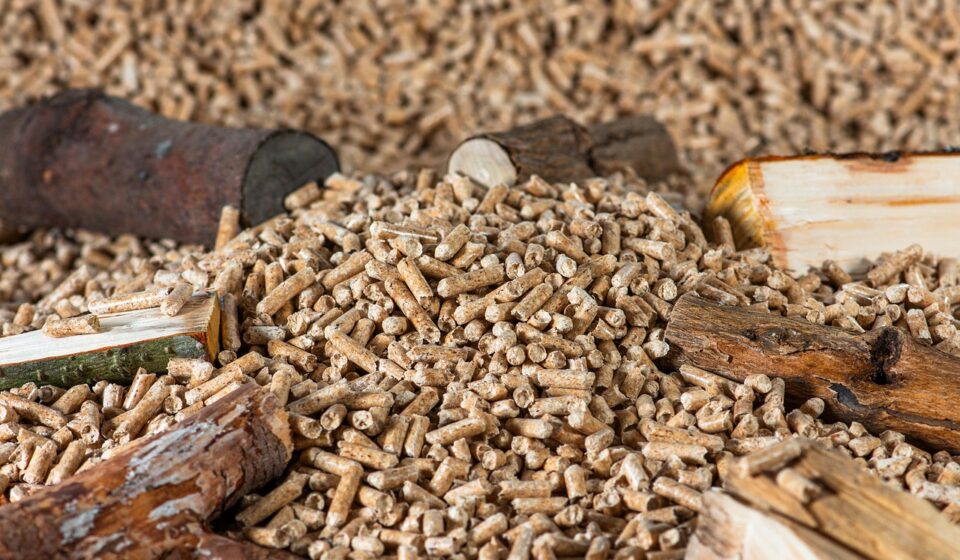
The right pellet machine is the one that fits the raw material, target pellet quality, expected output, and downstream equipment. Motor power and headline capacity are only part of the decision. Buyers should first define whether the line will produce biomass fuel pellets, animal feed pellets, or another compacted product, because each application changes the die, conditioning system, moisture range, cooling requirement, and quality checks.
Market data shows why the choice matters. Bioenergy Europe reported on June 24, 2026 that global wood pellet production reached 53.5 million tonnes in 2025. Feed milling references from the Food and Agriculture Organization also describe pelleting as a process shaped by conditioning, particle size, heat, and moisture. For related equipment topics, visit our machine tools section.
What a pellet machine actually does
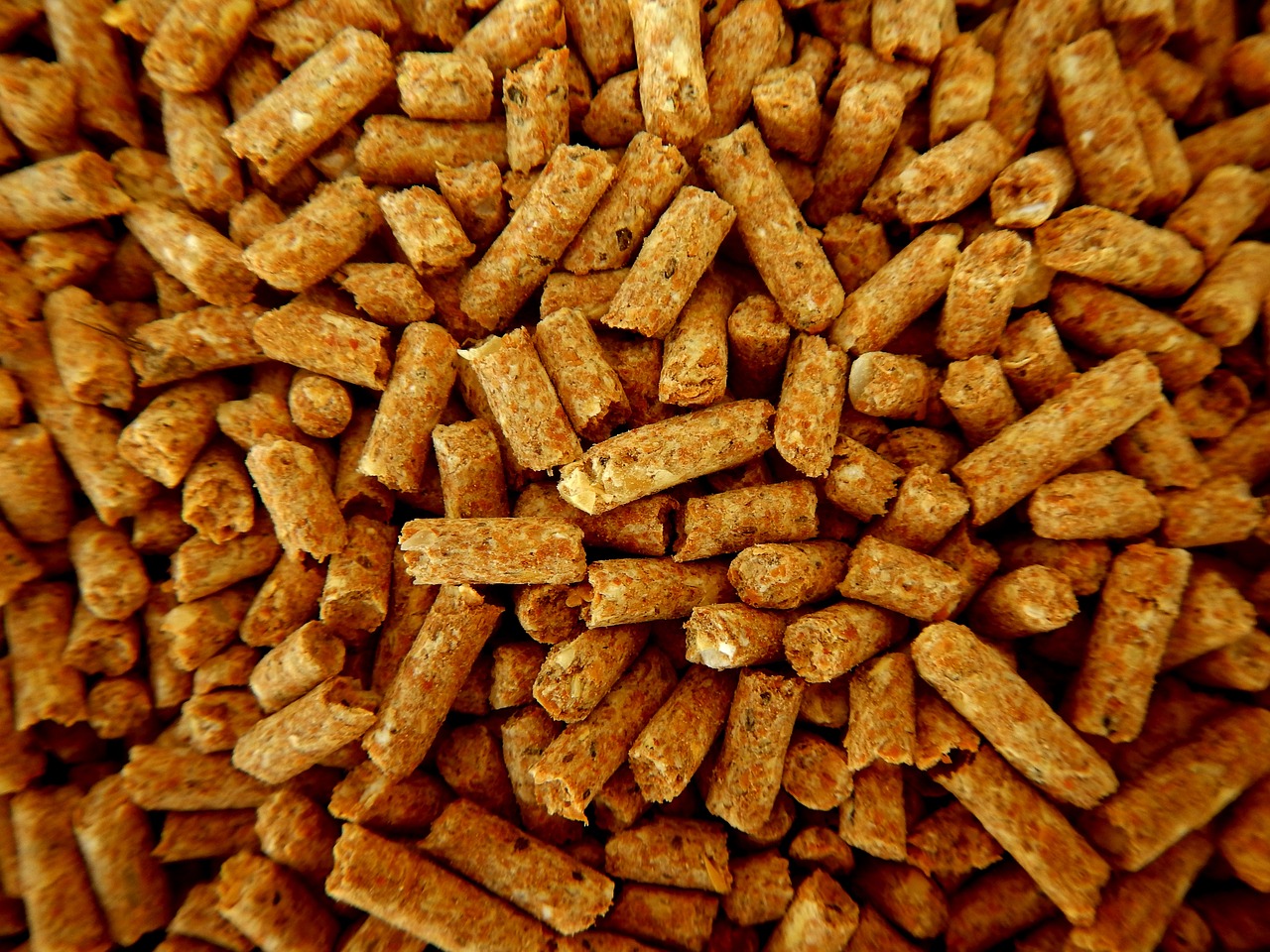
A pellet machine compresses prepared material through die openings, turning loose particles into denser and more uniform cylinders. In a complete pelletizing line, the press is only one part of the process. Grinding reduces particle size, mixing evens out the recipe, conditioning adds heat or moisture where required, the die and rollers form the pellet, and cooling stabilizes the finished product before screening and packing.
The Food and Agriculture Organization describes pelleting as a process that depends on compression, extrusion, and adhesion. In feed applications, steam conditioning can soften particles and improve pellet durability. In biomass applications, natural lignin in wood and some agricultural residues can support binding when the material is dried correctly and heated by friction. The principle is straightforward, but the result is highly sensitive to preparation. A strong press cannot compensate for wet sawdust, oversized chips, uneven feed mix, or poor cooling.
For this reason, many pellet projects fail for reasons beyond the press itself. Problems often start with upstream preparation or downstream handling. Buyers should evaluate the full flow from raw material receiving to finished pellet storage, not only the press frame, motor rating, or die diameter.
Market context makes equipment discipline more important
Pellet demand is no longer a small niche. Bioenergy Europe said its 2026 Pellet Statistical Report showed global wood pellet production of 53.5 million tonnes in 2025, a 10 percent increase from 2024, and global consumption of about 51.5 million tonnes. One year earlier, its 2025 report placed 2024 production at about 48.3 million tonnes. These figures refer to wood pellets, not all pelletized products, but they show that industrial users now operate in a market where consistency, certification, energy cost, and uptime can affect competitiveness.
In the United States, the Energy Information Administration reported that as of January 2026 its densified biomass fuel survey included 73 operating manufacturers with combined annual production capacity of 13.12 million tons. That figure covers densified biomass fuel manufacturers in the survey and underlines a practical point for machinery buyers: installed capacity is only useful when the plant can control feedstock, maintain utilization, manage maintenance, and deliver saleable product quality.
For animal feed, the market logic is different, but the technical discipline is similar. Feed pellets must meet expectations for nutrition, durability, hygiene, and animal performance. FAO feed milling materials note that pelleting can improve handling, bulk density, durability, and acceptability, while quality still depends on conditioning, ingredient composition, particle size, and moisture. A pellet machine should therefore be specified as a process tool, not treated as a stand-alone metalworking asset.
Main pellet machine layouts and where they fit
Flat die pellet machines
Flat die machines use a horizontal or vertical flat die with rollers that press material through holes. They are commonly considered for small production, trials, farms, workshops, and localized biomass use. Their appeal is simple construction, easier access to the die area, and a lower entry cost. The limitation is that smaller machines can be more sensitive to feed consistency, operator skill, and die wear. They are useful when flexibility matters more than continuous industrial throughput.
Ring die pellet machines
Ring die machines use a cylindrical die and roller assembly. They are generally selected for larger feed mills, biomass pellet plants, and continuous production lines. Their advantages usually include higher throughput potential, more stable operation in a properly designed line, and better suitability for automation. The tradeoff is higher equipment cost, more demanding installation, and greater dependence on correct die specification, lubrication, alignment, and maintenance procedures.
Conditioned pelleting and extrusion are not the same
Buyers sometimes compare pellet mills with extruders, especially in aquaculture feed or specialty feed. A conventional pellet machine compacts material mechanically through a die and, in aquaculture contexts, usually produces sinking feed unless formulation and process design create different behavior. Extrusion normally applies more intensive cooking, pressure, and expansion control. The two technologies may overlap in sales discussions, but they are not interchangeable. The choice should follow the product requirement, not the equipment name.
A practical checklist before selecting a pellet machine
- Raw material profile: Record the main material, moisture range, bulk density, oil or fat content, fiber level, ash content, abrasiveness, and seasonal variation. Sawdust, straw, rice husk, poultry feed, cattle feed, and fish feed do not behave the same in the die.
- Target pellet specification: Define diameter, length, durability, fines limit, density, moisture after cooling, and any buyer or regulatory requirement. Biomass fuel pellets may need to align with fuel quality classes, while feed pellets must suit the animal species and feeding equipment.
- Realistic capacity: Ask for capacity based on the exact material, die size, moisture, and finished pellet standard. A capacity claim for softwood sawdust does not prove the same output for straw or high-fiber feed.
- Conditioning needs: Feed applications often need steam conditioning. Some biomass materials require drying rather than added moisture. Conditioning equipment should be sized with the press, not added after the machine has been selected.
- Die and roller design: Hole diameter, effective die thickness, compression behavior, roller surface, and wear material all affect output and pellet quality. For unfamiliar raw materials, trial runs are more reliable than catalog assumptions.
- Cooling and screening: Hot pellets leaving the die are fragile. A cooler and screen help reduce breakage, stabilize moisture, and remove fines before bagging or bulk storage.
- Power and utilities: Check electrical load, steam supply, compressed air, dust collection, and space. The press may be the center of the line, but utilities often determine whether it can run continuously.
- Maintenance access: Dies, rollers, bearings, knives, belts, and lubrication points should be accessible. Downtime can cost more than small differences in purchase price.
Biomass pellets and feed pellets require different priorities
A pellet machine can look similar across industries, but the operating goal changes with the product. The table below summarizes the main differences buyers should discuss before selecting a machine or line layout.
| Selection point | Biomass fuel pellets | Animal feed pellets |
|---|---|---|
| Primary goal | High-density fuel with stable moisture, low fines, and suitable durability | Uniform feed with good durability, palatability, and nutritional consistency |
| Typical materials | Sawdust, shavings, wood chips after grinding, straw, husk, agricultural residues | Ground grains, protein meals, minerals, additives, fats, molasses, binders where appropriate |
| Key process concern | Drying, particle size, ash, abrasiveness, dust control, storage safety | Mixing accuracy, steam conditioning, hygiene, recipe changeover, nutrient protection |
| Quality reference | Fuel specifications such as ISO 17225 series or customer fuel requirements | Feed mill quality procedures, species requirements, and applicable feed safety rules |
| Downstream equipment | Cooler, screener, dust collection, bulk storage, bagging | Cooler, crumbler where needed, screener, coating system, hygienic packing or bulk loading |
ISO 17225-1:2021 sets general specifications and fuel quality classes for solid biofuels. It is relevant to biomass pellet discussions because buyers often need to know whether their finished product can meet a recognized fuel grade. The standard does not select the machine, however. It defines fuel characteristics; the process designer must translate those characteristics into drying, grinding, pelleting, cooling, and quality-control requirements.
Operating variables that decide pellet quality
Moisture and heat
Moisture is one of the most important operating variables. Too little moisture can raise friction, reduce binding, increase energy use, and accelerate die wear. Too much moisture can cause soft pellets, die blockage, poor storage stability, or microbial risk in feed. FAO feed milling references describe feed entering conditioning at roughly air-dry moisture and then reaching a higher moisture and temperature range before compression, followed by cooling and drying. Exact targets should be set by formula, material, and finished product requirement. See also: buying guides.
Particle size and preparation
Grinding affects pellet durability because smaller, more uniform particles create more contact area and reduce weak points inside the pellet. Oversized fibers, bark pieces, bone fragments, or hard contaminants can reduce quality and damage equipment. For biomass lines, magnets, stone removal, and screening are practical protections. For feed lines, grinding must also preserve nutritional and animal-performance goals, so finer is not always automatically better.
Die condition and compression behavior
The die is both a wear part and a process tool. A die that works for one material can perform poorly with another. Dense hardwood, softwood, straw, husk, and high-fat feed formulas may require different die hole geometry and compression behavior. New dies also need proper running-in, while worn dies can change pellet appearance, output, and energy consumption. Buyers should ask whether the supplier can support die selection for the actual material, not only provide standard spare parts.
Cooling, fines, and storage
Pellets are hot and mechanically stressed when they leave the die. Cooling reduces temperature and helps moisture migrate out, but aggressive handling can create fines. A good line balances cooler residence time, airflow, discharge design, screening, and conveying method. In biomass fuel, excessive fines can affect combustion handling and dust risk. In feed, fines can reduce feeding uniformity and may lead to waste or sorting by animals.
Safety, standards, and total cost limits
Safety is not optional in pellet production. OSHA identifies combustible dust as an explosion hazard and lists standards that address aspects of dust-related risk in industrial workplaces. Wood dust, grain dust, and some feed ingredients can create hazardous conditions when fine particles accumulate, disperse in air, and meet an ignition source. A pellet line should therefore be planned with dust collection, housekeeping, explosion-risk assessment, electrical classification where applicable, spark control, and emergency procedures.
Total cost includes more than the purchase price of the pellet machine. Buyers should compare energy consumption, die and roller life, lubricant use, labor, downtime, spare part availability, utility demand, installation work, and product rejection rates. A lower-cost press may be reasonable for short runs or trials, while a more robust line may cost less over time in continuous production. The better comparison is usually cost per tonne of accepted pellets, not cost per machine.
There are also limits to what one machine can do. A pellet press cannot turn contaminated feedstock into certified fuel, cannot replace a dryer when moisture is too high, and cannot maintain feed quality if the mixer produces uneven batches. A stronger purchasing approach is to request a process guarantee tied to defined material and product conditions, supported by trial data where possible.
Frequently asked questions
What size pellet machine should I buy?
Start with the required finished output per hour or per shift, then work backward through drying, grinding, conditioning, cooling, screening, and packing. Choose a machine that can meet the target with your actual material, not only with an easy reference material used in a catalog test.
Can one pellet machine make both biomass pellets and feed pellets?
In some small operations, one press may be used for different materials, but it is rarely ideal without careful cleaning, die changes, and process adjustment. Feed production has hygiene and formulation concerns, while biomass production often creates higher dust and abrasion. Dedicated lines are usually safer and more consistent when commercial quality is required.
Why do pellets crack or produce too many fines?
Common causes include incorrect moisture, poor particle-size distribution, worn die or rollers, insufficient conditioning, weak formulation, excessive handling, or inadequate cooling. The issue should be diagnosed across the full line rather than blamed only on the press.
Is a ring die machine always better than a flat die machine?
No. A ring die machine is usually more suitable for higher-volume continuous production, but a flat die machine may be appropriate for testing, small batches, farm use, or lower capital budgets. The better choice depends on throughput, material, quality requirement, labor skill, and maintenance capability.
What information should I give a supplier before asking for a quote?
Provide raw material type, moisture range, particle size, target pellet diameter, target output, operating hours, available power, steam availability, product standard, and packing method. If the material is unusual, send samples for testing before committing to the machine specification.