What is a planer machine and when should shops use one?
What a planer machine does
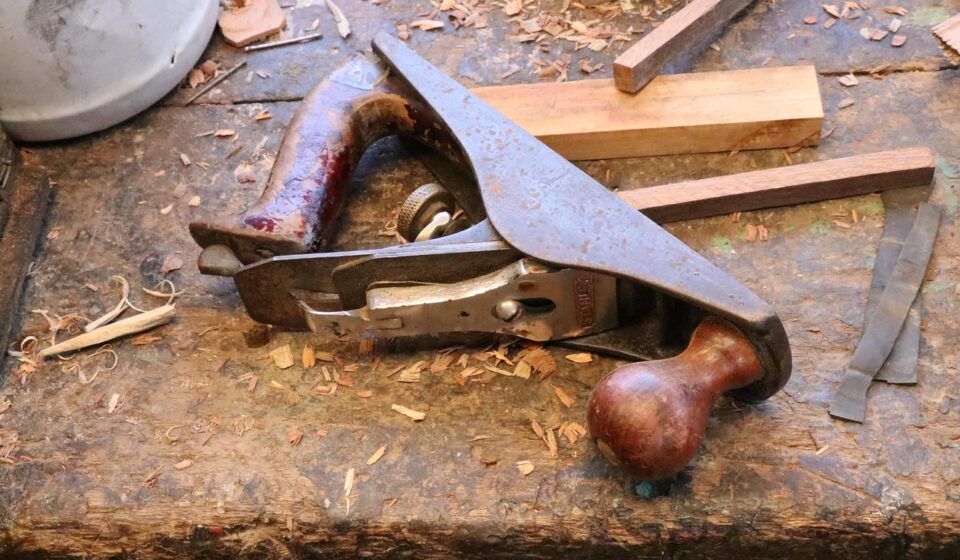
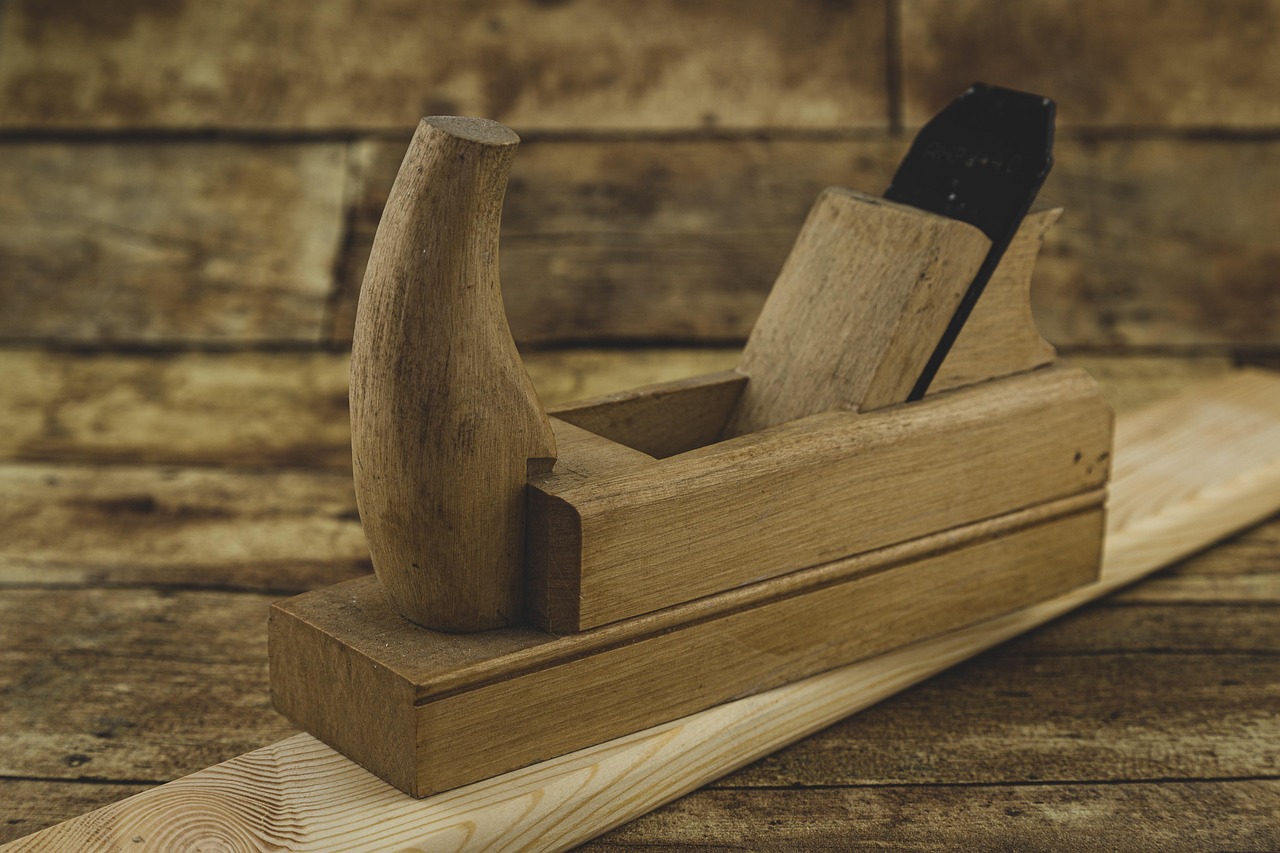
A planer machine is a metalworking machine tool used to machine flat, straight, and sometimes angled surfaces on large or heavy workpieces. It should not be confused with a woodworking thickness planer. In a metal planer, the workpiece moves back and forth on a reciprocating table while one or more single-point cutting tools remove material during the cutting stroke.
Scale is the main reason shops consider a planer. Long beds, large castings, machine frames, guideways, plates, and weldments can be difficult or inefficient to handle on smaller shapers or conventional mills. For readers comparing broader equipment choices, this article fits within the wider machine tools category because planing remains useful for understanding heavy machining, even where modern milling, grinding, and CNC gantry machines now handle many production jobs.
How a planer machine works
The working principle is straightforward, but the machine must be built for high loads. The workpiece is clamped to a long table. The table travels horizontally along the bed, carrying the work past a cutting tool held on a cross rail or tool head. Material is removed on the cutting stroke. On the return stroke, the tool is usually relieved or lifted to avoid unnecessary rubbing. After each stroke, a feed movement shifts the tool slightly so the next pass cuts a new line across the surface.
This reciprocating arrangement is the reverse of a shaper. In a shaper, the tool moves back and forth and the work is generally stationary except for feed. In a planer, the work moves and the tool feeds. That difference explains why planers are associated with larger work: a rigid table can support and move a heavy component over a long distance while the tool head remains comparatively stable.
Main parts of a planer machine
- Bed: The long, rigid foundation that supports the sliding table and absorbs cutting forces.
- Table: The reciprocating platform that carries the workpiece. It usually has T-slots or other clamping features.
- Columns or housings: Vertical structures that support the cross rail and tool heads. Double-housing machines have columns on both sides; open-side machines have support on one side.
- Cross rail: A horizontal member that can often be adjusted vertically to suit work height.
- Tool head: The assembly that holds the cutting tool and provides feed and adjustment.
- Drive and reversing system: The mechanism that moves the table forward and backward while controlling stroke length and speed.
Typical operations
Planers are mainly associated with flat surface generation, but they are not limited to one cut. With suitable tooling and setup, a planer can cut horizontal planes, vertical faces, angular faces, long grooves, slots, and guideway-like surfaces. Some configurations use multiple tool heads so different faces can be machined during the same table stroke. This is useful when large workpieces are costly to reposition and alignment must be maintained.
Planer machine vs shaper vs milling machine
Searchers often compare a planer machine with a shaper or a milling machine because all three can create flat surfaces. The practical difference is not only the cutting method. Work size, required accuracy, setup time, and production rate also matter. Industry training references and long-running machining texts generally describe planers as heavy-duty machines for larger work, shapers as smaller reciprocating machines, and milling machines as more versatile rotary-cutting machines.
| Comparison point | Planer machine | Shaper machine | Milling machine |
|---|---|---|---|
| Main motion | Workpiece reciprocates on the table | Cutting tool reciprocates over the work | Rotating cutter removes material |
| Common work size | Large castings, frames, plates, beds, and long components | Small to medium parts | Small parts to large parts, depending on machine design |
| Tooling | Single-point tools, sometimes multiple heads | Single-point tool | End mills, face mills, slab mills, form cutters, and other rotary tools |
| Strength | Long, flat surfaces and heavy workholding | Simple flat faces, keyways, and repair work on smaller pieces | Versatility, contouring, pockets, slots, and high productivity |
| Limitation | Long idle return stroke and large floor space | Limited work size and productivity | Tooling cost, setup complexity, and machine capacity limits |
In modern shops, milling is often chosen when the part fits the machine envelope and rotary cutters can complete the job efficiently. A planer remains relevant when the work is very long, very heavy, or better handled as a stable table-mounted load. The decision is less about which machine is universally superior and more about matching motion, rigidity, tooling, and part geometry.
Common types of planer machines
Planer machines have been built in several configurations. Names vary by region and manufacturer, but the following categories are widely used in metalworking education and industry references.
Double-housing planer
A double-housing planer has two vertical columns connected by a cross rail above the table. This layout provides support on both sides and is commonly associated with heavy work and wider cuts. Because the cross rail is supported at both ends, the structure is more rigid than an open-side design of similar size. The trade-off is that maximum work width is limited by the distance between the housings.
Open-side planer
An open-side planer has a column or housing on one side only. The open side allows wider workpieces to overhang, which can be useful for plates, frames, or components that are too wide for a double-housing machine. The limitation is rigidity. Setup, tool pressure, and work support must be planned carefully because the structure is less symmetrical.
Pit planer
A pit planer is designed for very large and heavy components. In this arrangement, the table or work support may be set low, sometimes with the machine structure arranged around a pit. The purpose is to handle workpieces that are too tall or heavy for standard table heights. These machines are specialized and are usually found in heavy engineering, repair, and large fabrication environments rather than general job shops.
Planer-type milling machine
A planer-type milling machine should not be confused with a traditional single-point planer. It uses a bridge or planer-like structure but removes material with rotating milling cutters. Many modern heavy machining operations that once might have used planing are now done on planer mills or CNC gantry mills because rotary tools can improve productivity and support more complex machining paths. Even so, the shared frame concept shows why traditional planers remain important in the history and design logic of large machine tools.
When a planer machine is still useful
A planer machine is not the default answer for every flat surface job. It becomes attractive when the workpiece is large, the surface is long, the material removal path is straightforward, and the cost of moving the part between machines is high. In maintenance and repair environments, a planer may also be useful when legacy equipment, large machine beds, or heavy components need straightening, resurfacing, or slotting. See also: buying guides.
- Large work envelope: Long tables can support parts that are awkward on smaller mills or shapers.
- Strong work support: Heavy components can be clamped directly to the reciprocating table, reducing unsupported overhang.
- Simple tooling: Single-point tools are often easier to grind for special profiles, grooves, or surfaces than custom rotary cutters.
- Multiple tool heads: Some planers can machine more than one surface during a pass, reducing repeated setups.
- Repair value: For older machinery and large fabricated structures, planing can be practical when the job is long, straight, and not highly contoured.
The limitations are just as important. The return stroke does not normally cut, so part of each cycle is nonproductive. The machine occupies significant floor space. Workholding must resist table reversal forces. Surface finish and productivity depend heavily on tool geometry, cutting speed, rigidity, and operator setup. For complex shapes, pockets, and three-dimensional contours, a CNC milling machine or machining center is usually a better fit.
Selection factors before buying or using a planer
Because many planers are legacy machines or specialized heavy-duty assets, selection should start with the job rather than the machine name. A shop should define the largest part size, the required flatness or straightness, the material, the amount of stock to remove, available lifting equipment, and the expected frequency of use.
| Factor | Why it matters |
|---|---|
| Table length and width | Determines the maximum workpiece footprint and practical clamping area. |
| Stroke length | Must exceed the machined surface length plus approach and overtravel allowances. |
| Work height under cross rail | Limits tall castings, fixtures, and stacked workholding arrangements. |
| Load capacity | Critical for heavy castings, weldments, and long beds. |
| Number and position of tool heads | Affects whether top, side, angular, or multiple surfaces can be cut efficiently. |
| Condition of ways and drive system | Directly affects accuracy, vibration, table motion, and maintenance cost. |
| Guarding and control condition | Important for safe operation, compliance review, and retrofit planning. |
For a used planer, inspection should include table travel smoothness, backlash, lubrication, alignment, way wear, cross-rail adjustment, feed mechanisms, electrical condition, emergency stopping, and the availability of manuals or drawings. A low purchase price can become expensive if the machine requires way repair, foundation work, control rewiring, or custom guarding before it can be used productively.
Safety and setup considerations
A planer machine combines heavy reciprocating motion, exposed cutting zones, chips, clamps, and stored energy. Safety planning should therefore be specific to the machine and the workpiece. In the United States, OSHA 29 CFR 1910.212 addresses general machine guarding and requires protection from hazards such as point of operation, moving parts, flying chips, and sparks. OSHA 29 CFR 1910.147 covers control of hazardous energy during servicing and maintenance. ANSI B11 machinery safety standards and risk assessment guidance are also commonly used by machine suppliers, integrators, and users when evaluating safeguarding measures.
Those references do not replace a site-specific assessment. A planer may have an unusually long table stroke, older controls, open chip areas, and custom workholding. Guards, barriers, awareness devices, emergency stops, lockout points, and safe-distance practices need to match the actual machine cycle. Operators should also consider the path of table travel, clamp projection, chip flow, coolant, tool clearance, and the possibility of workpiece movement during reversal.
- Confirm that the workpiece is clamped against cutting forces and reversal forces, not just vertical load.
- Keep clamps, stops, and fixtures below or clear of the tool path and cross-rail movement.
- Verify stroke limits before starting the cut, especially after setup changes.
- Use appropriate chip control and eye or face protection based on the material and cut.
- Apply lockout and hazardous energy procedures before maintenance, adjustment inside danger zones, or repair work.
- Train operators on the specific planer, not only on general machining principles.
Frequently asked questions
Is a planer machine the same as a wood planer?
No. A metalworking planer machine uses a reciprocating table and a single-point cutting tool to remove metal from large workpieces. A woodworking planer usually feeds boards past rotating knives to make lumber a consistent thickness. The shared word can cause confusion, so the application and cutting motion should always be checked.
Why use a planer instead of a milling machine?
A planer may be useful when the part is very long or heavy, the surface is mostly straight and flat, and the work can be clamped securely to the table. A milling machine is usually more versatile and productive for smaller parts, complex features, pockets, and contouring. The better choice depends on work size, geometry, tolerance, tooling, and machine availability.
Can a planer machine produce accurate surfaces?
Yes, a well-maintained planer with correct setup, sharp tooling, stable clamping, and controlled cutting conditions can produce accurate flat surfaces. However, accuracy depends on machine condition, foundation, way wear, tool geometry, feed, speed, and operator skill. Older machines should be inspected carefully before precision work.
What materials can be machined on a planer?
Planers are commonly associated with cast iron, steel, and other metals used in machine beds, frames, plates, and large structural components. Actual capability depends on machine rigidity, tool material, horsepower, cutting speed, workholding, and the condition of the drive and ways.
Are planer machines obsolete?
They are less common in new general-purpose production than CNC milling, gantry milling, and grinding equipment, but they are not irrelevant. Planers still help explain heavy machining practice and can remain practical for certain long, flat, heavy, or repair-oriented jobs where their work envelope and simple tooling are advantages.