Appliance maintenance tips for safer and more efficient everyday equipment

What good appliance maintenance actually prevents
Useful appliance maintenance tips should focus on more than keeping equipment looking clean. The practical goal is to reduce avoidable heat buildup, blocked airflow, water leaks, poor temperature control, electrical stress and premature component wear. In everyday use, that means cleaning the parts that move air or water, checking seals and hoses, choosing appropriate settings, and reacting early when performance starts to change.
Most home appliances are small mechanical systems. A refrigerator relies on heat exchange. A dryer relies on airflow. A washer relies on balanced rotation and drainage. An HVAC system relies on clean air movement. When those basics are neglected, the appliance often runs longer, uses more energy and becomes less predictable. The checklist below focuses on tasks that are realistic for homeowners, while keeping routine care separate from work that should be handled by qualified technicians.

Before doing any maintenance, read the manufacturer manual for the specific model. Unplug portable appliances before cleaning them, do not bypass safety devices, and call a professional for gas lines, sealed refrigeration systems, damaged power cords, repeated breaker trips or any sign of smoke, burning odor or electrical arcing.
Use a simple maintenance schedule instead of waiting for failure
A maintenance routine works best when it is tied to frequency. Many appliance problems develop gradually: lint builds up, coils collect dust, gaskets lose contact, hoses age, filters clog and drains slow down. A simple schedule keeps small checks from turning into emergency repairs.
| Frequency | Practical maintenance tasks | Why it matters |
|---|---|---|
| Each use | Clean dryer lint screens, avoid overloaded washer and dryer loads, wipe spills in refrigerators and ovens, and check that appliance doors close fully. | Reduces fire risk, improves airflow, limits odor and helps appliances complete cycles normally. |
| Monthly | Inspect door gaskets, clean dishwasher filters if the model has a removable filter, check washer hoses and drains, and look for dust around vents. | Catches leaks, poor sealing and restricted flow before they affect performance. |
| Every 3 to 6 months | Vacuum accessible refrigerator coils if the manual allows it, clean range hood filters, wash reusable HVAC filters or replace disposable filters as specified, and check appliance leveling. | Supports heat transfer, ventilation and stable mechanical operation. |
| Yearly | Clean or professionally clear dryer vent ducts, schedule HVAC service where appropriate, review appliance recalls by model number, and inspect older hoses, cords and plugs. | Addresses higher-risk items that are easy to forget during everyday cleaning. |
| When performance changes | Investigate longer drying times, unusual vibration, weak cooling, standing water, repeated error codes or new smells. | Performance changes are often early warnings of restricted flow, worn parts or unsafe operation. |
This schedule is intentionally general. Some homes need more frequent attention because of pets, heavy laundry use, hard water, dusty workshops, coastal humidity or older appliances. Treat the manual as the final source for model-specific intervals.
Refrigerator and freezer maintenance
Refrigerators and freezers are easy to ignore because they run quietly in the background. They still deserve regular attention because they affect food safety, energy use and compressor workload.
Control temperature and airflow
Public food safety guidance from the U.S. Food and Drug Administration and FoodSafety.gov states that refrigerators should hold food at 40°F or below and freezers should be at 0°F. A simple appliance thermometer is useful because many built-in controls show a setting number rather than the actual temperature. For energy use, ENERGY STAR guidance commonly recommends refrigerator settings in the mid-to-high 30s Fahrenheit when the appliance can maintain safe temperatures.
Do not pack shelves so tightly that cold air cannot circulate. Overpacking can create warm pockets, especially near the door or behind large containers. Let hot foods cool enough for safe handling, divide large leftovers into shallow containers, and close the door promptly after use.
Check seals, coils and placement
Door gaskets should make even contact all the way around the refrigerator and freezer doors. If a gasket is cracked, loose or dirty, the appliance may run longer to maintain temperature. Clean gaskets with mild soap and water, then dry them so they do not attract debris.
Condenser coils release heat from the refrigeration system. On models where the coils are accessible and the manual permits cleaning, unplug the appliance and gently vacuum dust or use a coil brush designed for the task. Also leave space for ventilation behind or below the unit as the manual specifies. ENERGY STAR advises keeping refrigerators away from heat sources such as ovens, dishwashers and direct sunlight when possible because surrounding heat can increase the cooling load.
Laundry appliances need airflow, water control and balanced loads
Washers and dryers combine moving parts, heat, moisture and fabric debris. Their maintenance needs are straightforward, but neglect can quickly affect safety and cycle performance.
Dryer lint and vent care
The National Fire Protection Association identifies failure to clean dryers as a leading cause of home clothes dryer fires. Clean the lint screen before or after every load, and remove lint that collects around the drum opening. A clean lint screen is important, but it is not enough if the exhaust duct is blocked, crushed or too long for the installation.
Once a year, or sooner if clothes take longer than normal to dry, clean lint from the vent pipe or hire a dryer vent cleaning service. The outdoor vent flap should open when the dryer runs and should not be blocked by snow, leaves, nests or stored items. Use rigid or flexible metal venting material where required by code and manufacturer instructions; plastic or foil-style ducts can be unsafe in many installations.
Washer hoses, drainage and loading
Inspect washer supply hoses for bulges, cracks, corrosion around fittings or dampness at connections. Replace damaged hoses promptly. Make sure the drain hose is secure but not sealed so tightly that it prevents proper drainage or creates siphoning problems. If the washer vibrates heavily, check that it is level and that the load is balanced.
Use the correct detergent type and amount, especially for high-efficiency washers. Too much detergent can leave residue, create odor and make rinsing less effective. For front-load washers, wipe the door gasket and leave the door open when practical so moisture can evaporate. ENERGY STAR notes that much of the energy used in clothes washing is tied to heating water, so cold-water washing can be a practical efficiency choice when it is suitable for the fabric, soil level and detergent.
Dishwashers, cooking appliances and small appliances
Kitchen appliances often lose performance gradually because food soil, grease and mineral deposits build up in hidden areas. Regular cleaning helps protect water flow, heat transfer and electrical components.
Dishwasher filters and spray arms
Many modern dishwashers use removable filters. If the manual shows a filter, remove and rinse it on schedule. A clogged filter can leave grit on dishes, create odor and restrict water movement. Check spray arms for blocked holes and confirm they rotate freely before starting a cycle.
Scrape food from dishes rather than heavily pre-rinsing every item unless the manual or local conditions require it. ENERGY STAR guidance notes that many modern dishwashers are designed to clean dishes that have been scraped, and full loads generally make better use of water and energy. Do not overload racks or block the detergent dispenser, because water must reach surfaces to clean effectively. See also: buying guides.
Ovens, cooktops and ventilation
For ovens and ranges, keep burners, drip pans, oven floors and door seals free of heavy grease. Grease accumulation can smoke, smell and interfere with normal heat distribution. If using a self-cleaning cycle, follow the manual carefully and avoid running it just before guests arrive or when the home cannot be ventilated.
Clean range hood filters regularly. Metal mesh filters can often be washed, while charcoal filters in recirculating hoods usually require replacement. A neglected hood filter reduces capture of cooking fumes and leaves grease near motors, cabinets and walls.
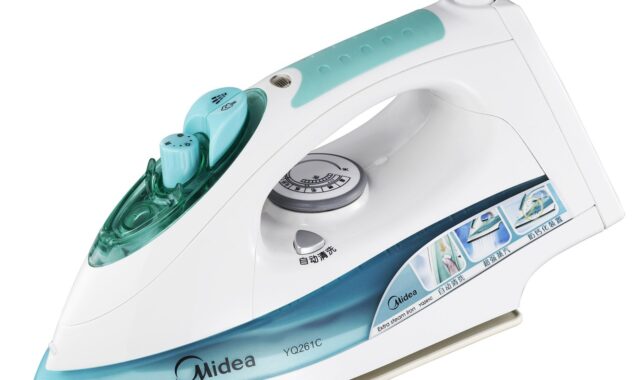
Small appliances need the same basic attention. Empty toaster crumb trays, wipe blender bases without immersing electrical parts, inspect cords for damage and stop using any appliance with exposed wiring, melting, sparking or persistent burning smells. These devices may cost less than major appliances, but their heating elements and cords still need proper care.
HVAC and water-using equipment
Heating, ventilation and air conditioning systems are not always grouped with household appliances, but the maintenance logic is similar: keep air moving, keep heat exchange surfaces clean and respond to abnormal noise or performance changes.
Replace disposable HVAC filters or clean reusable filters according to the equipment manual and household conditions. Homes with pets, renovation dust or high use may need more frequent filter attention. U.S. Department of Energy building science guidance explains that clogged filters reduce airflow, increase run time and add stress to system components. A filter should fit correctly so air does not bypass it around the edges.
Keep supply and return vents open and unobstructed. Do not stack boxes, furniture or rugs over grilles. Outdoor condenser units should have room for airflow and should be kept clear of leaves, grass clippings and debris. Internal service, refrigerant work and electrical repairs should be handled by qualified technicians.
Water-using equipment also benefits from routine checks. EPA WaterSense maintenance guidance emphasizes watching for leaks and choosing efficient replacements when equipment reaches the end of its useful life. Around dishwashers, washing machines, ice makers and water heaters, look for swelling flooring, mineral stains, rust, damp cabinets or musty odor. A slow leak can cause more damage than a sudden failure because it may remain hidden for weeks.
Know when maintenance is no longer enough
Good maintenance does not mean every appliance should be repaired indefinitely. Recurring failures, unavailable parts, unsafe symptoms or poor efficiency may eventually make replacement the more responsible decision. The key is to separate normal upkeep from warning signs.
- Stop using the appliance immediately if you notice smoke, sparks, a burning smell, melted insulation, repeated breaker trips or shock when touching the unit.
- Call a qualified technician for gas odor, suspected refrigerant leaks, sealed-system cooling failures, compressor issues, internal electrical faults or repeated error codes that return after basic troubleshooting.
- Check recall notices through official consumer safety channels using the brand, model and serial number, especially for appliances with overheating, fire, shock or tip-over concerns.
- Compare repair cost with age and use when major parts fail. A lightly used newer appliance may justify a repair, while an old unit with several worn systems may not.
For readers building a broader home or facility checklist, the maintenance tips archive can be used as a starting point for more preventive maintenance topics.
Public guidance reflected in this article includes recommendations from the U.S. Food and Drug Administration, FoodSafety.gov, ENERGY STAR, the National Fire Protection Association, the U.S. Department of Energy and EPA WaterSense. Manufacturer manuals and local codes should still control when they give more specific instructions.
Frequently asked questions
How often should appliances be maintained?
Light maintenance should happen continuously: clean dryer lint every load, wipe spills promptly and avoid overloading machines. Monthly checks are useful for gaskets, hoses, filters and vents. Annual attention is appropriate for dryer ducts, HVAC service and a review of older hoses, plugs and recall information.
Which appliance maintenance task is most often overlooked?
Dryer vent cleaning is one of the most commonly overlooked tasks because the lint screen gives a false sense of completion. If drying time gets longer, the outside vent does not open well or the laundry room feels unusually hot and humid, the exhaust path should be checked.
Should refrigerator coils always be cleaned?
Not always in the same way. Some modern refrigerators have covered or differently located coils, and the manual should be followed. If coils are accessible and cleaning is recommended, removing dust can help heat transfer and reduce unnecessary run time.
Is preventive maintenance worth it for inexpensive appliances?
Yes, but the depth of maintenance should match the appliance. For small appliances, the priority is safe use: keep vents clear, remove crumbs or residue, avoid damaged cords and stop using the device if it overheats or sparks. Complex repair is often not economical, but basic cleaning and inspection still reduce risk.
When should a homeowner avoid DIY appliance repair?
A homeowner should avoid DIY work involving gas connections, internal electrical components, sealed refrigeration systems, damaged cords, refrigerant, complex control boards or any appliance that has produced smoke, sparks or shocks. Routine cleaning is different from repair, and safety should decide the boundary.