Lawn maintenance tips for healthier turf and longer equipment life
Build lawn care around grass growth, not a fixed calendar
Effective lawn maintenance tips start with a simple rule: maintain grass when it is actively growing, and reduce stress when it is not. A lawn does not need the same treatment every week of the year. Mowing height, irrigation, fertilization, aeration, and weed control should change with grass type, weather, soil condition, and equipment condition. For homeowners and property managers, the best routine is not the most aggressive one. It is the routine that keeps turf dense enough to shade soil, recover from traffic, and compete with weeds without wasting water, fertilizer, fuel, or machine life.
Most lawn problems are not caused by one missed mowing. They usually develop from repeated stress: cutting too short, watering shallowly, fertilizing without a soil test, ignoring compaction, or running dull and dirty machinery. A practical maintenance plan should connect plant care with equipment care. The lawn and the machine work as a system.
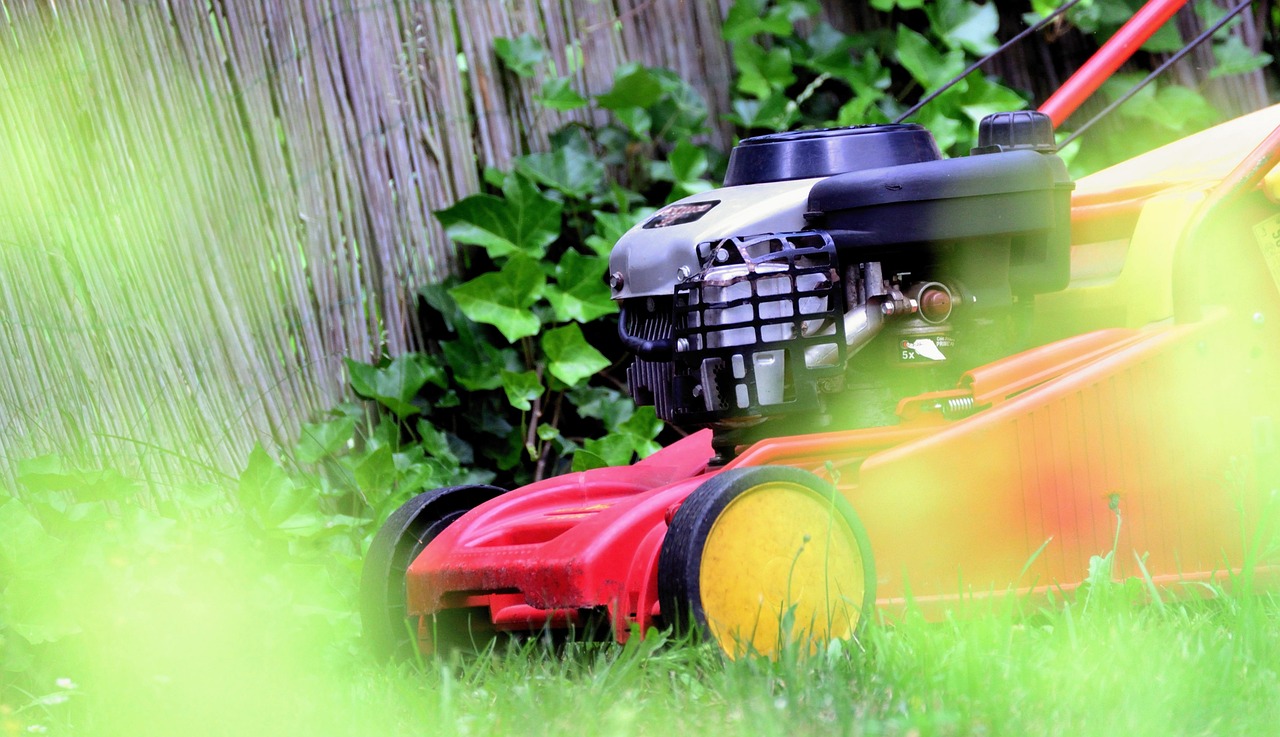
This guide focuses on everyday decisions that improve turf health and reduce unnecessary wear on mowers, trimmers, aerators, and spreaders. For more equipment-focused upkeep ideas, see our maintenance tips section.
Mow high enough and often enough to avoid turf stress
Mowing is the lawn maintenance task most people repeat most often, so small mistakes can add up quickly. University extension turf programs consistently recommend avoiding very low mowing because scalping removes too much leaf area, weakens roots, and leaves soil more exposed to heat and weeds.
The widely used one-third rule is a reliable starting point: remove no more than one-third of the grass blade in a single mowing. If the desired mowing height is 3 inches, mow before the grass grows much above 4.5 inches. When grass has grown too tall after rain, travel, or mower downtime, lower the height gradually over two or more mowings instead of cutting it back all at once.
Match mowing height to grass type and season
Cool-season grasses such as tall fescue, Kentucky bluegrass, perennial ryegrass, and fine fescues often perform better at higher mowing heights, especially during hot or dry periods. Warm-season grasses such as bermudagrass, zoysiagrass, centipedegrass, and St. Augustinegrass have different height ranges, and local extension recommendations should guide the final setting.
As a practical rule for mixed residential lawns, keeping grass slightly taller during summer helps shade the soil surface and reduce moisture stress. Cutting lower may make the lawn look tidy for a few days, but it often increases weed pressure and watering demand later.
Sharp blades are a turf health issue, not just a machine issue
A dull mower blade tears grass instead of cutting it cleanly. Torn tips dry out faster and often give the lawn a gray or brown cast after mowing. Turf disease guidance from university extension programs also emphasizes that clean cuts help grass recover more quickly than ragged cuts.
Inspect the blade edge regularly during the growing season. If the grass tips look shredded, the mower vibrates, or the engine works harder than usual, stop and check the blade, deck buildup, and drive condition. Always disconnect the spark plug wire or power source before servicing a walk-behind mower, and follow the equipment manual for safe lifting, blade removal, and torque settings.
Water deeply, measure output, and avoid routine shallow irrigation
Watering is one of the most misunderstood lawn tasks. The U.S. Environmental Protection Agency’s WaterSense program notes that outdoor water use in the United States is a major daily demand, much of it related to landscape irrigation. That makes lawn watering both a turf issue and a resource issue.
Deep, less frequent watering generally encourages deeper rooting better than frequent light sprinkling. Light daily watering may wet only the surface, encouraging shallow roots and creating conditions that favor some weeds and diseases. The exact amount depends on soil type, grass type, rainfall, heat, and local restrictions, so homeowners should measure rather than guess.
Use a simple sprinkler test
A low-cost way to measure irrigation is to place several straight-sided cans across the sprinkler pattern and run the system until the average water depth reaches about one-half inch. Time the cycle. If some cans collect much more than others, the issue is not watering duration; it is distribution. Nozzle wear, poor pressure, clogged heads, or bad spacing can create dry spots and overwatered areas in the same lawn.
If water begins to run off before the target amount soaks in, split irrigation into shorter cycles with a pause between them. Compacted or sloped lawns often need this cycle-and-soak approach.
Water timing matters
Early morning is usually the most practical irrigation window because wind and evaporation are often lower than midday, while leaves still have time to dry. Late evening watering can keep grass blades wet for long periods overnight. Disease management guidance from university extension sources often warns that prolonged leaf wetness can increase disease risk, especially when temperatures and humidity favor pathogens.
During drought or extreme heat, some cool-season lawns may naturally enter dormancy. Fertilizing, scalping, or heavy traffic during that period can cause more harm than patience. If local water restrictions apply, follow them first and adjust expectations for color until cooler, wetter conditions return.
Feed the soil with tests, clippings, and measured applications
Fertilizer should address a known nutrient need, not serve as a routine reaction to pale turf. Soil testing is the most useful first step because it identifies pH, phosphorus, potassium, lime needs, and other factors that affect nutrient availability. Penn State Extension recommends lawn soil sampling at about 4 inches deep from multiple random locations so the result represents the area rather than one spot.
For established lawns, nitrogen often drives color and growth, but more is not always better. Excess nitrogen can create a flush of top growth that requires more mowing and may increase stress during hot weather. It can also raise the risk of nutrient movement away from the target area if applied before heavy rain or on hard surfaces.
Grasscycling reduces waste and returns nutrients
Leaving clippings on the lawn is one of the simplest lawn maintenance tips with both turf and labor benefits. Penn State research reported that clippings from Kentucky bluegrass contained a substantial share of the nitrogen previously applied as fertilizer over a multi-year period. In practical terms, returning clippings can reduce fertilizer needs when mowing is frequent enough that clumps do not smother the turf.
Clippings are mostly leaf tissue and break down relatively quickly under normal conditions. They are not the main cause of thatch when mowing is done at the right interval. Bag clippings only when the grass is excessively tall, wet enough to clump heavily, or carrying weed seed or disease material that should be removed from the site.
Calibrate spreaders before applying fertilizer
A spreader is a measuring tool, not just a hopper on wheels. Uneven application creates stripes, burns, weak areas, and wasted material. Before fertilizing, check that the gate opens smoothly, the agitator works, tires are inflated evenly, and the pattern is not blocked by buildup. Apply half the target amount in one direction and the other half at a right angle when the product label and spreader design allow it. Sweep granules off pavement back onto the lawn so they do not wash into drains.
Aerate only when compaction is limiting root growth
Core aeration can be very useful, but it should be used for a reason. Heavy foot traffic, pets, construction activity, clay soil, and repeated mowing over the same paths can compact the soil. Compaction reduces pore space, limiting the movement of air and water into the root zone. The result is often thin turf, puddling, runoff, shallow roots, and weeds that tolerate poor soil conditions. See also: buying guides.
Core aeration removes small plugs of soil and creates openings for air, water, and roots. Extension recommendations often suggest aerating cool-season lawns in late summer to early fall, when turf can recover and weed pressure is lower than in spring. Warm-season lawns are usually aerated during active warm-weather growth, not as they are entering dormancy.
Do not aerate at the wrong moisture level
Soil should be moist enough for the machine to pull cores but not so wet that tires and tines smear or compact it further. If the lawn is dry and hard, water deeply a day or two before aeration. If the soil is saturated, wait. Aerating soggy soil can create more structural damage than benefit.
Coordinate aeration with overseeding when appropriate
On thin cool-season lawns, aeration can improve seed-to-soil contact before overseeding. However, overseeding only works when seed selection, timing, irrigation, and traffic control support germination. If the existing problem is deep shade, poor drainage, wrong grass species, or an irrigation failure, seed alone will not solve it. Correct the site limitation first or the repair will be temporary.
Control weeds and pests by improving conditions first
Weed control is often treated as a chemical problem, but many weeds are indicators of maintenance problems. Thin turf, compacted soil, low mowing, poor irrigation coverage, and nutrient imbalance all create openings for weeds. UC Integrated Pest Management guidance emphasizes cultural practices such as proper irrigation, mowing, fertilization, thatch control, and aeration as the foundation of weed management.
A dense, well-adapted lawn is usually the most durable weed prevention tool. Herbicides may have a role when weeds are correctly identified and the product is labeled for the grass species and site. Spraying without diagnosis can damage desirable turf or miss the real issue.
Identify the pattern before choosing a treatment
Look at where the problem appears. Weeds near sidewalks may indicate heat, drought, or compacted edges. Moss may suggest shade, moisture, or low fertility. Crabgrass often fills thin, sunny, disturbed areas. Brown patches may be caused by drought, disease, insects, dog urine, mower scalping, or chemical injury. The treatment differs for each cause.
Before applying a pesticide, confirm the pest, read the entire label, and follow local rules. Avoid blanket applications when spot treatment or cultural correction will work. For homeowners unsure about diagnosis, local cooperative extension offices are often a more reliable source than guessing from images online.
Maintain lawn equipment as part of the lawn maintenance plan
Healthy turf depends on reliable machinery. A mower that starts poorly, cuts unevenly, vibrates, leaks fuel, or leaves clumps can quickly turn good lawn care intentions into turf stress. Preventive maintenance also lowers operating cost by reducing emergency repairs during peak growth periods.
| Equipment item | What to check | Why it matters |
|---|---|---|
| Mower blade | Sharpness, balance, cracks, secure fastening | Clean cuts reduce grass stress, and balanced blades reduce bearing and engine wear |
| Mower deck | Grass buildup, rust, discharge blockage | Airflow under the deck affects cut quality and mulching performance |
| Engine or motor | Oil level, air filter, battery, cooling fins, cords or connectors | Reliable power prevents stalling and overheating during heavy mowing |
| Spreader | Gate movement, calibration, tire pressure, corrosion | Accurate application prevents stripes, burns, and wasted fertilizer |
| Aerator or dethatcher | Tines, belts, guards, bearings, depth settings | Proper penetration improves results and reduces unnecessary machine strain |
Clean machines after use, but avoid forcing water into bearings, electrical components, or hot engine parts. Store fuel according to the equipment manual and local safety rules. At the end of the season, remove debris, stabilize or drain fuel where recommended, charge batteries according to manufacturer instructions, and protect metal surfaces from corrosion.
For battery-powered tools, keep packs out of extreme heat, inspect housings for cracks, and use the correct charger. For corded tools, check insulation and strain relief before operation. For all equipment, guards and discharge shields should remain in place unless the manual provides a specific service procedure.
A practical seasonal lawn maintenance checklist
A seasonal checklist helps keep tasks in the right order without overworking the lawn.
- Early spring: Remove debris, inspect winter damage, service mower blades and filters, test soil if needed, and avoid heavy work on saturated ground.
- Mid to late spring: Mow according to growth, return clippings when practical, manage weeds based on identification, and fertilize only according to grass type and soil needs.
- Summer: Raise mowing height where appropriate, water deeply when irrigation is needed, avoid heavy nitrogen during heat stress, and monitor for disease or insect patterns.
- Late summer to early fall: Aerate compacted cool-season lawns, overseed thin areas if conditions are suitable, and make recovery-focused fertilizer applications where recommended.
- Late fall: Continue mowing until growth stops, clear leaves that smother turf, winterize irrigation where required, and prepare equipment for storage.
The exact timing varies by region. A lawn in Minnesota, Pennsylvania, Georgia, California, or Texas may need a different calendar because grass species and climate differ. The decision process, however, remains the same: observe growth, protect roots, measure inputs, and keep equipment in condition to do accurate work.
Frequently asked questions
How often should I mow my lawn?
Mow according to growth rate, not a fixed weekly habit. During fast spring growth, some lawns need mowing more than once per week to follow the one-third rule. During heat, drought, or dormancy, mowing frequency may drop sharply.
Should I bag or mulch grass clippings?
Mulching is usually better when clippings are short and dry enough to disperse evenly. Bag clippings when they form heavy clumps, when the lawn is overgrown, or when removing weed seed or diseased material is part of a specific management plan.
Is aeration necessary every year?
Not always. Lawns with heavy traffic or compacted soil may benefit from regular core aeration, while lightly used lawns on well-structured soil may not need it annually. Check for hard soil, runoff, shallow rooting, and thinning before scheduling the work.
What is the most common lawn maintenance mistake?
Cutting too short is one of the most common and damaging mistakes. It reduces leaf area, stresses roots, exposes soil to heat and weed germination, and often increases the need for watering and repair.
Why include equipment care in lawn maintenance tips?
Because equipment condition directly affects turf condition. Sharp blades, clean decks, calibrated spreaders, and properly maintained aerators help deliver the intended cut, application rate, and soil treatment. Poorly maintained machinery can damage grass even when the maintenance plan is otherwise sound.