What is a press machine and how do different press types work
What a press machine does in manufacturing
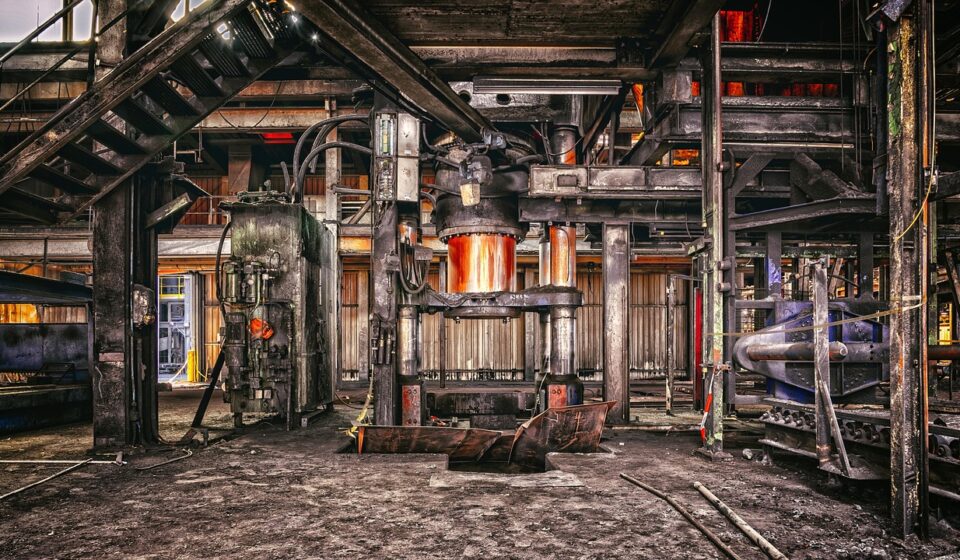
A press machine is a machine tool that applies controlled force to a workpiece through a ram, slide, punch, tool, or die. In metalworking, it is used for blanking, punching, stamping, bending, drawing, forging, compacting, and assembly work. Selecting the right press is not simply a matter of tonnage. A practical decision also depends on force, energy, stroke length, working speed, rigidity, die space, part geometry, automation requirements, and safeguarding. For related equipment and process context, see the machine tools category.
Most industrial press machines belong to one of four drive families: mechanical, hydraulic, pneumatic, and servo. Each converts energy into linear pressing force, but the way that force is generated and controlled determines where the machine performs best. Mechanical presses are commonly used for high-speed stamping. Hydraulic presses are preferred where controlled force through the stroke is important. Pneumatic presses suit lighter-duty pressing and assembly tasks. Servo presses add programmable motion control, which is useful when forming profiles and process monitoring affect part quality.
Main press machine types and where they fit
Mechanical press machines
A mechanical press typically uses a motor, flywheel, clutch, crankshaft, eccentric, or linkage to convert rotary motion into the vertical motion of the slide. Because stored flywheel energy can be released quickly, mechanical presses are widely used for blanking, piercing, coining, shallow forming, and progressive die stamping. They perform best when the operation matches the press’s available force and energy near the designed working portion of the stroke.
The main limitation is flexibility. A conventional mechanical press does not provide maximum force at every point in the stroke, and changing the motion profile is not as straightforward as adjusting a hydraulic or servo system. For repeatable, high-volume parts, however, its speed and mechanical repeatability can make it a strong production choice.
Hydraulic press machines
A hydraulic press uses fluid pressure acting on one or more cylinders. In many forming applications, its key advantage is controllable force and dwell. Educational and engineering references often describe hydraulic presses as capable of applying full force across the working stroke, while mechanical presses reach their rated force only near a specific part of the stroke. This makes hydraulic equipment suitable for deep drawing, forming thicker materials, straightening, molding, compression, and operations that require controlled pressure rather than only fast cycling. (encyclopedia.che.engin.umich.edu)
The usual trade-off is cycle speed and hydraulic-system maintenance. Pumps, valves, seals, hoses, fluid cleanliness, heat management, and leakage control all matter. For low- to medium-volume forming, larger parts, or jobs requiring adjustable pressure and dwell time, those maintenance requirements may be acceptable.
Pneumatic press machines
A pneumatic press uses compressed air to move a ram or actuator. It is generally found in lighter-duty pressing, small punching, marking, staking, inserting, riveting, and assembly operations. Pneumatic presses are usually simpler than hydraulic presses, but compressed air limits practical force. They are best considered for controlled light pressing rather than heavy metal forming.
Servo press machines
A servo press uses a programmable servo motor and drive system to control slide or ram motion. The benefit is not only automation; it is the ability to shape the motion profile. A servo press may slow near forming contact, dwell at a defined position, change speed during the stroke, and capture process data from force and position sensors. Published manufacturing research has described mechanical servo presses as combining elements of hydraulic flexibility with the speed, accuracy, and reliability associated with mechanical presses. (sciencedirect.com)
Servo presses are not automatically the best choice for every shop. They can cost more, require more control expertise, and need careful integration with tooling and safety systems. Their value is strongest when part quality, variable forming curves, energy management, or data-based process control justifies the investment.
Press brakes and special-purpose presses
Press brakes are often discussed with press machines because they also apply force through tooling. Their core task, however, is bending sheet or plate along a line. They are treated separately in many safety and machine classifications. Other special-purpose machines include fine blanking presses, transfer presses, powder compacting presses, forging presses, and extrusion presses. The term “press” is broad; the process and tooling usually define the machine category more precisely than the name alone.
How to compare force, energy, stroke, and rigidity
Press selection becomes clearer when the buyer separates four related but different questions. How much peak force is required? How much working energy is needed through the stroke? How long must the slide travel? How much deflection can the frame and tooling tolerate? ASM Handbook material on sheet forming notes that press selection is influenced by size, force, energy, and speed requirements, and it classifies sheet-forming press construction broadly into gap-frame and straight-side designs. (dl.asminternational.org)
| Selection factor | Why it matters | Common mistake |
|---|---|---|
| Rated force or tonnage | Shows the maximum press force under specified conditions. | Assuming tonnage alone proves the machine can run the die. |
| Energy capacity | Determines whether the press can do work through the forming stroke without stalling or slowing excessively. | Ignoring energy demand in deep drawing or heavy blanking. |
| Stroke length and shut height | Defines die compatibility, part clearance, feed access, and ejection space. | Buying a press that has enough force but not enough die space. |
| Speed and dwell | Affects output, forming behavior, lubrication, heat, and part quality. | Choosing maximum strokes per minute without checking process stability. |
| Frame rigidity | Controls alignment, tool life, burr control, and dimensional repeatability. | Using a flexible frame for precision work or off-center loading. |
| Control and monitoring | Supports repeatability, overload protection, safety circuits, and process data. | Treating controls as optional after the mechanical specification is set. |
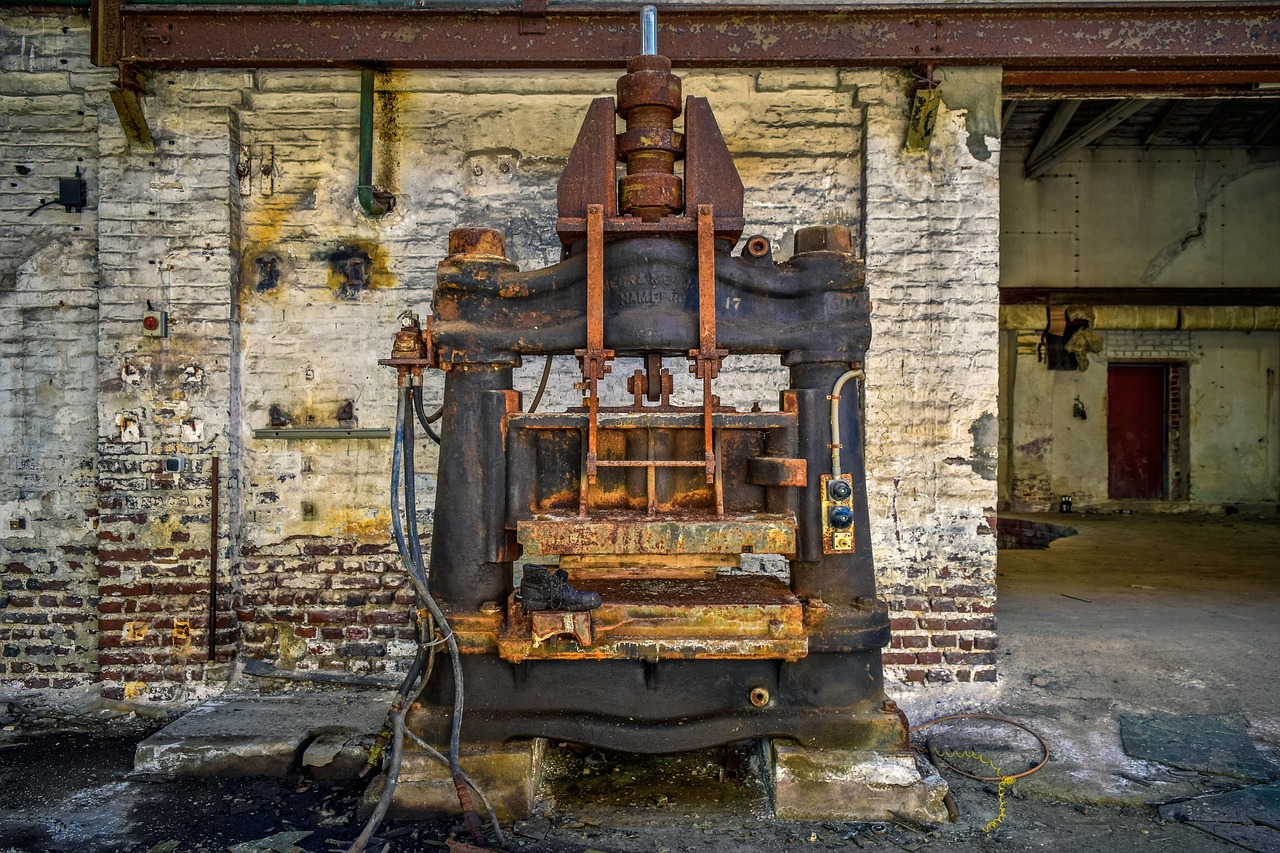
Gap-frame presses provide open access from the front and sides, which helps with manual loading and smaller tooling. The open frame, however, can be more vulnerable to angular deflection under off-center load. Straight-side presses use uprights and a more closed frame, improving rigidity for larger dies, progressive tools, and higher-precision work. For this reason, two presses with similar nominal tonnage may behave very differently under real production load.
Safety and standards shape real press machine decisions
Press machines create significant hazards because the operator, material, tooling, and moving ram meet at the point of operation. In the United States, OSHA’s general machine guarding rule at 29 CFR 1910.212 requires guarding methods to protect operators and other employees from hazards such as point of operation, ingoing nip points, rotating parts, flying chips, and sparks. OSHA’s mechanical power press rule at 29 CFR 1910.217 also addresses point-of-operation guards or properly applied devices for mechanical power press operations. (osha.gov)
Safety is not limited to a guard at the front of the machine. OSHA material on mechanical power presses also refers to inspection of parts, auxiliary equipment, safeguards, clutch/brake mechanisms, antirepeat features, and single-stroke mechanisms. This matters because a press can remain hazardous even when the die area appears guarded if the control system, clutch, brake, feeding equipment, scrap removal, or lockout procedure is weak. (osha.gov) See also: buying guides.
Internationally, ISO 16092-1:2017 sets general safety requirements for presses intended to work cold metal or material partly of cold metal. ISO lists the publication as confirmed in 2023 and shows, as of its 2026 status page, that the standard is to be revised. The same ISO page also explains that specific hazards for different press types are handled in other parts of the ISO 16092 series. (iso.org)
ANSI B11 standards are also important in North American machinery safety discussions. As of September 2026, the ANSI B11 current standards list includes B11.1 for mechanical power presses, B11.2 for hydraulic and pneumatic power presses, B11.3 for power press brakes, B11.19 for performance requirements for risk reduction measures, and B11.26 for functional safety for equipment. These standards help explain why a press purchase should include risk assessment, safeguarding design, validation, operator training, and maintenance planning rather than only a machine quotation. (b11standards.org)
Common applications for press machines
Press machines are used wherever controlled force can shape, separate, or join material more efficiently than cutting material away. In sheet metal work, a press may blank a flat profile, pierce holes, form ribs, emboss features, trim edges, or draw a cup-shaped part. In fabrication, a press brake bends sheet or plate into brackets, enclosures, channels, and structural shapes. In forging, a press deforms heated or cold billets under compressive force. In assembly, smaller presses insert bearings, clinch parts, stake pins, or crimp components.
The tooling often matters as much as the machine. A well-built press with a poorly designed die can produce scrap, overload the frame, damage guides, or create unsafe feeding conditions. Conversely, well-planned tooling can reduce required force, improve material flow, minimize burrs, and make guarding easier. For automated production, coil feeders, straighteners, transfer systems, robots, lubrication systems, scrap conveyors, and part sensors become part of the press system, not accessories to consider after the purchase.
A practical selection checklist
For manufacturers comparing a press machine, the best early question is not “Which press is best?” but “What work must the press and tooling perform safely and repeatedly?” The following checklist keeps the discussion practical:
- Define the process. Separate blanking, bending, drawing, forging, compacting, assembly, and trimming requirements.
- Calculate force and energy. Check material grade, thickness, perimeter, forming depth, friction, and die design.
- Confirm working stroke. Match stroke length, shut height, bed size, slide area, and die cushion needs.
- Check rigidity and alignment. Consider off-center loading, guide design, bolster stiffness, and acceptable deflection.
- Plan the feed method. Manual loading, coil feeding, robotic handling, and transfer systems create different guarding needs.
- Review controls. Look at overload protection, brake monitoring, antirepeat functions, light curtains, two-hand controls, interlocks, and emergency stop layout.
- Assess maintenance capacity. Mechanical, hydraulic, pneumatic, and servo systems require different skills and spare parts.
- Verify applicable standards. Identify OSHA, ANSI, ISO, local regulations, and customer requirements before purchase or retrofit.
- Consider total cost. Include tooling, foundation, power, compressed air or hydraulics, guarding, training, inspection, downtime, and die change time.
This checklist also helps avoid a common procurement error: buying excess tonnage while underestimating tooling, feeding, and safeguarding. A lower-tonnage press correctly matched to the process may produce better parts than a larger machine with poor control of alignment, speed, or die setup.
Frequently asked questions
What is the difference between a press machine and a press brake?
A press machine is a broad category of equipment that applies force to material through tooling. A press brake is a specific type of press used mainly to bend sheet metal or plate along a straight line. Because the hazards and operations differ, press brakes are often treated separately in standards and safety guidance.
Is a hydraulic press better than a mechanical press?
Neither is universally better. A hydraulic press is often preferred when controlled force, long stroke, dwell, or forming flexibility is important. A mechanical press is often preferred for high-speed stamping and repeatable production where the operation fits the machine’s force and energy curve.
Why is rated tonnage not enough for choosing a press machine?
Rated tonnage does not describe the whole job. The press must also have enough energy, bed area, stroke, shut height, rigidity, speed range, control capability, and safe access for the die and feeding method. Two machines with the same nominal tonnage can perform very differently.
What safety features should be considered for a press machine?
Typical considerations include point-of-operation guarding, two-hand controls, light curtains or presence-sensing devices where suitable, interlocked barriers, emergency stops, antirepeat functions, brake monitoring, lockout provisions, die blocks, safe feeding, and regular inspection. The correct combination depends on the machine type and task risk assessment.
When does a servo press make sense?
A servo press makes sense when programmable ram motion, forming profile control, process monitoring, quality consistency, or flexible production justifies the higher control complexity and investment. It is most valuable when those capabilities solve a real production or quality problem rather than serving as a general upgrade label.