How to plan factory machinery for safer and more efficient production
Why factory machinery planning matters before purchase
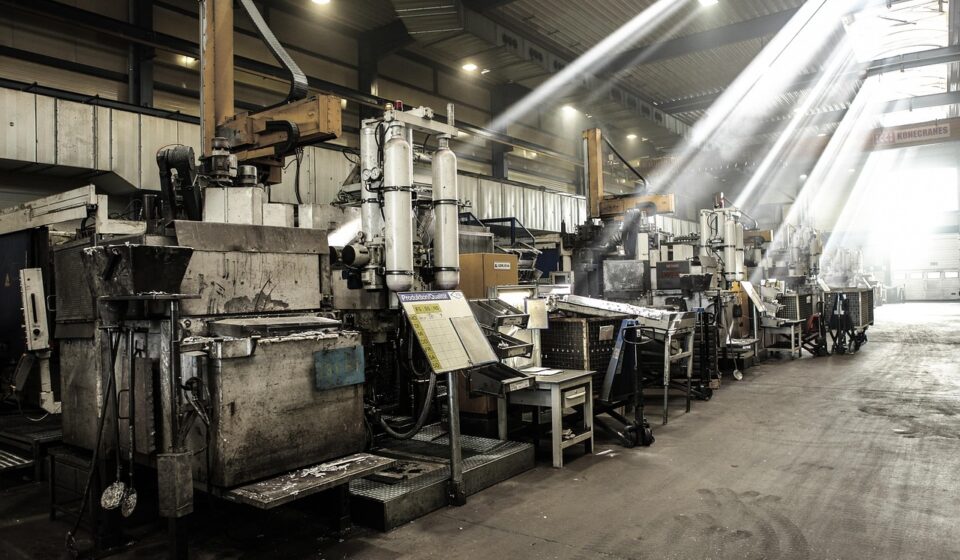
Factory machinery should be specified as part of a production system, not bought as a collection of separate machines. The right choice depends on product mix, process sequence, floor space, utilities, safety requirements, labor skills, maintenance access, energy use, and future capacity needs. A machine with strong rated output can still create bottlenecks if it sits in the wrong workflow or lacks safe access for loading, inspection, tool changes, cleaning, and repair. For manufacturers, the more useful question is not simply which machine runs fastest, but which combination of equipment, layout, controls, and support systems can deliver stable production at an acceptable total cost.
Machinery decisions can affect the building, staffing, energy systems, material handling, quality control, and compliance obligations for many years. Equipment selection should therefore start with production requirements and site constraints before moving to quotations, brands, or automation features. More factory layout and capacity topics can be explored in the factory planning section.
Start with production requirements, not machine specifications
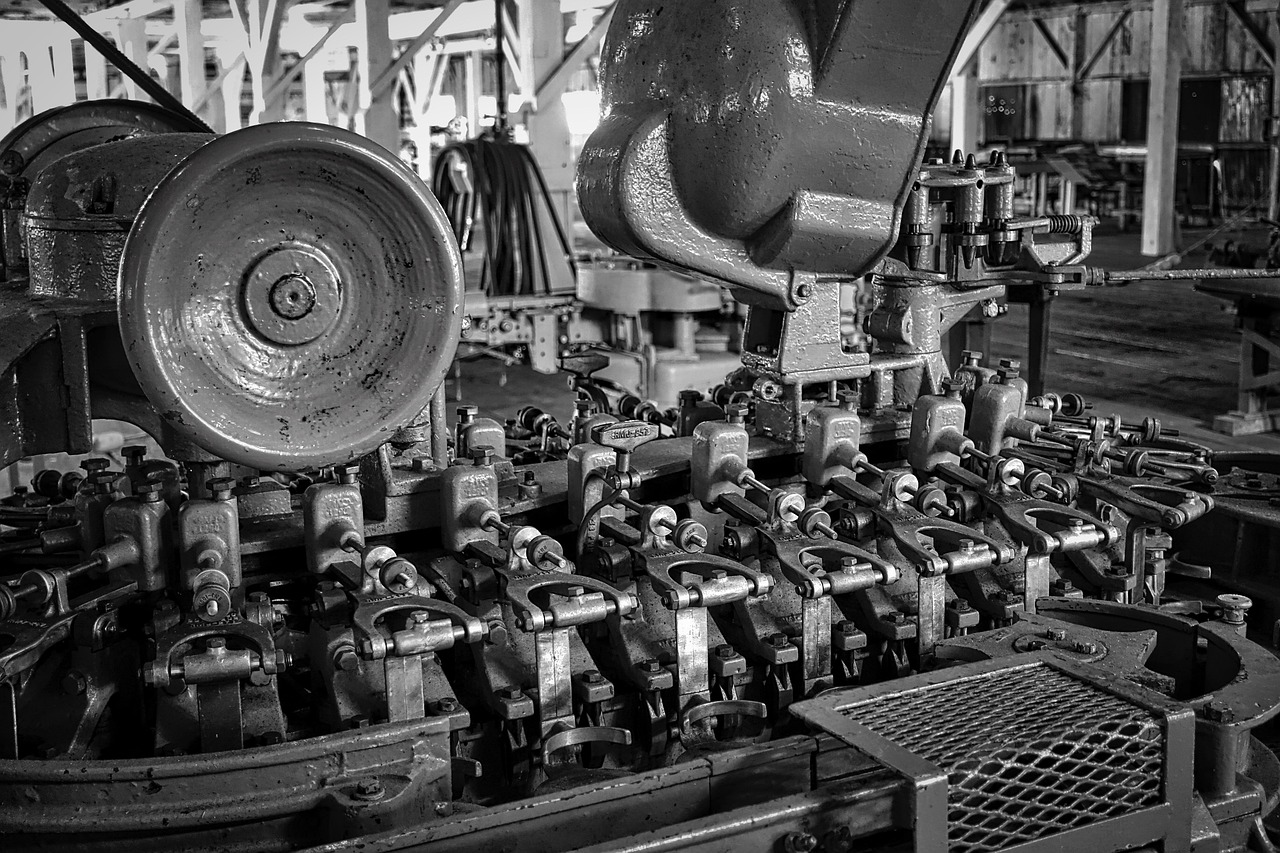
The first step is to define what the factory must produce and under which operating conditions. This includes product dimensions, material type, tolerances, annual volume, batch size, changeover frequency, required uptime, inspection points, and packaging or downstream handling needs. Without this baseline, buyers may compare machine specifications that do not reflect real production demand.
A useful planning method is to map the process from raw material receiving to finished goods dispatch. For each step, identify the operation, expected cycle time, required labor, quality checkpoint, scrap risk, and transfer method to the next process. This shows where factory machinery must be highly automated and where a simpler machine may be more flexible and economical.
For example, a cutting, forming, machining, welding, coating, and assembly line does not need every station to run at the same rated speed. It needs balanced throughput. If one operation requires long inspection or cooling time, adding a faster upstream machine may only increase work-in-process inventory. In many plants, the better investment is a fixture, buffer system, tool management process, or automated handling device that removes the actual constraint.
- Product definition: dimensions, materials, tolerances, surface requirements, and regulatory constraints.
- Volume and mix: annual demand, peak demand, batch size, and expected product changes.
- Process flow: operation sequence, cycle time, handling distance, and inspection requirements.
- Factory constraints: floor loading, ceiling height, power, compressed air, ventilation, drainage, and crane access.
- Operating model: shifts, labor availability, maintenance coverage, spare parts strategy, and operator skill level.
Compare capacity, flexibility, and total cost of ownership
Machine selection often focuses on purchase price, rated capacity, and technical features. Those points matter, but they do not show the full economic picture. A lower-cost machine may become expensive if it needs frequent adjustment, consumes more energy, has limited spare part availability, or relies on manual handling that creates quality variation. A higher-capacity machine can also be a poor fit if demand is uncertain or if upstream and downstream processes cannot keep it fully utilized.
Total cost of ownership should include the machine price, tooling, foundations, installation, training, utilities, guarding, control integration, maintenance, downtime risk, consumables, spare parts, software licenses, and eventual relocation or disposal. For motor-driven equipment such as pumps, fans, compressors, conveyors, mixers, and machine tools, energy use can become a major cost factor over the equipment life. The International Energy Agency has repeatedly identified industrial motor systems as an important area for efficiency improvement, and its recent energy efficiency reporting highlights motor system upgrades as a practical industrial opportunity.
| Planning factor | Question to ask | Why it affects machinery choice |
|---|---|---|
| Rated capacity | Can the machine meet peak demand without starving or overloading nearby processes? | Prevents bottlenecks and unnecessary capital spending. |
| Changeover time | How long does it take to switch products, tools, programs, or fixtures? | Determines suitability for high-mix production. |
| Utility demand | Does the factory have enough power, air, water, extraction, or cooling? | May require building upgrades before installation. |
| Maintenance access | Can technicians safely reach service points without dismantling adjacent equipment? | Reduces downtime and improves safety. |
| Control compatibility | Can the machine exchange data with existing systems if needed? | Supports scheduling, traceability, and performance monitoring. |
When demand is volatile, flexible factory machinery may be more valuable than maximum speed. Modular fixtures, programmable controls, adjustable conveyors, quick-change tooling, and standard spare parts can reduce risk when products or order patterns change. The planning goal is to avoid both under-capacity and locked-in over-specialization.
Design the layout around flow, safety, and service access
Factory machinery layout should reduce unnecessary movement while preserving safe work zones and service space. A compact layout can save floor area, but if it blocks material flow, emergency access, forklift routes, or maintenance work, the factory may lose more time than it saves. Layout planning should therefore combine production flow analysis with safety and maintainability reviews.
Common layout models include process layout, product layout, cellular layout, and hybrid layout. A process layout groups similar machines, such as machining centers or welding stations. It can support high product variety but may increase transport distance. A product layout arranges equipment in the sequence of production, which can improve flow for stable, high-volume products. A cellular layout groups different machines around a part family, often improving visibility and reducing work-in-process. A hybrid layout combines these approaches when no single model fits all products.
Material flow and handling distance
Every transfer between machines adds time, labor, damage risk, and scheduling complexity. Before placing equipment, planners should examine the direction of flow, aisle width, forklift turning radius, conveyor paths, crane coverage, staging areas, and finished goods routes. Heavy or awkward materials should move the shortest practical distance, especially before value has been added.
Maintenance and changeover zones
Maintenance access should be drawn into the layout, not left to chance after installation. Doors, panels, filters, lubrication points, control cabinets, tool magazines, robot cells, and extraction systems all need clearance. Changeover work also requires space for tools, fixtures, gauges, cleaning, and temporary storage. If operators have to climb, reach around guards, or move pallets to complete routine tasks, the layout is not finished.
Noise, dust, heat, and vibration
Some machines create environmental effects that influence placement. Grinding, cutting, polishing, welding, heat treatment, coating, and high-speed rotating equipment may need extraction, guarding, isolation, cooling, fire protection, or vibration control. These requirements should be considered early because they can affect building design, foundation work, and neighboring processes.
Build machine safety into the planning stage
Machine safety should not be treated as an attachment added after commissioning. In the United States, OSHA’s general machine guarding rule, 29 CFR 1910.212, requires one or more methods of machine guarding to protect operators and other employees from hazards such as point of operation, ingoing nip points, rotating parts, flying chips, and sparks. OSHA’s machine guarding materials also connect general requirements with specific machinery rules in 29 CFR Part 1910 Subpart O.
For a broader design method, ISO 12100:2010 sets out general principles for machinery safety, including risk assessment and risk reduction. In planning terms, this means identifying tasks and hazards across the machine life cycle: installation, setup, operation, cleaning, troubleshooting, maintenance, and decommissioning. A machine may appear safe during normal automatic operation but still create significant risk during jam clearing, blade changes, die setting, or sensor adjustment.
Practical safety planning should include: See also: buying guides.
- Documented task-based risk assessment before final layout approval.
- Guarding concepts for normal operation, setup, cleaning, and maintenance.
- Safe access to emergency stops, disconnects, control panels, and service points.
- Lockout and tagout planning for maintenance and energy isolation.
- Clear separation of pedestrians, forklifts, robots, conveyors, and manual workstations.
- Training requirements for operators, technicians, and supervisors.
Safety can also affect productivity. Guards that block required adjustments or make cleaning impractical are more likely to be bypassed. The better approach is to design the process, guarding, access, and operating method together so that safe behavior is also the easiest behavior.
Plan controls, data, and integration before automation
Automation can improve consistency, reduce manual handling, and collect useful production data, but it should be introduced to solve defined process problems. A robot, automatic loader, vision system, or connected machine tool will not automatically fix unstable upstream processes, poor fixtures, unclear quality standards, or weak maintenance practices.
Before adding advanced automation, planners should define what information the factory needs from each machine. Useful data may include cycle count, downtime reason, alarm history, energy use, tool life, temperature, pressure, scrap rate, and batch identity. The National Institute of Standards and Technology has published work on smart manufacturing standards and the digital thread, emphasizing the importance of integration across product, production system, and business information. The practical lesson for factory planners is straightforward: data only creates value when equipment, software, and work procedures can use it consistently.
Control integration should also consider cybersecurity, user permissions, backup procedures, network reliability, and long-term support. A factory that depends on connected factory machinery needs a plan for software updates, spare control components, documentation, and recovery from communication failures. For small and medium-size facilities, it may be better to start with targeted monitoring on bottleneck machines instead of connecting every asset at once.
When automation is most likely to help
- Repetitive loading, unloading, palletizing, or inspection tasks.
- Operations with high ergonomic risk or exposure to heat, fumes, dust, or sharp edges.
- Processes requiring consistent timing, force, speed, or measurement.
- Bottlenecks where downtime data is needed to identify the real cause of lost capacity.
- Traceability requirements that manual records cannot support reliably.
When simpler machinery may be better
Manual or semi-automatic equipment may be more suitable for low-volume, highly customized, or frequently changing products. Simpler machines can reduce training time, spare parts complexity, and troubleshooting risk. The choice should be based on process economics and operational capability, not on a general assumption that more automation is always better.
Use a staged machinery planning checklist
A staged checklist helps prevent expensive omissions. It also gives management, engineering, production, maintenance, safety, purchasing, and finance teams a common basis for discussion. The checklist below is not a substitute for professional engineering or compliance review, but it can guide early decision-making.
- Define output needs. Confirm product families, demand range, quality requirements, and expected life of the process.
- Map the process. Identify each production step, transfer point, inspection point, and likely bottleneck.
- Screen machinery options. Compare capacity, accuracy, changeover, utilities, floor space, controls, and supplier support.
- Estimate total cost. Include installation, tooling, energy, guarding, training, maintenance, software, and downtime risk.
- Review layout. Check material flow, aisles, staging, ergonomics, safety zones, and maintenance clearance.
- Assess safety. Use task-based risk assessment, machine guarding review, and energy isolation planning.
- Plan integration. Decide what data is needed, which systems must connect, and how failures will be handled.
- Validate before purchase. Request layout drawings, utility requirements, sample part trials, acceptance criteria, and documentation.
- Prepare commissioning. Schedule installation, training, spare parts, preventive maintenance, and performance verification.
The strongest machinery plans usually combine quantitative review with shop-floor input. Operators and maintenance technicians often know where jams, access problems, cleaning issues, and quality variation occur. Their feedback can prevent a technically attractive layout from becoming difficult to run.
Frequently asked questions
What is the most important factor when choosing factory machinery?
The most important factor is fit with the full production system. Capacity, accuracy, price, and automation level all matter, but the machine must also match the factory’s workflow, utilities, safety requirements, operator skills, maintenance plan, and future product mix.
How much space should be left around factory machinery?
There is no universal clearance that fits every machine. Space should be based on safe operation, material handling, emergency access, maintenance tasks, guard movement, tool changes, cleaning, and local requirements. Supplier drawings and a task-based safety review should be checked before final placement.
Should a factory automate new machinery from the beginning?
Automation is useful when the process is stable and the problem is clearly defined, such as repetitive handling, quality variation, traceability, or ergonomic risk. If the product mix is changing or the process is not yet proven, modular or semi-automatic machinery may give better flexibility.
How can energy use affect machinery planning?
Energy affects operating cost, electrical capacity, heat load, and sometimes equipment reliability. Motor-driven systems, compressed air equipment, pumps, fans, conveyors, and process heating should be reviewed carefully because small efficiency differences can accumulate over years of operation.
Conclusion
Factory machinery planning is a long-term systems decision. The best result comes from defining production needs first, then comparing equipment by flow, flexibility, total cost, safety, maintainability, energy use, and integration requirements. Public guidance from OSHA, ISO, NIST, and the International Energy Agency points to the same practical lesson: machinery performance is not only a matter of machine speed. It depends on how safely, efficiently, and consistently the whole factory can use the equipment over time.