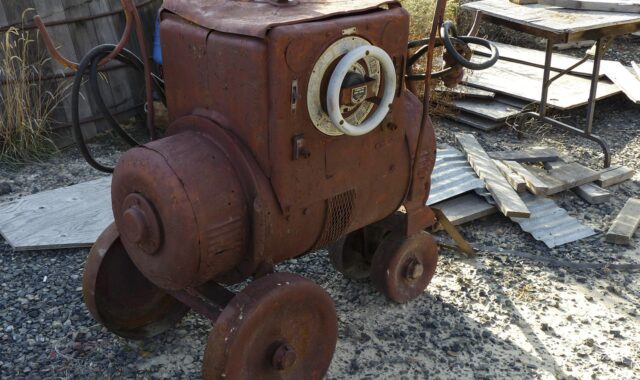
Arc welding machine selection and safety factors for workshops

What an arc welding machine does
An arc welding machine supplies controlled electrical energy to create an arc between an electrode and the workpiece. The arc produces intense localized heat, melts the base metal and, when required, melts filler metal into the joint. Selection is not simply a matter of choosing the highest amperage. A practical choice depends on the welding process, material thickness, duty cycle, input power, mobility, operator skill and the hazards that must be controlled in the shop.
For fabrication and maintenance workshops, the decision should start with the work itself: which metals are being joined, how thick they are, whether the welds are structural or repair-oriented, and whether the job is done at a bench, on large fixtures or in the field. From there, the power source and accessories can be matched to the process instead of forcing one machine into work it was not designed to handle.

How the machine turns electricity into a welding arc
The core function of an arc welding machine is to convert input electricity into an output that can maintain a stable arc. Older machines commonly used transformer-based designs, while many modern machines use inverter electronics to reduce size and improve control. The purpose is the same in both cases: deliver the current and voltage behavior required by the process.
Two output characteristics deserve particular attention. Constant current output is commonly associated with stick welding and TIG welding because it helps hold welding current relatively steady when arc length changes. Constant voltage output is commonly used for wire-fed processes such as MIG/MAG and many flux-cored applications because the wire feed system and voltage setting work together to stabilize arc length.
Amperage is often treated as the main specification, but it is only one part of the setup. Voltage, arc force, open-circuit voltage, wire feed behavior, polarity and shielding method all affect weld quality and usability. A machine that welds thin sheet smoothly may not have the duty cycle or arc characteristics needed for heavy plate. Likewise, a unit that performs well on outdoor stick repair may not be the best choice for high-volume wire welding on production parts.
Match the welding process before comparing models
The term arc welding machine covers several process families. Each uses the same basic principle of an electric arc, but the machine configuration, consumables and shop controls differ.
| Process | Common name | Typical power characteristic | Where it fits | Machine implications |
|---|---|---|---|---|
| SMAW | Stick welding | Constant current | Repair, maintenance, outdoor work and heavier sections | Needs electrode holder, suitable amperage range and stable arc control |
| GMAW | MIG/MAG welding | Constant voltage | Fabrication, production work and repeatable welds on clean material | Needs wire feeder, shielding gas system and wire-size compatibility |
| FCAW | Flux-cored welding | Usually constant voltage | Structural fabrication, thicker material and some outdoor applications | Requires correct polarity, drive rolls and fume control planning |
| GTAW | TIG welding | Constant current | Precision welding, stainless steel, aluminum and thin sections | Needs torch controls, shielding gas and often high-frequency start or lift start |
| SAW | Submerged arc welding | Application dependent | Long, heavy, repeatable welds in mechanized production | Requires flux handling, travel equipment and dedicated production setup |
Stick welding is tolerant of site conditions and simple to set up, but it is slower and requires slag removal. MIG/MAG welding is often easier to learn and fast in production, but it depends on clean material, shielding gas and coordinated settings. TIG welding gives strong control over heat input and weld appearance, yet it is slower and requires more operator skill. Flux-cored welding can deposit metal quickly, but it also calls for careful fume control and correct wire selection.
Before buying, list the process or processes that will actually be used. A multiprocess machine can be valuable, but only if it performs well in the modes that matter most. A shop that mainly welds mild steel frames may value strong wire-feed performance more than advanced TIG features. A repair shop may prioritize stick performance, portability and input power flexibility.
Specifications that deserve attention
Amperage range and material thickness
The amperage range should cover the thinnest and thickest work expected in normal production. Thin sheet needs smooth low-amperage control. Heavier sections need enough current to achieve fusion with the selected joint design and consumable. A high maximum output is not very useful if the machine cannot run steadily at the settings used most often.
Duty cycle
Duty cycle describes how long a machine can weld at a stated output before it needs cooling time, commonly expressed as a percentage of a ten-minute period. For example, a 60 percent duty cycle at a particular current means six minutes of welding followed by four minutes of cooling under the specified test condition. Buyers should compare duty cycle at the amperage they expect to use, not only at the machine’s headline rating.
Input power and site constraints
Input voltage, phase and available breaker capacity can limit machine choice. A small shop with single-phase power may need a different solution than a fabrication plant with three-phase service. Extension cords, generators and long cable runs also affect performance and safety. If work is mobile, confirm generator compatibility and follow the manufacturer’s instructions for input protection.
Polarity, AC and DC capability
Many welding electrodes and wires require a specific polarity. DC output is common for many stick, MIG and TIG applications, while AC capability is important for some aluminum TIG work and certain electrodes. Clear polarity connections help reduce setup errors, especially in shops where multiple operators share equipment.
Control features
Features such as hot start, arc force, inductance control, pulse settings, lift-start TIG and voltage reduction devices can improve usability when applied correctly. They should not be treated as substitutes for procedure control. The right feature set depends on the process, the operator’s experience and the repeatability required by the work.
Safety and compliance factors to build into the decision
Arc welding creates hazards that must be controlled before production begins. OSHA identifies welding-related health hazards such as metal fumes and ultraviolet radiation, along with safety hazards such as burns, eye damage, electric shock and physical injuries. American Welding Society safety materials also emphasize protection from sparks, spatter, radiation, slag, hot metal, fumes, gases and electric shock.
The machine choice affects how these risks are managed. A high-output wire process may generate more fume than occasional low-current repair work. A machine used in damp environments or confined spaces needs stricter electrical and ventilation controls. OSHA’s arc welding and cutting requirements address equipment condition and electrical shock precautions, and OSHA ventilation requirements for welding, cutting and heating make clear that ventilation or respiratory protection may be needed when contaminants can accumulate.
- Electrical safety: Inspect electrode holders, torches, cable insulation, connectors and work clamps before use. Defective equipment should be removed from service until it is repaired or replaced.
- Eye and face protection: Use helmets, shields and filter lenses appropriate for the process and current range. Nearby workers also need protection from arc flash.
- Ventilation: Plan local exhaust, general ventilation or respiratory protection based on materials, coatings, filler metals and work location.
- Fire control: Remove combustibles, control sparks and spatter, and use hot-work procedures where required.
- Training: Operators should understand machine settings, consumable data, polarity, grounding, PPE and emergency shutdown steps.
Safety should be part of the purchase specification, not an afterthought. A low-cost machine can become expensive if weak cooling, poor cable management or unclear controls lead to downtime or setup errors.
Workshop buying checklist
A structured checklist keeps the selection practical. Start with the workpieces, then move toward the machine, accessories and site controls. See also: buying guides.
- Define the base metals: mild steel, stainless steel, aluminum or specialty alloys.
- Record the thickness range: include both routine work and occasional maximum thickness.
- Select the main process: stick, MIG/MAG, flux-cored, TIG or submerged arc.
- Check production rhythm: short repair welds, batch fabrication or continuous production require different duty cycles.
- Confirm power supply: voltage, phase, breaker capacity and generator use if needed.
- Review accessory compatibility: torches, electrode holders, ground clamps, wire feeders, drive rolls, regulators and remote controls.
- Plan fume and fire controls: especially for stainless steel, coated material, confined spaces and high-deposition processes.
- Consider serviceability: availability of consumables, spare parts, fans, boards, connectors and technical support.
Readers comparing machines for fabrication and maintenance work can also browse the machine tools section for related manufacturing topics.
Common selection mistakes
One common mistake is buying only for maximum amperage. Maximum output matters, but a machine that overheats at normal production settings can slow the whole workshop. Compare duty cycle, cooling design and cable capacity along with peak current.
Another mistake is assuming every multiprocess machine performs equally well in every mode. Some units offer excellent stick and MIG performance but only basic TIG functions. Others are designed for precision TIG and light fabrication rather than heavy field repair. Review the primary use case first.
A third mistake is ignoring consumables. Wire diameter, electrode type, shielding gas, contact tips, liners and drive rolls determine whether the machine can actually deliver its rated performance. Poor consumable matching causes feeding problems, unstable arcs, porosity and excessive spatter.
Finally, some shops delay safety planning until after installation. Ventilation, PPE, cable routing, fire watch needs and operator training should be considered before the first weld. This is especially important where welding takes place near machining, painting, storage or assembly operations.
Maintenance practices that protect performance
Arc welding machines work in harsh environments. Grinding dust, metal particles, heat and vibration can shorten equipment life. A basic maintenance schedule should include cleaning air inlets, checking fan operation, inspecting cables and connectors, tightening loose fittings and confirming that controls respond consistently.
Wire-feed systems need special attention. Worn drive rolls, damaged liners and incorrect tension can create erratic feeding that looks like a power-source problem. TIG torches need clean collets, cups and gas passages. Stick leads need sound insulation and firm connections. Poor work-clamp contact can make any process unstable.
Documentation also matters. Keep manuals, electrical ratings, consumable recommendations and inspection records accessible. Where weld quality is critical, maintain qualified welding procedures and operator training records according to the relevant code, customer requirement or internal quality system.
Frequently asked questions
Is an arc welding machine the same as a stick welder?
Not exactly. A stick welder is one type of arc welding machine used for shielded metal arc welding. The broader term also includes machines for MIG/MAG, flux-cored, TIG and other arc welding processes.
What is more important, amperage or duty cycle?
Both matter, but duty cycle is often overlooked. Amperage shows whether the machine can reach the required output. Duty cycle shows whether it can sustain that output long enough for the job without overheating.
Can one machine handle steel, stainless steel and aluminum?
Some machines can handle all three, but the process setup changes. Stainless steel may require specific filler metal and fume controls. Aluminum often needs suitable wire feeding for MIG or AC capability for TIG. Always confirm process capability, accessories and consumables before assuming one machine can cover every material.
Why does ventilation matter if welding is only occasional?
Even occasional welding can create hazardous fumes or gases, especially on coated metals, stainless steel, galvanized material or confined work areas. The need for ventilation depends on the material, process, duration and workspace, not only on how often welding occurs.
Should a small shop choose a multiprocess arc welding machine?
A multiprocess unit can be a practical choice when space, budget and power supply are limited. The shop should still check that the machine performs well in its main process, has adequate duty cycle and supports the accessories needed for daily work.
Source notes
Safety and regulatory statements in this article are based on OSHA welding, cutting and brazing guidance, OSHA arc welding and ventilation requirements, and American Welding Society safety fact sheets. Technical process descriptions are summarized from standard welding practice and manufacturer application guidance. Local regulations, project codes and manufacturer manuals should be checked before equipment selection or use.