Drill machine price guide for shop and factory buyers

What does a drill machine cost?
A realistic drill machine price starts with a basic clarification: what kind of machine is being priced? In a home workshop, “drill machine” may mean an 8-inch bench drill press. In a fabrication shop, it may mean a magnetic drill used on structural steel. In a factory, it may refer to a radial arm drill, tapping drill press or CNC drilling cell. Price examples visible in U.S. manufacturer and distributor listings checked on November 4, 2026 show light bench drill presses around the low hundreds of dollars, mid-range floor models around several hundred to more than one thousand dollars, magnetic drills around the low thousands, and industrial radial drills reaching tens of thousands of dollars.
For broader machine tools purchasing decisions, the sticker price is only part of the comparison. Buyers should also look at capacity, rigidity, spindle power, tooling, safety equipment, freight, electrical work and the expected production duty of the machine.
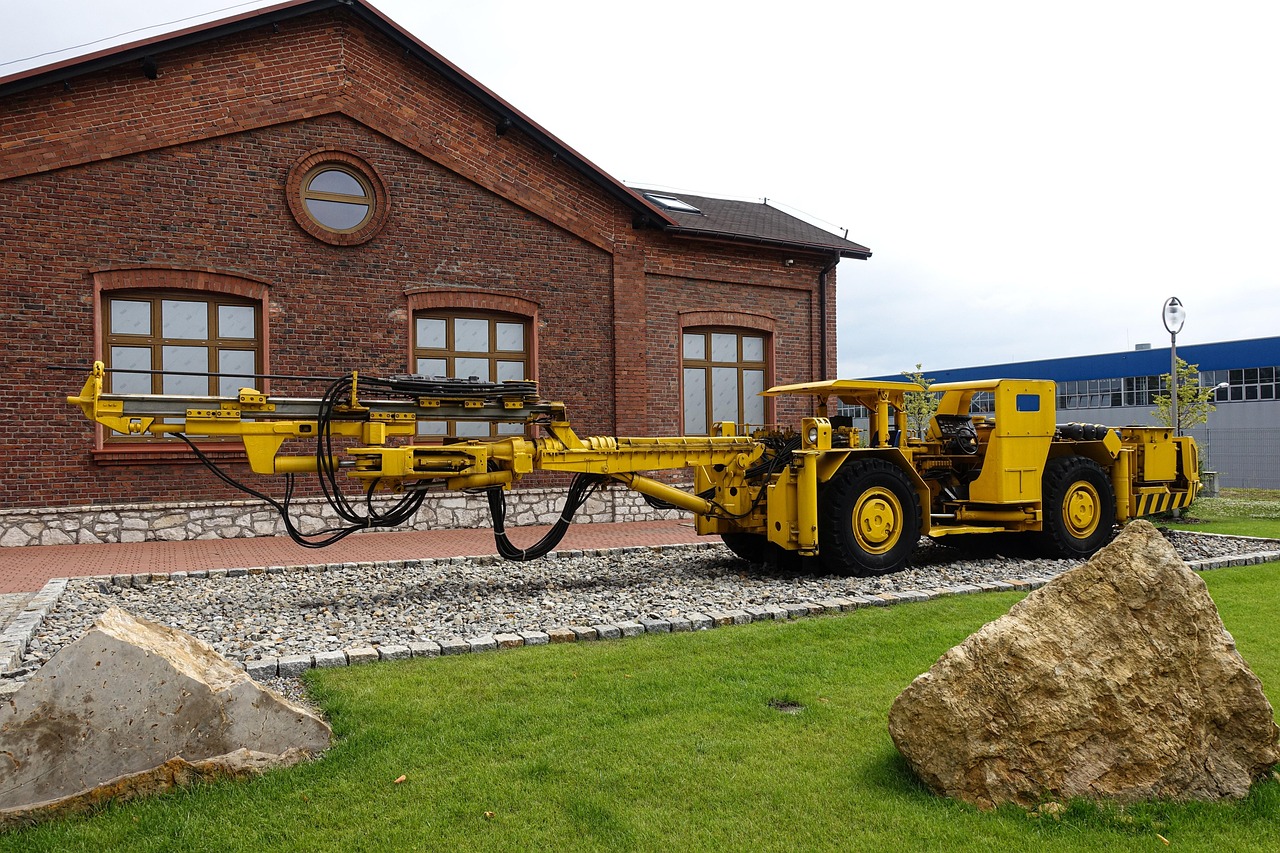
Price ranges by drill machine type
The table below gives practical reference bands for common drilling machines. These are based on public listings and typical market positioning, not fixed quotations. Actual purchase cost will vary by region, voltage, brand, availability, accessories and dealer terms.
| Drill machine type | Typical reference price band | Common use | Main pricing trigger |
|---|---|---|---|
| Small benchtop drill press | About $120-$350 | Light woodworking, plastic, small metal jobs and maintenance benches | Swing, motor size, spindle travel and table quality |
| Mid-range benchtop or floor drill press | About $450-$1,400 | General workshop drilling with larger workpieces and better repeatability | Frame mass, variable speed, quill travel and table support |
| Gearhead or tapping drill press | About $1,800-$6,000 or more | Metalworking, tapping, production maintenance and heavier shop use | Spindle taper, feed control, gearbox, tapping function and motor power |
| Portable magnetic drill | About $900-$2,400 | Steel fabrication, bridge work, field repair and structural drilling | Magnet strength, cutter diameter, depth of cut, swivel base and coolant system |
| Industrial radial drill | About $16,000-$49,000 in observed public listings | Large weldments, plates, castings and oversized parts | Arm length, drilling capacity, hydraulic clamping, spindle taper and machine weight |
| CNC drilling or drilling-tapping system | Usually quote-based | High-volume production, accurate hole patterns and automated machining cells | Axes, spindle count, tool changing, controls, fixturing and automation |
The price spread shows why the machine type must be defined before quotes are compared. A $300 bench drill press and a $30,000 radial drill both make holes, but they are built for very different workloads, workpiece sizes and shop environments.
Why similar drill machines have different prices
Two drill presses with the same advertised swing can still differ sharply in cost. Price follows machine construction, not just headline size. A heavier column, thicker table, wider base and more rigid head casting help reduce vibration and allow the drill to enter the workpiece more consistently. That extra mass raises manufacturing, shipping and handling cost, but in metal applications it may also reduce chatter, broken drills and rework.
Spindle and quill specifications are just as important. Longer spindle travel helps when drilling through box sections, fixtures or thicker plates. A larger chuck capacity or Morse taper spindle expands tooling options. In production shops, these specifications often matter more than convenience features such as a laser guide or work light.
Speed control is another major divider. Entry-level drill presses often use stepped pulleys. They are economical and simple, but changing speed takes time. Mechanical variable speed or VFD-controlled models cost more, yet they make it easier to adjust cutting speed for different materials and drill diameters. Gearhead machines add cost and weight, but they are commonly preferred where low-speed torque and durable metalworking duty are important.
For magnetic drills, the price is driven less by a table or column and more by the magnetic base, cutter capacity, motor design, overload protection and portability. A swivel base, integrated coolant and deeper annular cutter capability can justify a higher price when the tool is used regularly on structural steel.
Market conditions affecting drill machine price
Equipment prices do not move in isolation. The U.S. Bureau of Labor Statistics Producer Price Index for machinery and equipment rose from 193.412 in January 2026 to a preliminary 202.415 in September 2026. The same BLS table showed metals and metal products rising from 362.690 in January 2026 to a preliminary 391.993 in September 2026. These figures do not quote drill machines specifically, but they help explain why machine frames, columns, tables, motors and hardware have faced a firmer cost backdrop.
Demand signals also affect the buying environment. AMT’s U.S. Manufacturing Technology Orders data reported $732.9 million in new metalworking machinery orders for August 2026. Its September 2026 update for July reported $605.8 million in orders and $4.03 billion for the first seven months of 2026, up 37.1% from the same period in 2025. Strong capital equipment demand can limit aggressive discounting, especially for higher-spec machines with limited availability.
The practical takeaway is that online listings should be treated as a starting point, not a final budget. If metals, freight, electrical components or machine tool demand are rising, the delivered price may differ from an older catalog price or a screenshot shared by another buyer.
What to include in the total budget
The purchase price is only one part of a drill machine budget. A low sticker price can become less attractive if the machine needs extra accessories, special freight or immediate upgrades. Before comparing quotes, include these cost items:
- Tooling: drill bits, annular cutters, taps, reamers, countersinks, arbors and replacement chucks.
- Workholding: drill press vise, T-slot clamps, fixture plates, magnetic drill safety chains or custom jigs.
- Measuring and layout: depth stops, digital readouts, center punches, gauges and inspection tools.
- Coolant and chip control: cutting fluid, coolant bottles, chip brushes, guards and collection routines.
- Freight and rigging: liftgate delivery for smaller units, forklift handling or riggers for heavy industrial drills.
- Electrical setup: correct voltage, phase, circuit protection and possible wiring by a qualified electrician.
- Safety and compliance: guarding, emergency stop access, anchoring, operator training and written shop procedures.
- Downtime risk: lead time, spare parts access, warranty support and service availability.
For U.S. workplaces, OSHA’s general machine guarding rule at 29 CFR 1910.212 requires guarding methods to protect operators from hazards such as point of operation, rotating parts, flying chips and sparks. OSHA has also stated that its machine guarding standard applies to drill presses. That does not mean every shop needs the same guard, but it does mean safety cost should not be treated as optional in a professional environment.
How to choose the right price level
A practical buying process starts with the hole, not the machine. Define the largest hole diameter, the thickest material, the hardest material, the accuracy requirement and the expected number of holes per shift. A light-duty bench drill press can be a rational choice for occasional holes in wood or thin aluminum. It becomes the wrong choice if the real job is repeated steel drilling, tapping or fixtured production. See also: buying guides.
For maintenance shops, a mid-range floor drill press often offers a better balance than the cheapest bench model. Additional table travel, higher work height and a heavier base help when handling irregular parts. If the shop frequently drills structural steel in place, a magnetic drill may be more productive than moving large parts to a stationary press.
For fabrication and heavy repair, radial drills remain relevant because the arm can reach large workpieces that are difficult to reposition. Their price is much higher, but the alternative may be slow handling, unsafe setups or outsourcing. In high-volume manufacturing, the comparison changes again: a CNC drilling or drilling-tapping system may cost far more upfront, but it can reduce labor per part and improve repeatability when volume is sufficient.
Buyers should also decide whether used equipment is acceptable. Used drill presses can be attractive when the frame is solid and the spindle is in good condition. However, inspection should cover spindle runout, quill play, table damage, belt or gearbox condition, electrical safety, missing guards, parts availability and whether the machine can be anchored properly. A used machine with hidden wear may cost more than a new mid-range model after repairs.
A simple checklist before requesting quotes
Use this checklist to make drill machine price comparisons more consistent:
- State the machine type: benchtop press, floor press, magnetic drill, radial drill, tapping press or CNC system.
- List material types and maximum hole diameter.
- Specify required spindle travel, throat depth, swing or arm reach.
- Confirm voltage, phase and available floor space.
- Decide whether variable speed, tapping, coolant or power feed is required.
- Ask what is included: chuck, arbor, vise, guards, manual, warranty and freight.
- Request machine weight and shipping method before comparing delivered cost.
- Check whether spare parts and service documentation are available.
- Separate essential features from convenience features.
- Compare total cost of ownership, not only the advertised price.
This approach helps avoid a common purchasing error: buying the lowest-cost machine that technically drills a hole but cannot withstand the real workload. It also helps prevent overbuying an industrial unit when a moderate floor drill press would meet the requirement.
Frequently asked questions
Why is the drill machine price so different between bench and radial models?
A bench drill press is compact, light and designed for small workpieces. A radial drill uses a large column, arm, heavy base and more powerful spindle system so it can reach and drill large parts. The cost difference reflects machine mass, capacity, precision requirements and industrial-duty construction.
Is a variable-speed drill press worth the higher price?
It can be worth it when the operator changes materials or drill sizes often. Variable speed saves setup time and helps match cutting speed to the tool and material. For occasional drilling at similar sizes, a stepped-pulley machine may be adequate.
Should I buy a used drill machine to reduce cost?
Used equipment can reduce upfront cost, but only if the spindle, quill, table, motor, wiring and guarding are in acceptable condition. For professional shops, missing safety equipment, unavailable parts or excessive runout can erase the initial savings.
What is the most important specification after price?
For general drilling, focus on capacity and rigidity: hole diameter in the target material, spindle travel, throat depth or swing, table support and machine weight. For production metalworking, spindle taper, low-speed torque, feed control and workholding options become more important.
Do online prices include the full delivered cost?
Not always. Online prices may exclude freight, liftgate service, rigging, tax, accessories, electrical setup, installation and guarding. For heavier machines, delivered and installed cost can be meaningfully higher than the listed machine price.