Leather manufacturing process from raw hide to finished material
What leather manufacturing does to a hide
Leather manufacturing converts a perishable animal hide or skin into a stable, usable material through a controlled sequence of chemical and mechanical operations. In practical terms, the process must clean the hide, open and prepare its fiber structure, stabilize the collagen through tanning, adjust thickness and softness, add color and handle, and create the surface required for shoes, bags, upholstery, garments or technical goods. The main manufacturing stages are preservation, beamhouse preparation, tanning, post-tanning wet-end work, drying and finishing. For readers comparing material production routes across industries, this sits within the wider field of manufacturing processes.
The raw material is usually a by-product of meat, dairy or wool production rather than a stand-alone primary output. The International Council of Tanners describes common leather raw materials as hides and skins from cattle, buffalo, sheep, goats and pigs, and notes that quality depends on animal health, handling, preservation and slaughterhouse practices. This is important because scars, cuts, branding damage, parasite marks and putrefaction cannot be fully corrected later in the tannery. (leather-council.org)
The main leather manufacturing process flow
Recipes vary by animal species, end use and tannery technology, but most leather manufacturing follows a recognizable process flow. The terminology used by tanners can be technical, yet each stage has a clear production purpose.
| Stage | Main purpose | Typical operations |
|---|---|---|
| Preservation and sorting | Prevent decay before processing and group hides by quality | Cooling, salting, curing, trimming, grading |
| Beamhouse | Clean and open the hide structure | Soaking, liming, unhairing, fleshing, splitting, deliming, bating |
| Tanyard | Convert raw pelt into stable leather | Pickling, chrome tanning, vegetable tanning or alternative tanning |
| Post-tanning wet end | Build color, softness and performance | Shaving, retanning, dyeing, fatliquoring, setting out |
| Drying and finishing | Control moisture, surface, appearance and protection | Vacuum drying, toggling, staking, buffing, coating, embossing, milling |
OECD material on leather processing lists soaking, liming, unhairing, fleshing and splitting as typical early operations, followed by deliming, bating, pickling and tanning in the tanyard. Leather Working Group materials also describe modern leather making as a staged process that moves from hide preparation through pre-tanning, tanning and finishing. (oecd.org)
Preservation and sorting
Fresh hides contain moisture, proteins and fats, so they can deteriorate quickly if they are not cooled, salted or otherwise preserved. Preservation is not just a storage step; it affects yield, surface quality and wastewater load. Salted hides must be rehydrated and washed later, while poorly preserved hides may show hair slip, odor, bacterial damage or weak grain.
Beamhouse preparation
The beamhouse is where the hide is cleaned and structurally prepared. Soaking removes dirt, blood and curing salt while restoring moisture. Liming and unhairing loosen hair and open the collagen fiber network. Fleshing removes adhering tissue from the flesh side, and splitting can divide a thick hide into grain and split layers. Deliming and bating then reduce alkalinity and use controlled enzymatic action to improve softness and grain cleanliness. These steps strongly influence how evenly tanning agents, dyes and lubricants will penetrate.
Tanning
Tanning is the defining conversion step. It stabilizes the collagen so the material resists putrefaction and can be dried without returning to a raw, unstable state. Chrome tanning, vegetable tanning and aldehyde or other chrome-free systems differ in chemistry, process time, color, heat resistance, feel and downstream use. In chrome tanning, wet tanned leather is commonly known as wet blue because of its pale blue color. Vegetable-tanned leather often has a firmer body and warmer natural tone, but it is not automatically lower impact; the full process, water management, chemical controls and product durability all matter.
Post-tanning wet-end work
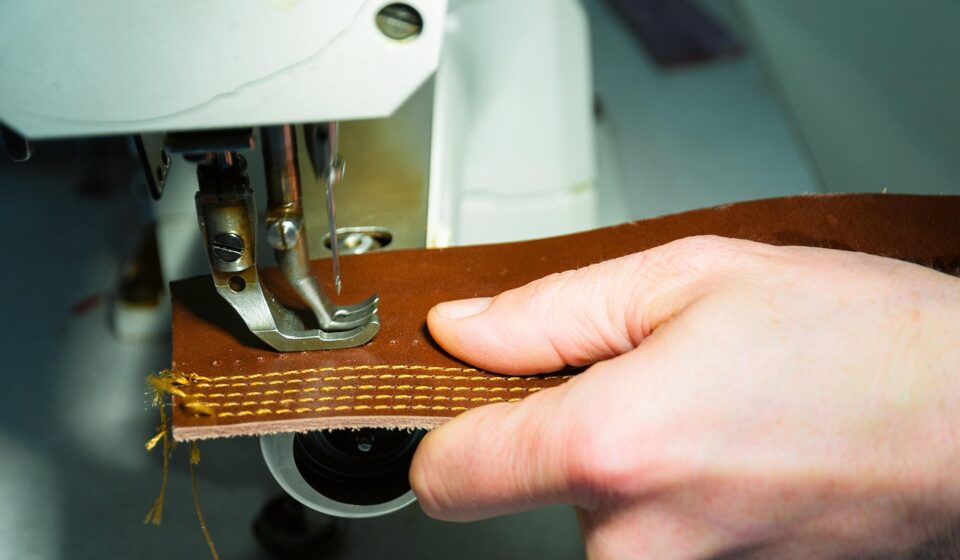
After tanning, leather is still an intermediate material. Shaving brings it to a controlled thickness. Retanning modifies fullness, grain tightness, embossability and break. Dyeing adds color through the cross-section or near the surface, depending on the recipe. Fatliquoring introduces oils and emulsified lubricants so fibers can move without becoming boardy or brittle. This is the stage where a tannery starts tailoring leather for footwear uppers, automotive seating, furniture, saddlery, small leather goods or apparel.
Drying and finishing
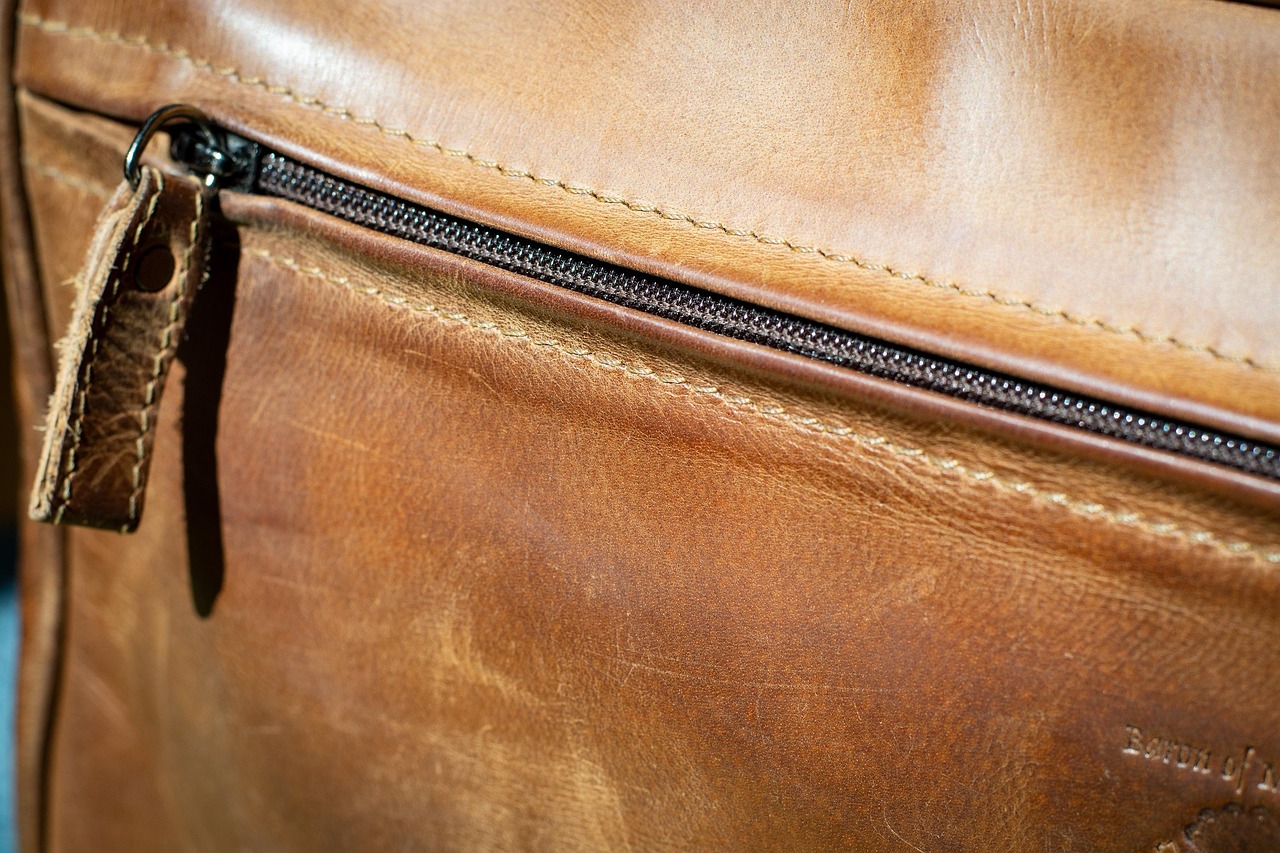
Drying removes water while trying to preserve area yield, flatness and softness. Common mechanical operations include setting out, vacuum drying, hang drying, toggling, staking and milling. Finishing then builds the final surface with combinations of pigments, dyes, binders, waxes, oils, resins, embossing or plating. Finishing can improve abrasion resistance, color uniformity and cleanability, but heavy correction can also reduce the visibility of natural grain. That is why full-grain, corrected-grain, nubuck, suede and coated leathers feel and age differently, even when they begin with similar hides.
Chrome, vegetable and chrome-free tanning compared
No single tanning method is best for every article. Chrome tanning is widely used because it can produce soft, versatile leather with good hydrothermal stability and efficient production times. Vegetable tanning uses plant-derived tannins and is associated with firmness, moldability and a traditional appearance. Chrome-free systems include aldehyde, synthetic, mineral-free and combination processes designed for specific performance or restricted-substance requirements. Leather Working Group classifies chrome-free leather by total chromium content measured on a dry-weight basis under BS EN 15987, while its certification materials also address Chromium VI management. (leatherworkinggroup.com)
| Tanning route | Typical strengths | Manufacturing considerations |
|---|---|---|
| Chrome tanning | Softness, versatility, heat resistance, high throughput | Requires controlled chrome exhaustion, segregation, recovery and Chromium VI prevention |
| Vegetable tanning | Firm body, natural color, tooling and molding behavior | Can take longer and may suit specific leather goods better than soft upholstery or apparel |
| Chrome-free tanning | Useful for restricted-substance policies or special customer specifications | Requires careful validation of shrinkage temperature, colorfastness, aging and end-use performance |
The choice should be tied to the product specification rather than to a broad label. A shoe upper, a belt, a luxury bag panel and an automotive seat cover face different stresses. Engineers and buyers should compare tear strength, flex resistance, colorfastness, fogging, heat aging, rub resistance, softness, thickness tolerance and chemical restrictions before selecting a tanning route.
Quality controls that determine finished leather performance
Leather quality is built gradually. Early-stage hide selection affects usable area and grain appearance. Beamhouse control affects fiber opening and cleanliness. Tanning control affects stability. Wet-end chemistry affects body, color and softness. Finishing affects surface performance and visual consistency. A defect introduced early can sometimes be hidden, but it is rarely eliminated without cost or loss of grade.
- Thickness control: Splitting and shaving help meet tolerances for cutting, sewing, skiving and lamination.
- Moisture control: Drying that is too aggressive can reduce softness, while insufficient drying can create storage and finishing problems.
- pH and chemical balance: Poor neutralization or incompatible chemicals can affect dye uptake, aging and the risk of unwanted reactions.
- Surface uniformity: Buffing, coating and embossing can improve consistency, but they may change breathability, hand feel and repairability.
- Physical testing: Finished leather may be tested for tensile strength, tear strength, flexing endurance, rub fastness, water spotting, adhesion and abrasion, depending on the market.
In manufacturing terms, leather is less uniform than rolled metal, molded plastic or engineered sheet goods because every hide carries biological variation. Good tannery practice is therefore a combination of process control and informed grading. The goal is not to make every hide identical, but to direct each grade toward the best-value application.
Environmental and compliance issues in tannery operations
Leather manufacturing can create significant wastewater and waste-management challenges if process streams are not controlled. The U.S. Environmental Protection Agency has effluent guidelines for leather tanning and finishing under 40 CFR Part 425; the rule was first promulgated in 1974 and later amended in 1977, 1982, 1988 and 1996. The EPA identifies pollutants of concern including chromium in tannery wastewater regulation. (epa.gov) See also: buying guides.
The main environmental pressure points are water use, sulfide from unhairing, high organic load from proteins and fats, salts from preservation and pickling, chromium-bearing streams where chrome tanning is used, sludge handling, finishing emissions and restricted substances. UNIDO guidance on sustainable leather manufacture emphasizes monitoring pollution indicators such as BOD, COD, suspended solids, nitrogen and total dissolved solids, as well as controlling substances such as pentachlorophenol, hexavalent chromium, free formaldehyde and certain aromatic amines. (unido.org)
Chrome management is a particular focus because chrome tanning is common and poorly segregated streams can raise treatment costs. UNIDO describes measures such as high chrome exhaustion, direct recycling of tanning floats and chrome recovery or reuse after precipitation. EPA pretreatment guidance also notes that wastestream segregation can reduce water use, chemical use, pollutant volume and treatment cost. (unido.org)
Air emissions can also matter in finishing. The EPA’s Leather Finishing Operations NESHAP identifies major-source hazardous air pollutants associated with finishing operations, including glycol ethers, toluene and xylene. This is why coating chemistry, solvent substitution, spray efficiency, ventilation and capture systems are part of modern tannery engineering, not just environmental administration. (epa.gov)
Certification systems do not replace legal compliance, but they can create a common audit language for brands and suppliers. Leather Working Group’s leather manufacturer audit standard covers areas such as environmental management, traceability, chemical management, social responsibility, governance and Chromium VI management. For buyers, the practical value is not the certificate alone, but whether the supplier can provide batch traceability, test reports, wastewater controls and corrective-action records that match the product risk. (leatherworkinggroup.com)
What buyers and engineers should specify
A leather specification should describe the intended use before it describes the look. For example, upholstery leather may prioritize abrasion resistance, cleanability, lightfastness and coating adhesion. Footwear upper leather may prioritize flex resistance, tear strength, lasting behavior and water resistance. Leather goods may prioritize grain character, temper, edge finishing and color consistency. Without those end-use requirements, the tannery may optimize for appearance while leaving performance underdefined.
- Animal type, article type and grade expectations
- Thickness range and tolerance
- Tanning route or restricted-substance requirement
- Color standard, colorfastness and acceptable variation
- Finish type, gloss level, embossing and surface protection
- Mechanical performance tests relevant to the end product
- Traceability, chemical compliance and wastewater or audit documentation
- Packing, moisture, mildew prevention and storage conditions
The most useful supplier discussions connect the process route to measurable outcomes. Instead of asking only whether leather is chrome-tanned or vegetable-tanned, ask how the leather performs after flexing, heat aging, wet and dry rubbing, abrasion and cleaning exposure. That gives purchasing teams and product engineers a clearer basis for comparing materials.
Frequently asked questions
What is the difference between tanning and finishing?
Tanning stabilizes the hide’s collagen structure and converts it into leather. Finishing happens later and modifies the surface appearance, color uniformity, feel and protection. A leather can be well tanned but poorly finished, or heavily finished to hide defects.
Is chrome-tanned leather always unsafe?
No. Chrome tanning mainly uses trivalent chromium chemistry, while the major concern in finished leather is preventing and controlling hexavalent chromium formation. Proper process control, oxidation prevention, chemical selection, testing and storage conditions are essential. Regulations, buyer standards and audit programs often focus specifically on Chromium VI risk management.
Why does leather from the same tannery vary from batch to batch?
Natural hides vary by animal, breed, climate, husbandry, slaughter handling and preservation. Tannery controls reduce variation, but they cannot make biological raw materials perfectly uniform. Sorting, grading and clear specifications help manage that variability.
Is vegetable-tanned leather better than chrome-tanned leather?
It depends on the product. Vegetable-tanned leather can be excellent for belts, saddlery and structured leather goods, while chrome-tanned leather is often chosen for soft footwear, garments and upholstery. The better choice is the one that meets durability, safety, appearance and compliance requirements for the intended use.
What is the biggest manufacturing risk in leather production?
There is no single risk for every tannery, but common high-impact risks include poor hide preservation, uncontrolled beamhouse chemistry, uneven tanning penetration, weak wastewater segregation, restricted-substance failures and finishing defects. Each can reduce yield, increase compliance risk or cause product rejection.