Best lawn maintenance tips for healthier turf without overmaintenance

What makes lawn maintenance work
The best lawn maintenance tips are not about doing more work. They are about doing the right work at the right time, based on how the turf is actually growing. A healthy lawn usually depends on six basics: mowing at a suitable height, watering only when the turf needs it, testing soil before adding fertilizer or lime, relieving compaction, watching for pests early, and keeping mowing equipment in good condition.
The right timing depends on grass type, weather, soil, shade, foot traffic, and local rules. For that reason, a fixed calendar is less useful than a simple decision system. For more practical yard and equipment guidance, visit the maintenance tips section.
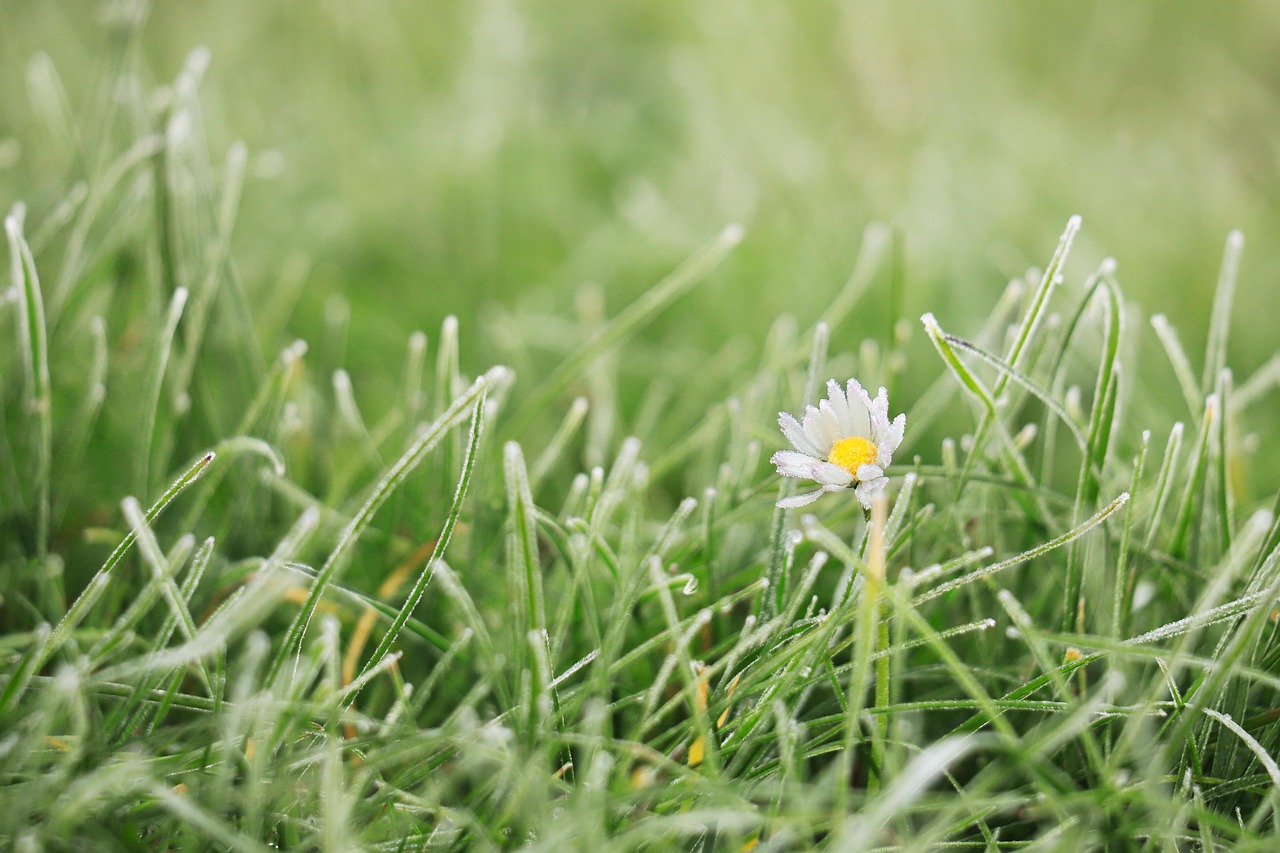
This guide explains how homeowners, grounds teams, and small property managers can keep turf stronger while avoiding common overmaintenance mistakes such as scalping, daily irrigation, unnecessary fertilizer, and dull mower blades.
Start with mowing height, not calendar habit
Mowing is the lawn task most people repeat most often, so small adjustments can have a large effect. University extension turf guidance commonly recommends cutting often enough that no more than one-third of the grass blade is removed at one time. Removing too much leaf tissue stresses the plant, exposes soil to sunlight, and can make it easier for weeds to germinate.
For many cool-season residential lawns, a mowing height around 3 inches or higher is often recommended. Taller turf shades the soil, supports deeper roots, and usually handles heat and dry periods better than closely scalped grass. Warm-season lawns may have different preferred height ranges, so local extension guidance should be checked before changing blade height dramatically.
- Do not mow by habit alone. Mow based on growth rate, not simply because it is the usual mowing day.
- Keep blades sharp. Torn leaf tips lose moisture faster and are more vulnerable to disease pressure.
- Alternate mowing direction. Changing the pattern reduces rutting, repeated compaction, and leaning turf.
- Leave normal clippings in place. Fine clippings decompose and return nutrients to the soil. Bag only when clippings clump heavily, disease debris is a concern, or local rules require removal.
A simple working rule helps: if a lawn is maintained at 3 inches, mow before it reaches about 4.5 inches. That follows the one-third rule without complicated calculations.
Water deeply, measure runoff, and avoid automatic waste
Watering is where many lawns are overmaintained. EPA WaterSense materials note that outdoor water use can rise sharply in summer and that a significant share of irrigation water may be wasted through evaporation, wind drift, or runoff. The goal is not to keep soil constantly wet. It is to supply enough moisture for roots while still allowing air to move through the soil.
In many established lawns, deeper and less frequent watering is better than shallow daily watering. Shallow watering encourages shallow roots, while deeper watering encourages roots to explore the soil profile. Early morning is usually the most efficient time because wind and heat are lower, and the grass has time to dry before night.
- Use the footprint test. If footprints remain visible and grass blades do not spring back, the lawn may be under moisture stress.
- Measure sprinkler output. Place several straight-sided cans on the lawn during irrigation to see how evenly water is being applied.
- Stop when runoff begins. If water flows onto sidewalks or driveways, the soil is receiving water faster than it can absorb it.
- Adjust automatic systems seasonally. A controller setting used in July may waste water in cooler months.
For compacted or sloped soil, cycle-and-soak watering can help. This means running irrigation for a shorter period, pausing to let water infiltrate, and then watering again if needed.
Use soil tests before fertilizer or lime
Fertilizer is useful when turf lacks nutrients, but it is not a cure for every weak lawn. Thin grass may be caused by shade, poor drainage, compaction, low mowing, heat stress, pest damage, unsuitable grass species, or soil pH problems. A soil test helps identify nutrient and pH needs before money and material are wasted.
Extension lawn programs commonly recommend soil testing for phosphorus, potassium, pH, and lime needs. Nitrogen recommendations often depend on grass species, desired maintenance level, clipping removal, and time of year. That is why a single universal fertilizer schedule can be misleading.
- Test before adding lime. Lime changes soil pH and should not be applied simply because the lawn looks weak.
- Avoid phosphorus unless needed. Some areas restrict phosphorus fertilizer because runoff can affect water quality.
- Sweep granules off hard surfaces. Fertilizer left on pavement can wash into storm drains.
- Do not fertilize dormant, drought-stressed turf. Wait until the lawn is actively growing unless local guidance says otherwise.
For many cool-season lawns, late summer to early fall is often a strong window for recovery, overseeding, and nutrient work. Warm-season lawns usually respond better to fertilization during active warm-weather growth. Regional timing matters, so local recommendations should guide the final schedule.
Build a seasonal maintenance rhythm
A season-based plan is more reliable than a fixed monthly checklist because climate varies by region. The table below gives a practical framework that can be adjusted for cool-season or warm-season turf.
| Season | Main lawn task | What to check |
|---|---|---|
| Early spring | Clean debris, inspect turf, service mower | Soft soil, winter damage, dull blades, fuel and oil condition |
| Late spring | Mow based on growth rate | Cutting height, clippings, early weeds, irrigation coverage |
| Summer | Reduce heat and drought stress | Water need, mowing height, runoff, pest symptoms |
| Early fall | Repair thin areas and improve soil contact | Overseeding window, aeration need, soil test results |
| Late fall | Final mowing and leaf management | Heavy leaves, disease risk, mower cleaning |
| Winter or off-season | Maintain equipment and plan improvements | Blade sharpening, belts, filters, storage, drainage projects |
The key seasonal adjustment is growth rate. During cool, wet spring conditions, a lawn may need mowing more than once per week. During drought or dormancy, it may need little or no mowing until growth resumes.
Fix soil and traffic problems before buying more inputs
Compaction limits air and water movement
Compacted soil prevents roots from accessing air, water, and nutrients. It is common near driveways, play areas, gates, and equipment paths. If water puddles, roots remain shallow, or turf thins where people walk, compaction may be part of the problem.
Core aeration can help when soil is actively growing and able to recover. Spike tools may create holes, but core aeration removes plugs and generally provides better relief for compacted turf. See also: buying guides.
Thatch is not the same as clippings
Grass clippings decompose quickly when mowing is frequent. Thatch is a denser layer of stems, roots, and organic material between the green blades and soil surface. A thin layer is normal, but excessive thatch can limit water movement and create pest or disease problems.
Before dethatching, confirm that the layer is actually excessive. Unnecessary aggressive dethatching can damage healthy turf.
Bare spots need seed-to-soil contact
Throwing seed onto hard, dry ground rarely works well. Bare spot repair needs loosened soil, suitable seed, steady moisture during germination, and protection from traffic. For cool-season lawns, early fall is often favorable because soil is still warm and weed pressure is lower than in spring. For warm-season lawns, establishment usually aligns with warmer active growth periods.
Use integrated pest and weed control instead of routine blanket treatment
Weeds, insects, and diseases often appear after turf is already stressed. Low mowing, poor drainage, shade mismatch, excessive nitrogen, compacted soil, or irregular watering can all open space for problems. Integrated pest management starts with identification, monitoring, and correction of the underlying condition before chemical control is considered.
- Identify the pest or weed first. Brown patches may come from drought, disease, grubs, pet injury, or mower damage.
- Spot treat where possible. Treating the whole lawn is often unnecessary when the issue is localized.
- Follow label directions exactly. Pesticide labels are legal use instructions, not suggestions.
- Protect pollinators and waterways. Avoid applications before heavy rain and keep products off hard surfaces.
The strongest long-term weed prevention is dense turf. Proper mowing height, correct watering, improved soil, and timely overseeding can reduce open space where weeds establish.
Equipment checks that protect turf and machinery
Lawn quality is closely tied to machine condition. A mower with a dull blade, clogged deck, uneven tire pressure, or poor engine maintenance can damage grass even when the operator follows sound turf practices.
- Sharpen or replace blades regularly. A clean cut heals more efficiently than a torn cut.
- Keep the deck clean. Built-up clippings reduce airflow and cutting performance.
- Check cutting height on level ground. Uneven adjustment can scalp one side of the mowing pass.
- Inspect belts, cables, and safety controls. Worn components affect performance and operator safety.
- Service the engine or motor as recommended. Filters, oil, spark plugs, batteries, and cooling passages affect reliability.
- Store equipment dry and clean. Moisture and debris accelerate corrosion and reduce service life.
For commercial crews and larger properties, maintenance logs are useful. Recording blade sharpening, oil changes, belt replacement, and repair notes reduces guesswork and helps prevent downtime during peak mowing periods.
Common lawn maintenance mistakes to avoid
- Scalping the lawn to mow less often. Short mowing may look tidy for a day, but it weakens roots and invites stress.
- Watering every day by default. Daily shallow watering can waste water and encourage shallow roots.
- Fertilizing without diagnosis. Nutrients cannot fix shade, compaction, poor drainage, or the wrong grass species.
- Ignoring mower blades. Ragged leaf tips are often a machine maintenance problem, not a turf disease.
- Planting seed at the wrong time. Seed needs the right soil temperature, moisture, and recovery window.
- Removing all clippings automatically. Normal clippings can return nutrients and organic matter when mowing is frequent.
- Using one schedule for every property. Soil, slope, sun exposure, irrigation, and traffic create different needs even in the same neighborhood.
Frequently asked questions
How often should a lawn be mowed?
Mow when the grass has grown enough that cutting will remove no more than one-third of the blade. In fast spring growth, that may mean more than once per week. In drought or dormancy, mowing may pause until active growth returns.
Is it better to bag or mulch grass clippings?
Mulching is usually better when clippings are short and evenly distributed. They decompose and return nutrients to the lawn. Bagging makes sense when clippings form heavy clumps, leaves are excessive, seed heads are undesirable, or disease debris needs to be managed.
When should a lawn be watered?
Early morning is generally the best time because evaporation and wind are lower, and leaves can dry during the day. Water only when the lawn shows need or soil moisture is low, and avoid watering to the point of runoff.
Does every lawn need aeration?
No. Aeration is most useful where soil is compacted, water infiltration is poor, or traffic is heavy. A lightly used lawn with loose soil may not need annual aeration.
What is the simplest way to improve a weak lawn?
Start with mowing height, blade sharpness, watering habits, and a soil test. These steps identify many common problems before money is spent on seed, fertilizer, pesticides, or major renovation.
The bottom line
A better lawn comes from consistent fundamentals, not aggressive intervention. Keep turf tall enough for strong roots, remove only a modest amount at each mowing, water based on need, test soil before adding amendments, correct compaction and drainage, and maintain the mower as carefully as the lawn. These habits support a more resilient yard while reducing wasted water, fertilizer, labor, and equipment wear.