Lawn maintenance tips for spring that support healthier turf
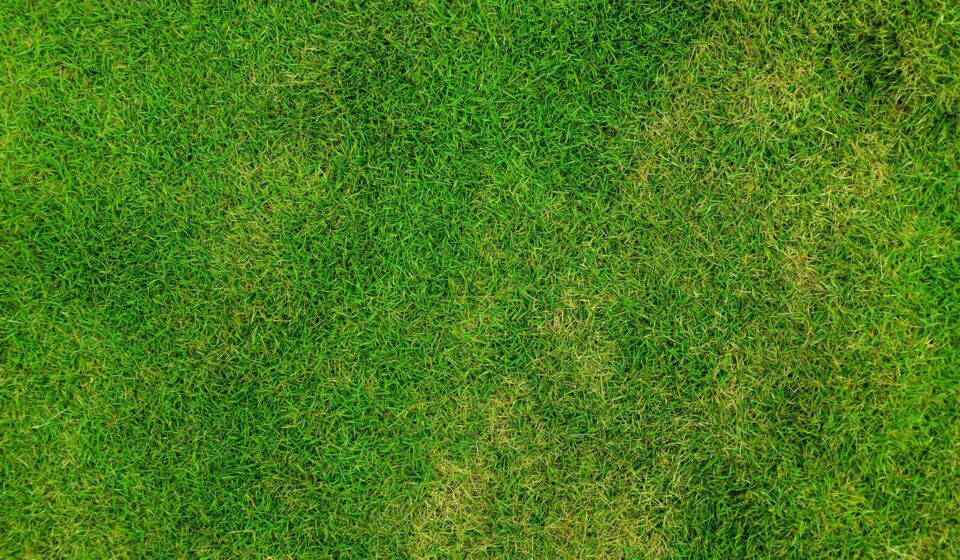
Start spring lawn care with inspection, not impulse work
The most useful lawn maintenance tips for spring start with restraint. A warm weekend does not mean every product and machine should go onto the lawn at once. Spring turf may still be recovering from winter stress, temperature swings, compacted soil, deicing salt exposure in some regions, and early weed pressure. The right work depends on grass type, soil moisture, local weather, and whether the lawn is actively growing.
A sound spring plan begins with a walk-through. Inspect the turf, clean up gently, restart mowing at the correct height, test the soil before heavy fertilizing, time weed prevention before problem weeds germinate, and prepare mowers, spreaders, trimmers, and irrigation parts before peak use. University extension turf programs and the U.S. EPA WaterSense program generally point in the same direction: time work to turf growth, measure inputs, and use water efficiently instead of relying on aggressive early-season treatment.
For more seasonal property and equipment care topics, visit the site’s maintenance tips section.
Know which grass you are managing
Spring lawn advice changes because cool-season and warm-season grasses grow on different schedules. Treating them the same can weaken roots, waste fertilizer, and reduce the effectiveness of weed control.
Cool-season lawns
Cool-season grasses such as tall fescue, Kentucky bluegrass, perennial ryegrass, and fine fescues grow most actively in the cooler weather of spring and fall. Spring can help these lawns recover, but many extension programs caution that fall is often the better season for major nitrogen feeding and renovation. In spring, the aim is steady recovery, not forced top growth that may struggle when summer heat arrives.
Warm-season lawns
Warm-season grasses such as bermudagrass, zoysiagrass, centipedegrass, and St. Augustinegrass usually begin spring in dormancy or slow transition. Standard fertilization should normally wait until the grass has greened up and is actively growing. Pushing dormant warm-season turf with early nitrogen can favor weeds and may not benefit the grass if soil temperatures are still low.
| Grass type | Spring growth pattern | Main spring priority |
|---|---|---|
| Cool-season turf | Active growth in cool spring weather | Recover from winter, mow correctly, use modest fertilizer only when needed |
| Warm-season turf | Slow green-up after dormancy | Wait for active growth, prevent summer weeds, avoid early overfeeding |
A practical spring lawn maintenance timeline
Calendar dates are less reliable than turf condition. A northern cool-season lawn and a southern warm-season lawn may be weeks apart in growth stage on the same date. Use this timeline as a decision framework, not a fixed schedule.
| Spring stage | What to check | Useful tasks | What to avoid |
|---|---|---|---|
| Early spring | Soil moisture, winter debris, snow mold patches, bare areas, mower condition | Remove debris lightly, inspect turf, service mower, check irrigation parts, plan soil testing | Heavy raking on wet soil, scalping, early heavy fertilization |
| Mid spring | Active grass growth, weed emergence, soil test results, mowing height | Begin regular mowing, apply preemergent weed control if appropriate, spot-seed only where product timing allows | Applying weed preventer after target weeds have already emerged |
| Late spring | Heat forecast, irrigation uniformity, compaction, traffic damage | Adjust watering, maintain mowing height, apply fertilizer only according to grass type and need | Short mowing before heat, watering shallowly every day, fertilizing before storms |
Mowing and cleanup decisions that affect root health
Mowing is one of the highest-impact spring practices because it happens repeatedly. A mower set too low removes too much leaf tissue, reduces photosynthesis, exposes soil to weed germination, and stresses the plant before summer. Dull blades tear grass instead of cutting it cleanly, leaving ragged tips that dry out faster and can make the lawn look gray or brown after mowing.
Clean winter debris without scalping
Remove sticks, matted leaves, gravel, and other debris before mowing. If the lawn is wet enough that footprints remain or soil pulls up under your shoes, wait. Heavy raking or machine traffic on saturated soil can worsen compaction and tear crowns or runners. In early spring, a light leaf rake or blower is usually safer than aggressive dethatching.
Set mowing height and follow the one-third rule
As grass resumes growth, mow often enough that no more than about one-third of the blade is removed at a time. Exact height depends on species, but many home lawns perform better when kept moderately high rather than shaved short. Taller leaf area helps shade soil, supports deeper roots, and reduces some weed pressure. If the lawn grows too tall after rain, lower it gradually over two or more mowings instead of cutting it down at once.
Sharpen blades and check mower basics
Spring is also equipment maintenance season. Sharpen or replace mower blades, inspect belts and fasteners, clean the deck, check wheel height adjustment, and confirm safety shields are in place. For gasoline mowers, inspect oil, fuel, filters, spark plugs, and cables according to the equipment manual. For battery equipment, inspect terminals, chargers, housings, and runtime before the first heavy mowing week. A well-maintained machine gives a cleaner cut and reduces unnecessary strain on motors, engines, bearings, and operators.
Fertilizer, soil testing and weed prevention
Fertilizer and herbicide decisions are where many spring lawns are overmanaged. The goal is not to apply every product on the shelf. The goal is to apply the right input, at the right rate, when the lawn can use it.
Use a soil test before changing the nutrient program
A soil test is the most reliable way to understand pH and nutrient needs. Without it, fertilizer selection is guesswork. If phosphorus or potassium is already sufficient, adding more may not improve turf and can increase environmental risk if nutrients move off-site. Soil testing is especially useful for lawns with chronic thin growth, moss, repeated disease issues, or uneven color that does not respond to normal care.
For many established lawns, nitrogen is the nutrient most often managed annually, but timing and amount should be based on turf species, local rules, soil condition, and growth stage. Some states and municipalities restrict fertilizer dates, phosphorus use, or applications near waterways, so local requirements should be checked before spreading any product.
Time nitrogen to grass growth
Cool-season turf may benefit from light spring feeding if color and density are poor, but heavy early nitrogen can push leaf growth at the expense of roots. Warm-season turf should usually wait until it has broken dormancy and is actively growing. In both cases, avoid fertilizing frozen ground, saturated soil, or just before heavy rainfall. Calibrate the spreader, measure the lawn area, and follow the product label so the intended rate is actually delivered. See also: buying guides.
Apply preemergent weed control before target weeds emerge
Crabgrass prevention is one of the most time-sensitive spring tasks. Extension turf guidance commonly uses soil temperature as a cue because crabgrass germination often begins after soil temperatures are around 55°F for several days. Preemergent herbicides are designed to form a barrier before germination, so late application is much less useful against plants that are already growing.
Preemergent timing also affects seeding. Many weed preventers can interfere with desirable grass seed establishment unless the label specifically allows seeding or a compatible product is used. If bare soil is the main problem, overseeding may be more important than applying a standard preemergent. In that case, choose a product and schedule that match the renovation goal.
Watering and irrigation checks for spring
Spring watering should respond to rainfall, soil moisture, and turf growth rather than a fixed automatic schedule. The EPA WaterSense program notes that outdoor water can be wasted through evaporation, wind drift, runoff, and overapplication. That makes spring a good time to inspect the irrigation system before hot weather increases demand.
Run each irrigation zone briefly and look for broken heads, clogged nozzles, misting caused by high pressure, overspray onto pavement, sunken heads, and uneven coverage. Check hose washers, quick couplers, timers, valves, and filters. A small mechanical fault can waste water for weeks if it is hidden by an automatic schedule.
When irrigation is needed, deep and infrequent watering usually supports stronger roots better than light daily sprinkling. Early morning is commonly preferred because wind and evaporation are often lower than during the heat of the day, and the grass can dry after watering. Many turf programs use about 1 inch of water per week, including rainfall, as a starting point during active growth, but soil texture, rainfall, slope, shade, and grass type can change that target.
Equipment preparation and safe operation
Spring lawn maintenance depends on tools that cut, move, meter, spray, or irrigate accurately. Before the busy season, inspect each machine as a system rather than as a single component.
- Mowers: Confirm blade sharpness, deck cleanliness, wheel height, guards, engine oil or battery condition, fasteners, cables, and drive function.
- Spreaders: Clean residue from last season, test the gate, verify calibration, and avoid using a corroded or sticking mechanism that can create stripes or burned turf.
- String trimmers and edgers: Inspect guards, line heads, shafts, handles, power cords, batteries, and fuel lines before use.
- Sprayers: Check seals, nozzles, pressure, labels, and dedicated use. Do not use the same tank for incompatible chemicals unless it has been cleaned correctly.
- Irrigation components: Inspect controllers, rain sensors, valves, heads, filters, hoses, and fittings before setting a seasonal program.
Safety matters as much as turf quality. Clear stones and debris before mowing, keep bystanders away, wear eye and hearing protection where appropriate, and disconnect spark plugs or batteries before blade service. For any chemical product, the label is the controlling instruction for rate, protective equipment, application conditions, storage, and disposal.
Common spring lawn mistakes to avoid
- Doing every task on one weekend: Fertilizing, seeding, weed control, dethatching, and heavy mowing can conflict when done together.
- Working wet soil: Heavy traffic on saturated ground can compact soil and damage crowns, roots, or stolons.
- Scalping to make the lawn look clean: Short mowing weakens turf and can expose soil to sunlight, which helps some weeds establish.
- Fertilizing by habit instead of need: Soil testing and grass type should guide spring feeding.
- Ignoring equipment calibration: An uncalibrated spreader or sprayer can overapply in some areas and underapply in others.
- Watering automatically after rain: Spring rainfall often supplies enough moisture, so irrigation schedules should be adjusted regularly.
Frequently asked questions
What should be the first lawn maintenance task in spring?
Start with inspection. Walk the lawn when the soil is firm enough and look for debris, bare spots, drainage issues, weeds, winter injury, and equipment needs. This prevents unnecessary treatments and helps you match tasks to actual conditions.
Should I fertilize my lawn as soon as it turns green?
Not always. Cool-season lawns may need only light spring feeding, especially if they were fertilized well in fall. Warm-season lawns should generally wait until active green-up. Soil test results, local fertilizer rules, and grass type should guide the decision.
Can I seed and apply crabgrass preventer at the same time?
Often, no. Many preemergent products can stop desirable grass seed from establishing. If you need both weed prevention and seeding, read the label carefully and choose a compatible product or separate the tasks by the recommended interval.
How often should I mow in spring?
Mow based on growth rate, not a fixed day of the week. During active spring growth, some lawns may need frequent mowing. Follow the one-third rule and avoid cutting wet grass when possible.
Is spring aeration always necessary?
No. Aeration is useful for compacted soil, heavy traffic areas, or poor infiltration, but it is not required for every lawn every spring. Timing also depends on grass type. Major renovation practices should match the season when that turf can recover quickly.